
- Release Year: 2018
- Platforms: Windows
- Publisher: Emir Games
- Genre: Role-playing (RPG), Strategy, Tactics
- Perspective: Diagonal-down
- Game Mode: Single-player
- Setting: Post-apocalyptic
- Average Score: 72/100
Description
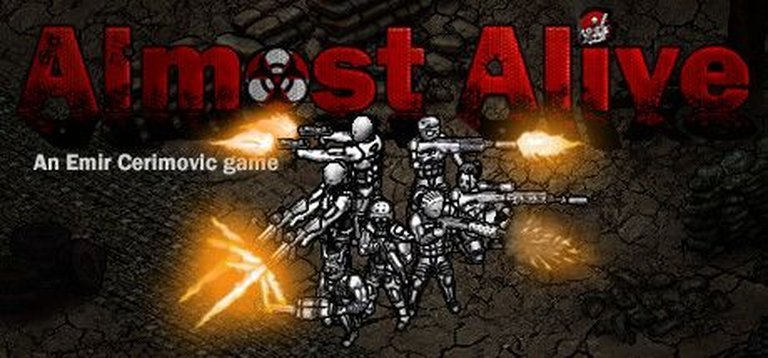
Almost Alive is a tactical role-playing game set in a mad post-apocalyptic world where players navigate a nuclear-ravaged landscape filled with mutations and mysteries. Combining real-time combat with deep RPG mechanics, the game challenges players to forge their character’s physical and mental abilities while recovering memories through vengeance. With versatile gameplay approaches—ranging from stealth and diplomacy to all-out combat—and a unique sanity system that affects both story and skills, players must survive in a dynamic world teeming with dangerous foes, complex choices, and hand-drawn 2.5D visuals.
Gameplay Videos
Where to Buy Almost Alive
Almost Alive Cracks & Fixes
Almost Alive Patches & Updates
Almost Alive Mods
Almost Alive Guides & Walkthroughs
Almost Alive Reviews & Reception
steambase.io (74/100): A triumphant return to form for the series.
store.steampowered.com (70/100): A triumphant return to form for the series.
Almost Alive: Review
Introduction
In the vast wasteland of post-apocalyptic RPGs, Almost Alive (2018) stands as a monument to both raw ambition and the Sisyphean struggle of solo development. Conceived by French artist-programmer Emir Cerimovic through eight years of sleepless nights, this hand-drawn tactical RPG channels the spirit of Fallout and Jagged Alliance 2 while introducing novel psychological mechanics. Though shackled by its unfinished Early Access state and the weight of its own scope, the game remains a fascinating study of creativity unfiltered by corporate compromise—a flawed but mesmerizing artifact of one developer’s uncompromising vision for “the perfect tactical role-playing game.”
Development History & Context
A Solo Odyssey in the Era of Indie Boom
Cerimovic founded Emir Games as a vessel for Almost Alive, driven by dissatisfaction with the declining complexity of AAA titles. Inspired by 90s RPGs (Fallout, Wasteland) and tactical gems (Jagged Alliance 2), he taught himself coding via Unity while hand-drawing every animation frame on paper. The game’s 2018 Early Access launch coincided with a resurgence of hardcore CRPGs (Divinity: Original Sin 2, Pillars of Eternity), yet Almost Alive stood apart with its real-time combat hybrid and overtly “mad” aesthetic.
Technological Constraints and Artistic Triumphs
Limited to a shoestring budget, Cerimovic prioritized a 2.5D hand-drawn style—a deliberate rejection of 3D trends he deemed “insipid and quickly outdated.” Scanned pencil sketches were digitally colored, granting the world a visceral, comic-book grit reminiscent of Darkest Dungeon. However, Unity’s limitations strained the game’s promised “open, dynamic world” and advanced squad AI, leaving systems like vehicular combat and multiplayer in perpetual limbo.
Narrative & Thematic Deep Dive
A Descent into Nuclear Madness
Set after a capitalist-engineered bioweapon mutates humanity, Almost Alive follows amnesiac survivors navigating factions like raider clans and sentient mutants. The plot unravels via text-heavy dialogues dripping with gallows humor (“Help, manipulate, betray allies… or harvest wasteland orphans for organs”). Quest design echoes Fallout’s branching morality, where aiding one faction might doom another—but with a twist: every choice chips at your Sanity Meter.
Madness as Mechanic and Metaphor
The game’s defining innovation lies in its 98 Traits and insanity system. Characters exposed to trauma or drug abuse gain debuffs like Paranoia (randomly attacking allies) or Megalomania (compulsively insulting NPCs). Full psychosis triggers suicidal actions, locking players out of diplomacy. This systems-driven approach to mental decay elevates Almost Alive beyond mere shock value, framing survival as a battle against both mutants and one’s crumbling psyche.
Gameplay Mechanics & Systems
Real-Time Tactics with RPG Depths
Combat merges Diablo’s frenetic pacing with XCOM’s tactical nuance. Players exploit destructible cover, set traps, and manage weapon attributes like recoil and reload speed—all calculated in real-time based on character stats. Each of the 6 archetypes (e.g., Sniper, Shadow) branches into 115 skills, enabling builds like a stealthy Commando dual-wielding silenced pistols or a Tank berserker shrugging off minigun fire.
The Weight of Unfinished Dreams
While the Early Access build featured three maps (5–10 hours of content), promised pillars—mutant hordes, epic boss fights, and dynamic world events—never materialized. UI issues plagued inventory management, and the absence of female character models (due to resource constraints) drew criticism. Yet, the madness system and non-linear questing shone through, rewarding replayability via drastically altered story paths.
World-Building, Art & Sound
A Hand-Crafted Apocalypse
Cerimovic’s analog art style—gritty, exaggerated, and drenched in radioactive greens—evokes underground comix like Heavy Metal. Landscapes morph from crumbling urban sprawls to mutated forests, all visualized through a fixed diagonal-down perspective. While sparse in animation frames, the aesthetic resonated; one player praised it as “an interactive comic book [that] lets imagination fill the gaps.”
Sound Design: A Sparse Wasteland
Composer Chris Pickering’s ambient soundtrack blends dissonant synths with industrial clangs, amplifying the desolation. Yet, limited voice acting (only the intro/trailer) and repetitive gunfire SFX underscored the project’s budgetary confines, leaving the world feeling eerily hollow.
Reception & Legacy
Early Accolades and the Crush of Expectation
Launching with “Mostly Positive” Steam reviews (70% of 197 ratings), critics lauded its ambition. “The Perk Tree is innovative… the conversational possibilities are Fallout-tier,” noted one German reviewer. However, updates stalled post-2018, spawning forum pleas like “Is this game dead?” (Steam, 2025). Cerimovic cited funding shortfalls for shelving console ports and squad AI, redirecting efforts to a “beta” build for Patreon backers.
A Cult Blueprint for Indie Ambition
Though commercially stillborn, Almost Alive influenced indie tactics hybrids like Battle Brothers and Wasteland 3, proving demand for real-time RPG combat. Its madness mechanics presaged psychological survival in Darkwood and Hellblade, while its art style remains a masterclass in limited-resource expression.
Conclusion
Almost Alive is a poignant contradiction—a game that almost delivered on its gargantuan promises. Cerimovic’s devotion birthed a world oozing personality and systemic brilliance, hamstrung by the reality of solo development. For RPG historians, it’s a compelling relic: a vision of what might’ve been if scope aligned with resource. For players, it remains a jagged diamond—best appreciated by those tolerant of Early Access purgatory. In the annals of indie tragedy, it echoes like its own insanity mechanic: beautiful, broken, and unforgettable.
Final Verdict: A flawed masterpiece for post-apocalyptic connoisseurs; a cautionary tale for developers. Almost Alive deserves recognition—not as a polished gem, but as a raw, pulsating heart of what indie RPGs can dare to be.