
- Release Year: 2023
- Platforms: PlayStation 5, Windows, Xbox Series
- Publisher: THQ Nordic GmbH
- Developer: Pieces Interactive AB
- Genre: Adventure
- Perspective: 3rd-person (Other)
- Game Mode: Single-player
- Gameplay: Puzzle elements
- Setting: North America
- Average Score: 59/100
Description
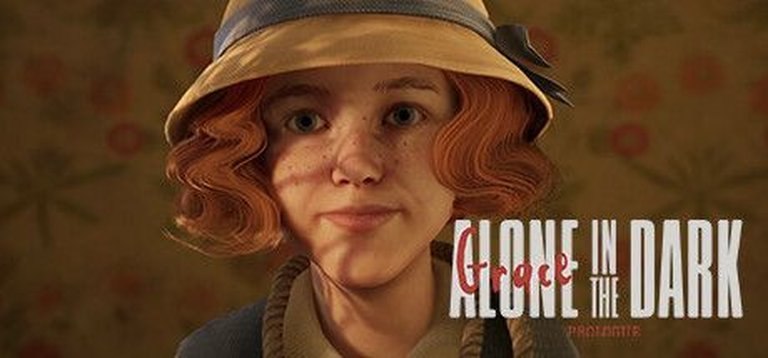
Alone in the Dark: Prologue (also known as Grace in the Dark) is a free-to-play teaser chapter preceding the 2024 reboot of the Alone in the Dark series. Players assume the role of Grace Saunders, an 11-year-old girl tasked with helping paranoid resident Jeremy Hartwood send a cryptic letter from the unsettling Derceto Manor—a decaying, supernatural-infested hotel in the American South. This short 20-minute experience introduces third-person exploration, puzzle-solving, and psychological horror elements as the manor warps around Grace, culminating in a terrifying creature encounter.
Alone in the Dark: Prologue Cracks & Fixes
Alone in the Dark: Prologue Guides & Walkthroughs
Alone in the Dark: Prologue Reviews & Reception
steambase.io (76/100): Alone in the Dark Prologue has earned a Steambase Player Score of 76 / 100. This score is calculated from 1,620 total reviews on Steam — giving it a rating of Mostly Positive.
metacritic.com (63/100): Those looking for a third-person action shooter may lose patience with Alone in the Dark. However, those looking for a traditional survival horror experience, one with its PS1 roots still slightly visible, might be reminded why they fell in love with the genre to begin with.
gamespot.com (40/100): “This isn’t Alone in the Dark’s first revival attempt, and it’s probably not its last, but it isn’t the one that will put the series’ name in the same breath as the all-time greats it originally helped inspire,” Mark Delaney wrote in GameSpot’s Alone in the Dark review.
pcgamer.com : Unsettling and narratively ambitious, this is the best Alone in the Dark game since 1992.
Alone in the Dark: Prologue: Review
In the pantheon of survival horror, few titles hold as much historical significance as the original Alone in the Dark. Released in 1992, it laid the groundwork for a genre that would captivate gamers for decades. Fast forward to 2023, and we find ourselves on the cusp of a new era with Alone in the Dark: Prologue, a teaser for the upcoming reboot. This prologue, developed by Pieces Interactive and published by THQ Nordic, serves as a tantalizing appetizer for what promises to be a hearty meal of cosmic horror and atmospheric storytelling. But does it live up to the legacy of its predecessor? Let’s dive in and find out.
Development History & Context
The development of Alone in the Dark: Prologue is a story of resurrection and reinvention. After a tumultuous history that saw the franchise pass through multiple hands, THQ Nordic acquired the rights in 2018. The studio tasked with bringing the series back to life is Pieces Interactive, known for their work on Magicka 2. The team was inspired by the success of modern survival horror remakes, particularly Resident Evil 2 and Resident Evil 3, and sought to blend the best of old and new.
The technological constraints of the era in which the original Alone in the Dark was released are a far cry from today’s capabilities. The 1992 game was a pioneer in 3D graphics and interactive storytelling, but it was also limited by the hardware of the time. The prologue, however, benefits from the Unreal Engine 4, allowing for a level of detail and immersion that was previously unimaginable. This technological leap is evident in the game’s visuals, sound design, and overall polish.
The gaming landscape in 2023 is vastly different from that of 1992. Survival horror has evolved, with titles like Resident Evil and Silent Hill setting new standards for the genre. Alone in the Dark: Prologue aims to carve out its own niche in this crowded field by staying true to its roots while incorporating modern gameplay mechanics and storytelling techniques.
Narrative & Thematic Deep Dive
The narrative of Alone in the Dark: Prologue is a masterclass in atmospheric storytelling. Set in Derceto Manor, a home for the mentally fatigued, the game follows 11-year-old Grace Saunders as she helps Jeremy Hartwood send a letter to his niece. What starts as a simple task quickly spirals into a nightmare as the manor transforms into a labyrinth of horror.
The plot is a clever homage to the original game, with nods to the first Alone in the Dark and its sequel, Alone in the Dark 2. Grace’s journey is fraught with danger, as she encounters strange residents, portals to nightmarish worlds, and dangerous monsters. The letter she carries becomes a MacGuffin, driving the narrative forward and setting the stage for the full game.
The characters in Alone in the Dark: Prologue are well-crafted, each with their own unique quirks and backstories. Grace, the protagonist, is a relatable and sympathetic figure, her innocence contrasting sharply with the horrors she encounters. Jeremy Hartwood, the man she helps, is a complex figure, his paranoia and fear adding depth to the story. The dialogue is natural and engaging, with a touch of humor that lightens the mood without detracting from the horror.
The themes of Alone in the Dark: Prologue are as rich and layered as the narrative itself. The game explores the nature of madness, the blurred line between reality and illusion, and the power of the unknown to terrify. The setting, a decaying mansion in the American South, is a character unto itself, its crumbling walls and hidden secrets reflecting the mental state of its inhabitants.
Gameplay Mechanics & Systems
Alone in the Dark: Prologue is a third-person adventure game, with a focus on exploration, puzzle-solving, and survival. The gameplay mechanics are a blend of old and new, with a nod to the original game’s fixed-camera angles and a modern over-the-shoulder perspective.
The core gameplay loop involves navigating the manor, solving puzzles, and avoiding or fighting monsters. The puzzles are well-designed, requiring a mix of observation, logic, and creativity to solve. The combat, while present, is not the focus of the game. Instead, the emphasis is on stealth and evasion, with the player encouraged to use the environment to their advantage.
The user interface is minimalist and non-intrusive, with information displayed in a way that doesn’t break immersion. The controls are responsive and intuitive, with support for gamepads, keyboards, and mice. The game also features a variety of collectibles, including notes and hidden items, that add depth to the story and world-building.
One of the most innovative systems in Alone in the Dark: Prologue is the manor’s ability to transform. As Grace explores, the environment changes around her, with rooms shifting, new paths opening, and old ones closing. This dynamic world design keeps the game fresh and unpredictable, encouraging multiple playthroughs.
World-Building, Art & Sound
The world-building in Alone in the Dark: Prologue is exceptional. Derceto Manor is a character in its own right, its history and secrets woven into the fabric of the game. The setting is a blend of the familiar and the surreal, with the mundane juxtaposed against the bizarre. This contrast creates a sense of unease, as the player is never quite sure what to expect.
The art direction is a love letter to the original game, with a modern twist. The visuals are stunning, with a level of detail that brings the world to life. The color palette is muted, with a focus on earthy tones that enhance the game’s atmosphere. The character designs are equally impressive, with a mix of realism and stylization that fits the game’s tone.
The sound design is a standout feature of Alone in the Dark: Prologue. The soundtrack, composed by Jason Köhnen, is a haunting blend of jazz and electronic music that sets the mood perfectly. The sound effects are immersive, with every creak, groan, and whisper adding to the game’s atmosphere. The voice acting is top-notch, with performances that bring the characters to life.
Reception & Legacy
The reception of Alone in the Dark: Prologue has been mixed. Critics have praised the game’s atmosphere, storytelling, and visuals, but have criticized its short length and lack of combat. The prologue has a player score of 76 out of 100 on Steam, with a rating of “Mostly Positive.” The game’s legacy, however, is yet to be determined. As a teaser for the full game, it has generated interest and anticipation, but whether it will live up to the legacy of the original remains to be seen.
The influence of Alone in the Dark: Prologue on subsequent games and the industry as a whole is still unfolding. However, it is clear that the game has set a high bar for atmospheric storytelling and world-building in the survival horror genre. Its blend of old and new, its respect for the original while pushing the genre forward, is a testament to the developers’ vision and skill.
Conclusion
Alone in the Dark: Prologue is a promising start to what could be a landmark in the survival horror genre. It respects the legacy of the original while pushing the genre forward, blending old and new in a way that feels fresh and exciting. The game’s atmosphere, storytelling, and world-building are exceptional, creating a world that is both familiar and surreal. While it has its flaws, particularly in its short length and lack of combat, it is a testament to the developers’ vision and skill. As we await the full game, Alone in the Dark: Prologue stands as a beacon of what survival horror can be. It is a love letter to the genre, a tribute to the original, and a promise of what is to come.