
- Release Year: 2017
- Platforms: Macintosh, Windows
- Publisher: Octo Studio
- Developer: Octo Studio
- Genre: Action
- Perspective: Side view
- Game Mode: Single-player
- Gameplay: Platform, Puzzle elements, Shooter
- Setting: Fantasy, Futuristic, Sci-fi
- Average Score: 81/100
Description
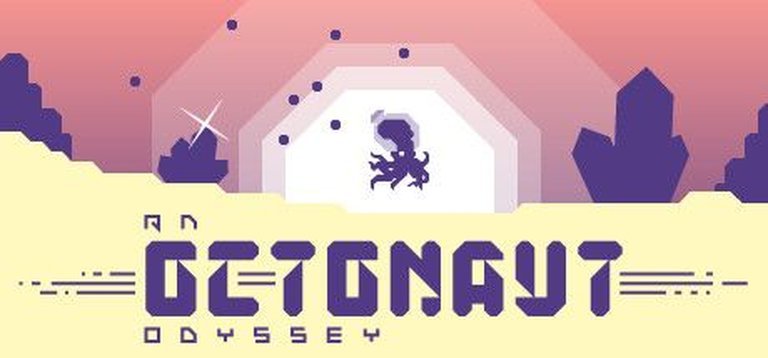
An Octonaut Odyssey is a 2D platform game that blends exploration, logic, and puzzle elements in a vibrant sci-fi setting. Players take on the role of Octo, an amnesiac octopus scientist, as he navigates wild, algorithmically generated planets filled with evolving flora and fauna. With the help of scattered Octobots—his loyal robotic companions—Octo must recover his lost memories, overcome traps, and repair his crashed spaceship to uncover the mysteries of his mission and the strange universe around him.
Gameplay Videos
Where to Buy An Octonaut Odyssey
PC
An Octonaut Odyssey Guides & Walkthroughs
An Octonaut Odyssey Reviews & Reception
steambase.io (82/100): An Octonaut Odyssey has earned a Player Score of 82 / 100.
store.steampowered.com (81/100): All Reviews: Positive (81% of 11 user reviews for this game are positive).
indiegamereviewer.com (80/100): Short but sweet, An Octonaut Odyssey solidly puts a creative and challenging spin on the side-scrolling platformer.
idownload.it.com (82/100): Very Positive (82% Positive).
An Octonaut Odyssey Cheats & Codes
Macintosh
Enter commands in the game.
| Code | Effect |
|---|---|
| Glow | Makes certain objects glow for easier visibility |
| Teleport | Instantly moves the player from one area to another |
| Time Warp | Allows the player to travel back in time |
| Jump | Bypasses certain obstacles by jumping over them |
| Invisibility | Makes the player invisible to avoid detection |
| Freeze | Temporarily freezes objects or characters |
| Life Support | Restores the player’s health |
| Super Strength | Increases the player’s strength |
An Octonaut Odyssey: A Psychedelic Platformer’s Journey Through Memory and Space
Introduction: The Forgotten Voyage of an Eight-Armed Explorer
Few games dare to blend the surreal with the mechanical, the whimsical with the methodical, as seamlessly as An Octonaut Odyssey. Released in 2017 by the French indie collective Octo Studio, this 2D platformer is a love letter to retro exploration, procedural generation, and the existential dread of amnesia—all wrapped in a vibrant, psychedelic bow. At its core, An Octonaut Odyssey is a game about rediscovery: not just of lost abilities, but of identity, purpose, and the very fabric of the universe its protagonist inhabits.
The premise is deceptively simple: you play as Octo, an elderly octopus scientist who crashes on an alien planet and loses his memory. His loyal Octobots—mechanical extensions of his body—are scattered across the cosmos, and without them, he’s reduced to a helpless, tentacle-flailing shell of his former self. The game’s genius lies in how it mirrors the player’s journey with Octo’s: both begin powerless, gradually unlocking abilities that reshape their understanding of the world. What starts as a humble platformer evolves into a sprawling, non-linear odyssey through procedurally generated planets, each teeming with bizarre flora, fauna, and characters that feel plucked from a fever dream.
An Octonaut Odyssey is a game that defies easy categorization. It’s a platformer, yes, but also a puzzle game, a Metroidvania-lite, and an atmospheric exploration title. Its influences are as varied as its visuals—Metroid, Cave Story, and Another World all leave their mark, but the game’s psychedelic aesthetic and procedural generation set it apart. With a price tag of just $0.99, it’s a steal, but its true value lies in its ambition: a student project turned passion piece, built from the ground up using the SFML library, where every line of code, every pixel, and every note of music was crafted by a small team of enthusiasts.
This review will dissect An Octonaut Odyssey in exhaustive detail, exploring its development history, narrative depth, gameplay mechanics, artistic vision, and legacy. By the end, you’ll understand why this overlooked gem deserves a place in the pantheon of indie platformers—and why its journey is as much about the developers’ odyssey as it is about Octo’s.
Development History & Context: From Student Project to Cosmic Masterpiece
The Birth of Octo Studio: A Labor of Love
An Octonaut Odyssey began life as a modest student project at 42, the renowned French coding school known for its rigorous, project-based curriculum. The team—comprising François Corbel (developer/game designer), Julien Balestrieri (developer), Iohann Rabesson (developer), Guillaume Lasset (developer), Lucien Coycault (graphic designer), Fabien You (music/sound designer), Jeff Guerin (music), and Pierre Glory (sound designer)—initially set out to create a simple 2D platformer. However, as the project progressed, it ballooned into something far more ambitious.
What makes An Octonaut Odyssey remarkable is its technical foundation. Unlike most indie games, which rely on engines like Unity or GameMaker, Octo Studio built their game from scratch in C++, using only the SFML (Simple and Fast Multimedia Library) as their foundation. This meant crafting their own physics engine, animation system, sound design tools, and even procedural generation algorithms. The decision to eschew pre-existing engines was both a creative and technical challenge, but it allowed the team unprecedented control over the game’s mechanics and aesthetics.
Procedural Generation: The Soul of the Odyssey
One of the game’s defining features is its procedurally generated planets. Rather than handcrafting every level, the team developed mathematical algorithms to generate terrain, flora, and fauna dynamically. This approach ensured that each planet felt unique and alive, with ecosystems that evolved as the player progressed. The result is a game where exploration feels genuinely unpredictable—no two playthroughs are exactly alike.
This procedural generation extends beyond mere level design. The game’s visual and auditory identity is also algorithmically influenced, creating a sense of organic chaos. The developers described their vision as a “living, evolutive universe”, where the environment reacts to Octo’s presence in subtle ways. This ambition is rare in indie platformers, which often prioritize tight, handcrafted design over procedural experimentation.
The Indie Landscape of 2017: A Crowded Cosmos
An Octonaut Odyssey launched on March 3, 2017, a time when the indie scene was flooded with Metroidvanias, roguelikes, and narrative-driven platformers. Games like Hollow Knight, Axiom Verge, and Ori and the Blind Forest dominated the conversation, making it difficult for smaller titles to stand out. Despite this, An Octonaut Odyssey carved a niche for itself through its distinctive art style, low price point, and sheer weirdness.
The game’s Steam release was met with modest success, garnering an 81% positive rating from 11 user reviews (as of 2026). While it never achieved mainstream recognition, it developed a cult following among players who appreciated its psychedelic charm, challenging gameplay, and handcrafted feel. Its selection at Stunfest (France), Indigo (Netherlands), and Indie Fest (Japan) further cemented its reputation as a hidden gem.
Technological Constraints and Creative Workarounds
Developing a game from scratch in C++ with SFML presented numerous challenges. The team had to optimize performance to ensure smooth gameplay, particularly given the procedural generation’s demand on system resources. The game’s minimalist system requirements (just 4MB of RAM and 120MB of storage) are a testament to their efficiency, though some players reported minor glitches and control quirks, likely due to the engine’s bespoke nature.
The decision to avoid Unity or GameMaker also meant that modding and community content were limited. Unlike games built on more accessible engines, An Octonaut Odyssey lacks a robust modding scene, though its Steam Workshop integration allows for basic community contributions like controller configurations.
Narrative & Thematic Deep Dive: Amnesia, Identity, and the Search for Meaning
The Plot: A Cephalopod’s Existential Crisis
An Octonaut Odyssey opens with Octo, a brilliant but aging octopus scientist, crash-landing on an alien planet after losing control of his spacecraft. The impact wipes his memory, leaving him stranded and powerless. His Octobots—mechanical limbs that grant him superhuman abilities—are scattered across the galaxy, and his ship is in ruins. To survive, Octo must explore the planet, recover his Octobots, and piece together his past.
The narrative unfolds through environmental storytelling, NPC interactions, and cryptic dialogue. Octo encounters a cast of eccentric characters, including:
– A mysterious bartender who offers him hallucinogenic drinks, warping reality.
– Alien creatures that speak in riddles, hinting at the planet’s secrets.
– Fellow explorers who may or may not be figments of his imagination.
The game’s dual endings (a “red pill” and “blue pill” choice, nodding to The Matrix) add a layer of philosophical depth. Depending on the player’s decisions, Octo either regains his memory and escapes or embraces his new reality, suggesting that identity is fluid and memory is unreliable.
Themes: Memory, Aging, and the Illusion of Control
At its heart, An Octonaut Odyssey is a meditation on memory and identity. Octo’s amnesia mirrors the player’s initial helplessness—both must rediscover their capabilities through exploration. The game’s procedural generation reinforces this theme, as the world itself feels unstable and ever-changing, much like Octo’s fractured mind.
The game also explores aging and decline. Octo is no longer in his prime; his tentacles are slow, his movements sluggish. The Octobots serve as prosthetic enhancements, compensating for his physical limitations. This theme resonates with the development team’s own journey—what began as a student project evolved into a passion piece, much like Octo’s quest to reclaim his former glory.
Dialogue and Character Design: Whimsy Meets Existential Dread
The game’s NPCs are a standout feature, blending absurdist humor with existential musings. The bartender, in particular, is a recurring figure who forces Octo to drink, distorting the world into a kaleidoscopic nightmare. These sequences are visually stunning but also mechanically challenging, as the player must navigate platforms while reality bends around them.
The dialogue is minimalist yet evocative, often leaving more questions than answers. Characters speak in poetic fragments, hinting at deeper lore without ever fully explaining the planet’s origins or Octo’s mission. This ambiguity enhances the game’s dreamlike quality, making the player feel as disoriented as Octo.
Gameplay Mechanics & Systems: A Platformer That Evolves With You
Core Gameplay Loop: Exploration and Ability Gating
An Octonaut Odyssey is a Metroidvania-lite, where progression is tied to acquiring new Octobots. Each bot grants Octo a unique ability, such as:
– Jumping (initially, Octo can only crawl and terraform soil).
– Double-jumping (for greater verticality).
– Swimming (to navigate underwater sections).
– Gliding (to traverse wide gaps).
– Levitation (to manipulate objects and solve puzzles).
The game’s non-linear structure encourages exploration, though it remains linear until post-game, where players can revisit planets to uncover secrets. The save system is generous, with frequent checkpoints ensuring that death never feels punishing.
Combat and Platforming: Precision Over Power
Unlike traditional platformers, An Octonaut Odyssey lacks traditional combat. Instead, the challenge comes from precision platforming and environmental hazards. Players must:
– Navigate treacherous terrain (spikes, bottomless pits, shifting platforms).
– Solve physics-based puzzles (using Octobots to manipulate the environment).
– Avoid or outmaneuver enemies (most foes are obstacles rather than combatants).
The controls are intentionally sluggish, reflecting Octo’s age and infirmity. This design choice polarized players—some found it immersive and atmospheric, while others criticized it as clunky and frustrating. The game’s Steam Deck compatibility (rated “Playable”) suggests that controller support helps mitigate some of these issues.
Procedural Generation: A Double-Edged Sword
The procedurally generated planets are both the game’s greatest strength and weakness. On one hand, they ensure endless replayability, as no two playthroughs are identical. On the other, they can feel less polished than handcrafted levels, with occasional unfair hazards or confusing layouts.
The algorithmically generated flora and fauna add to the game’s alien charm, but some players reported repetitive enemy placements or unintuitive puzzle designs. Despite these flaws, the procedural approach gives An Octonaut Odyssey a distinct identity in a genre dominated by meticulously designed worlds.
UI and Accessibility: Minimalist but Effective
The game’s UI is sparse, with no HUD clutter. Health, abilities, and objectives are conveyed through subtle visual cues, reinforcing the game’s immersive atmosphere. However, the lack of in-game tutorials can make early progression confusing, particularly for players unfamiliar with Metroidvania mechanics.
World-Building, Art & Sound: A Psychedelic Symphony
Visual Design: A Living, Breathing Dream
An Octonaut Odyssey’s art style is its most striking feature. The game employs a vibrant, pixel-art aesthetic reminiscent of Cave Story and Axiom Verge, but with a psychedelic twist. Planets are awash in neon hues, with pulsing backgrounds, warping geometries, and surreal creature designs.
The procedural generation extends to the visual effects, creating a world that feels alive and reactive. When Octo consumes the bartender’s drink, the screen melts into a kaleidoscope of colors, distorting the player’s perception of space. These sequences are visually breathtaking but also mechanically demanding, as players must navigate platforms while reality shifts around them.
Sound Design: A Jazz-Inspired Odyssey
The game’s soundtrack, composed by Fabien You and Jeff Guerin, is a jazz-infused, ambient masterpiece. Tracks range from soothing, Vangelis-esque synthscapes to frantic, upbeat rhythms that accompany the game’s more chaotic moments. The music dynamically shifts based on Octo’s actions, enhancing the game’s immersive atmosphere.
Sound effects are minimalist but effective, with subtle environmental cues (e.g., the hum of machinery, the rustle of alien foliage) adding depth to the world. The voice acting is sparse, with most dialogue conveyed through text and abstract noises, further emphasizing the game’s dreamlike quality.
Atmosphere: A World on the Edge of Reality
An Octonaut Odyssey excels in creating a sense of place. Each planet feels distinct, with its own ecosystem, hazards, and secrets. The game’s procedural generation ensures that exploration never feels stale, while the handcrafted NPC interactions add narrative weight to the experience.
The bartender’s hallucinogenic sequences are a standout feature, blending gameplay and storytelling in a way few platformers attempt. These moments challenge the player’s perception, making them question what’s real and what’s a figment of Octo’s fractured mind.
Reception & Legacy: A Cult Classic in the Making
Critical and Commercial Reception
An Octonaut Odyssey launched to modest acclaim, with players praising its artistic vision, soundtrack, and unique gameplay while criticizing its clunky controls and occasional glitches. On Steam, it holds an 81% positive rating (as of 2026), with many reviewers highlighting its psychedelic charm and low price point.
Critics, however, were largely silent. Major gaming outlets overlooked the title, likely due to its indie obscurity and lack of marketing. Despite this, the game developed a dedicated fanbase, particularly among players who appreciated its retro aesthetic and experimental design.
Influence and Legacy
While An Octonaut Odyssey never achieved mainstream success, its procedural generation and handcrafted feel influenced later indie titles. Games like Noita and Rain World share its commitment to emergent gameplay and organic world-building, though none have replicated its unique blend of psychedelia and platforming.
The game’s development story—a student project turned passion piece—also serves as inspiration for aspiring indie developers. By building their own engine and embracing procedural generation, Octo Studio proved that ambition and creativity can overcome technical limitations.
The Future of Octo Studio
Since An Octonaut Odyssey’s release, Octo Studio has remained largely quiet, with no major follow-ups announced. However, the game’s cult status suggests that a sequel or spiritual successor could find an audience. Given the team’s technical prowess and artistic vision, any future project would be worth watching.
Conclusion: A Flawed but Unforgettable Journey
An Octonaut Odyssey is not a perfect game. Its clunky controls, occasional glitches, and procedural quirks may frustrate some players. Yet, its ambition, artistry, and sheer weirdness make it unlike anything else in the platformer genre.
At its best, the game is a psychedelic masterpiece, blending exploration, puzzle-solving, and existential storytelling into a cohesive whole. At its worst, it’s a rough-around-the-edges indie experiment, held back by technical limitations. But for $0.99, it’s an absolute steal—a game that rewards patience, curiosity, and a willingness to embrace the unknown.
Final Verdict: 8.5/10 – A Hidden Gem Worth Discovering
An Octonaut Odyssey may not have the polish of Hollow Knight or the narrative depth of Ori, but it carves its own niche in the platformer pantheon. It’s a game about memory, identity, and the search for meaning, wrapped in a vibrant, ever-changing universe. For those willing to embrace its flaws, it offers an unforgettable odyssey—one that lingers in the mind long after the credits roll.
Should You Play It?
– Yes, if you love: Psychedelic visuals, Metroidvania progression, procedural generation, and games that challenge your perception.
– No, if you dislike: Clunky controls, minimalist storytelling, or games that prioritize atmosphere over tight mechanics.
In the end, An Octonaut Odyssey is more than just a game—it’s a testament to indie creativity, a love letter to retro exploration, and a journey worth taking. Just don’t forget to pack your Octobots.