
- Release Year: 2016
- Platforms: Blacknut, Linux, Macintosh, Nintendo Switch, PlayStation 4, Tomahawk F1, Windows, Xbox One
- Publisher: Anima Project, BadLand Games Publishing, S.L., BadLandGames S.L., H2 Interactive Co., Ltd., Linekong Technology, Shanghai Oriental Pearl Suole Culture Development Ltd.
- Developer: Anima Game Studio, BadLand Games Publishing, S.L.
- Genre: Action, Role-playing
- Perspective: Behind view
- Game Mode: Single-player
- Gameplay: Action RPG
- Setting: Fantasy
- Average Score: 82/100
Description
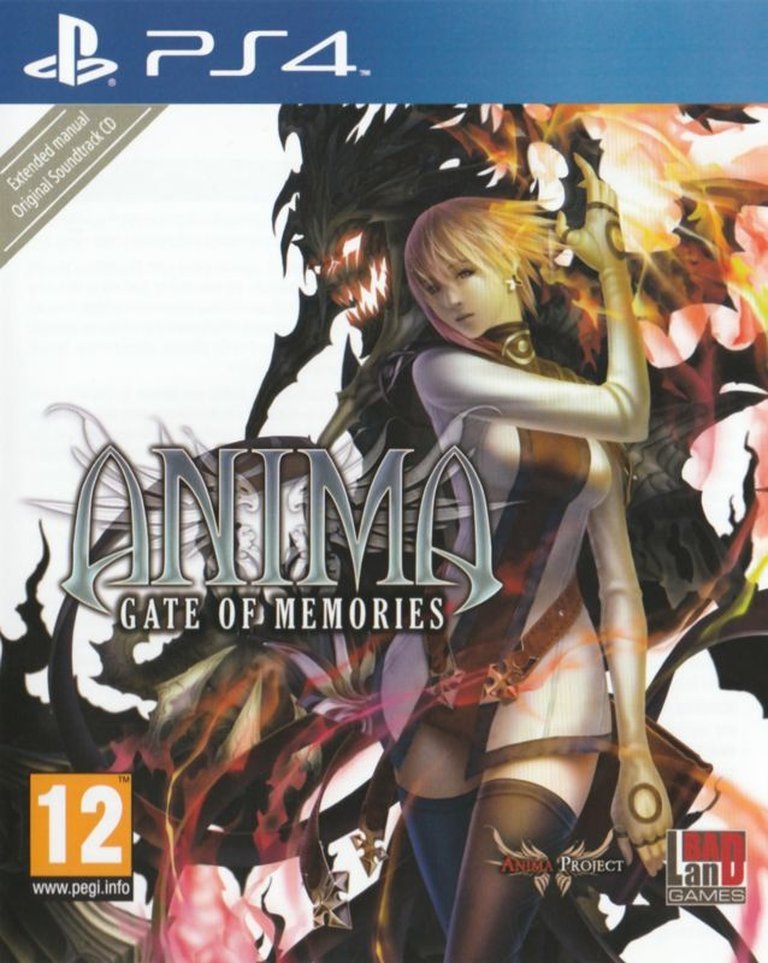
In ‘Anima: Gate of Memories,’ players immerse themselves in a dark fantasy world where two unlikely allies—a tormented human and a powerful demon—share a single body. Bound by fate, they journey through shattered memories and treacherous realms, confronting ancient evils and unraveling a deep narrative of duality and cosmic consequences. Combining fast-paced action RPG combat, dynamic skill customization, and a richly detailed anime-inspired aesthetic, the game explores themes of identity, sacrifice, and the blurred line between light and darkness.
Gameplay Videos
Where to Buy Anima: Gate of Memories
Anima: Gate of Memories Free Download
Anima: Gate of Memories Cracks & Fixes
Anima: Gate of Memories Mods
Anima: Gate of Memories Guides & Walkthroughs
Anima: Gate of Memories Reviews & Reception
metacritic.com (90/100): Anima: Gate of Memories is one of the best Action-RPG you can play on any current gen platform.
web.phenixxgaming.com : The storyline and the world itself tug you along in such a way that even if you go in blind to the world of Anima: Beyond Fantasy, you’ll feel this urge to know more.
rectifygaming.com (75/100): Anima: Gate of Memories is decent, and I did enjoy my time with it overall.
Anima: Gate of Memories: A Fractured Legacy in the Shadows of Ambition
Introduction
In the crowded pantheon of action RPGs, Anima: Gate of Memories (2016) stands as a haunting enigma—a game dripping with ambition yet shackled by its limitations. Developed by Spanish studio Anima Project and rooted in the cult tabletop RPG Anima: Beyond Fantasy, this indie title weaves a dark, labyrinthine tale of identity, sacrifice, and cosmic dread. Its thesis is one of unrealized potential: a game that channels the grandeur of NieR and the combat complexity of Devil May Cry but stumbles under the weight of clunky mechanics and budget constraints. Yet, for all its flaws, Gate of Memories carves a niche as a flawed gem—a testament to the passion of a small team daring to dream big.
Development History & Context
The Studio and Vision
Anima Project, founded by Carlos Blas García, emerged from the ashes of financial struggles. Initially conceived as a Kickstarter project, Gate of Memories aimed to translate the rich lore of Anima: Beyond Fantasy—a Spanish tabletop RPG known for its intricate magic systems and Gothic-meets-anime aesthetic—into an interactive experience. With core development led by García (director, writer, and designer) and a skeleton crew of three primary developers, the project was a labor of love, fueled by García’s desire to “create a world where every choice fractures reality” (MobyGames).
Technological Constraints
Built in Unity, the game faced inherent limitations. The engine’s notorious optimization challenges manifested in inconsistent frame rates, texture pop-in, and a camera that frequently rebelled against the player. Despite this, the team prioritized scale, crafting a semi-open world with branching paths and Metroidvania-inspired backtracking. The 2016 release window pitted it against titans like Dark Souls III and The Witcher 3, rendering its budget-conscious production values starkly evident.
Gaming Landscape
Action RPGs in 2016 saturated the market with polished, narrative-driven experiences. Gate of Memories stood apart by embracing niche audacity: a dual-protagonist system, weighty philosophical themes, and a refusal to handhold players. Yet, its lack of polish—compared to contemporaries—led to a muted launch, overshadowed by indie darlings like Hyper Light Drifter.
Narrative & Thematic Deep Dive
Plot and Characters
The story orbits The Bearer of Calamities, a nameless woman bound to Ergo Mundus, an ancient entity trapped in a grimoire. Their reluctant pact propels them into the Tower of Arcane, a nexus of reality where eldritch Messengers—avatars of chaos—plot the world’s unraveling. The Bearer’s lost identity and Ergo’s sardonic wit anchor a plot steeped in existential dread, reminiscent of NieR’s melancholic fatalism.
Dialogue and Themes
Scripts oscillate between brilliance and bathos. Ergo’s dialogue crackles with dark humor (“You humans cling to hope like drowning rats”), while The Bearer’s stoic delivery often flattens emotional beats. Voice acting, led by Skyler Davenport and John Archer, received mixed notices—praised for Ergo’s charisma but criticized for The Bearer’s woodenness (The Mental Attic).
Thematically, the game explores identity erasure, sacrificial duty, and moral ambiguity. The Bearer’s namelessness—stolen by Ergo as part of their pact—mirrors the player’s role in shaping her fate. Multiple endings hinge on player choices, including sparing or killing key figures, but narrative momentum falters in predictable twists (e.g., a transparently villainous instigator).
Gameplay Mechanics & Systems
Core Combat and Progression
The dual-character system is the game’s crown jewel. Players swap seamlessly between The Bearer (magic-focused) and Ergo (melee-centric), chaining combos mid-fight. Skill trees offer RPG customization, but depth is illusionary: many nodes feel redundant (RPGFan), and late-game bosses demand grinding rather than skill. Combat evokes Bayonetta but lacks fluidity; dodging is imprecise, and enemy attacks—especially projectile spam—frustrate rather than challenge.
Exploration and Pacing
The Tower of Arcane unfolds in interconnected zones, rewarding backtracking with secrets and lore fragments. However, platforming sections suffer from floaty controls and unreliable shadows, turning jumps into leaps of faith. Prisoner-rescue side quests (The Mental Attic) highlight the game’s reliance on padding, forcing players through tediously trapped corridors.
UI and Technical Woes
A minimalist UI belies underlying clunkiness. Menus lag, and the camera—especially in tight spaces—becomes a nemesis. The PC version’s keyboard controls drew ire for unresponsiveness, though gamepad support alleviates some pain (Steam Reviews).
World-Building, Art & Sound
Visual Design
Gate of Memories channels an anime-Gothic fusion, with lavish environments ranging from necromantic libraries to surreal dreamscapes. Character designs, particularly the Messengers (e.g., Malekith’s winged grandeur), ooze creativity. Yet, textures often appear muddy, and animations—especially lip-syncing—feel robotic, undermining dramatic moments.
Atmosphere and Soundtrack
Damian Sanchez and Marc Celma’s soundtrack elevates the experience. Orchestral tracks like “Oh Gaïa” juxtapose haunting choirs with metallic crescendoes, evoking NieR’s emotional cadence. Environmental sound design, however, is sparse; dungeons echo with generic ambience, missing chances to deepen immersion (Bandcamp).
Reception & Legacy
Launch Reception
Critics praised ambition but skewered execution. Metacritic scores ranged from 52 (PS4) to 72 (Xbox One), with outlets like Destructoid (8/10) lauding its “spectacular combos” and depth, while RPGFan (67%) decried “horrendous controls” (Metacritic). Player reviews echoed this divide: Steam users highlighted its “hidden gem” status but lamented jank (Steambase).
Post-Launch Evolution
Despite rocky sales, the game garnered a cult following. Sequels like The Nameless Chronicles (2018) expanded the lore, and the 2025 I & II Remaster refined visuals and QoL features, though critics noted persistent clunkiness (Phenixx Gaming). Its legacy lies in influencing indie RPGs to embrace narrative ambition, proving that even flawed worlds can captivate.
Conclusion
Anima: Gate of Memories is a study in contrasts: a game of soaring ideas anchored by technical limitations. Its dual-character combat, rich lore, and haunting score carve a niche in RPG history, yet clunky controls and uneven storytelling prevent it from greatness. For patient players, it offers a window into a universe worth exploring—a flawed testament to passion over polish. In the annals of cult classics, it whispers rather than roars, but its echoes linger.
Final Verdict:
A 6.5/10—a flawed but fascinating odyssey for lovers of dark fantasy and patient indie exploration. Its ambition outweighs its stumbles, securing a place in the pantheon of “what could have been.”