
- Release Year: 2023
- Platforms: Nintendo Switch, Windows
- Publisher: Firenut Consulting S.L.
- Developer: Yggdraseed
- Genre: Action
- Perspective: Side view
- Game Mode: Single-player
- Gameplay: Platform, Puzzle elements, Shooter
- Setting: Fantasy, Futuristic, Sci-fi
- Average Score: 62/100
Description
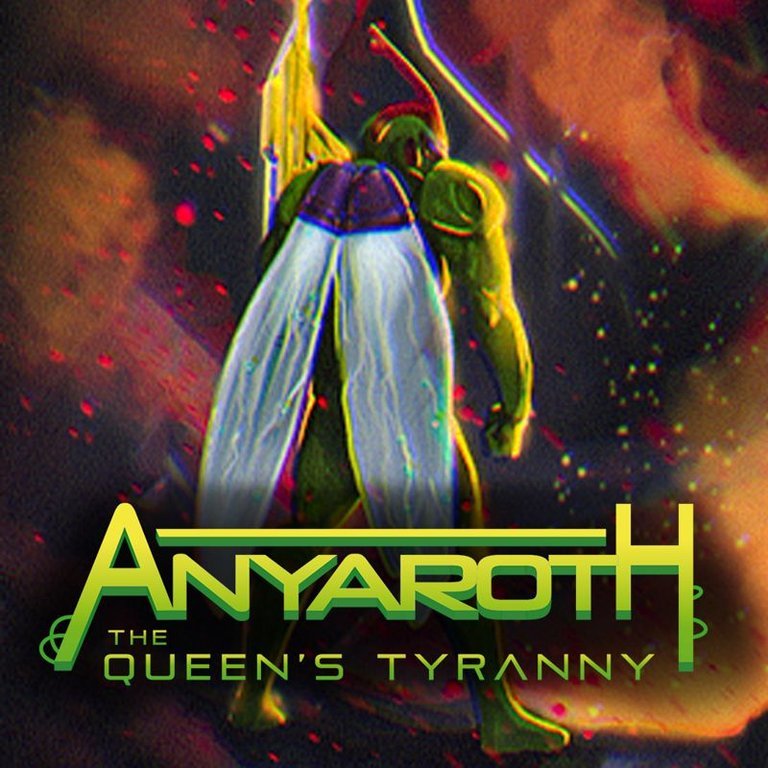
Anyaroth: The Queen’s Tyranny is a 2D side-scrolling action platformer set in a unique blend of fantasy and sci-fi worlds, where players assume the role of a former member of the Queen’s Royal Guard who has joined the Rebellion to overthrow the tyrannical regime. Featuring pixel art visuals and modern controls, the game combines fast-paced platforming, shooting mechanics, and puzzle-solving elements as players navigate through environments inspired by retro aesthetics.
Gameplay Videos
Where to Buy Anyaroth: The Queen’s Tyranny
PC
Anyaroth: The Queen’s Tyranny Patches & Updates
Anyaroth: The Queen’s Tyranny Guides & Walkthroughs
Anyaroth: The Queen’s Tyranny Reviews & Reception
metacritic.com (75/100): A fun action platformer that acknowledges the limits of its nostalgic approach but never pushes past them.
babeltechreviews.com : Anyaroth: The Queen’s Tyranny shines as a delightful homage to retro action platformers.
gamesasylum.com (50/100): If you love hectic, bullet-hellish platforming games with strict and precise controls, then Anyaroth: The Queen’s Tyranny might be right up your ant hole, but it could be worth checking out on Steam rather than on Switch.
vulgarknight.com : Anyaroth: The Queen’s Tyranny is an entertaining pixel art (ish) platformer with decent weapons, a story that pays respect to the golden age of sci-fi, with a somewhat charming yet unusual aesthetic.
Anyaroth: The Queen’s Tyranny: Review
Introduction
In the crowded landscape of indie retro revivals, Anyaroth: The Queen’s Tyranny emerges as a meticulously crafted love letter to 16-bit action-platformers, wrapped in a striking insectoid sci-fi narrative. Developed by Madrid-based studio Yggdraseed and published by European indie advocate Firenut Games, this 2023 release plunges players into a rebellion against a dystopian queen exploiting her dying planet. While it doesn’t reinvent the genre, its fusion of classic mechanics with modern polish—particularly its free-aim combat and vertical world design—carves a distinct niche. This review dissects Anyaroth through its creation, narrative, gameplay, artistry, and legacy, revealing a title that honors its influences while offering a satisfying, if occasionally flawed, traversal experience.
Development History & Context
Yggdraseed Studios, founded in 2019, crafted Anyaroth as their ambitious debut, aiming to channel the challenge and charm of 90s classics like Contra and Mega Man while integrating contemporary sensibilities. The studio’s vision, articulated in pre-release materials, focused on “reviving the golden age of platformers” with a modern twist—evident in the free-aim system and layered level design. Firenut Games, a European publisher known for championing indie talent, amplified this vision, emphasizing accessibility and nostalgia.
Technologically, Anyaroth operates within modest constraints, using pixel art and 2D scrolling to sidestep the resource demands of AAA titles. Its development unfolded during a post-Hollow Knight indie boom, where Metroidvania-lite hybrids thrived on Switch and Steam. The game’s March 2023 release targeted both platforms, with a $14.99 Switch price and a modest $3.74 Steam discount. However, technical hiccups—save-deletion bugs on Switch and control mapping issues—suggested rushed optimization despite its core vision. This context frames Anyaroth as a passion project balancing reverence for retro design with pragmatic modern publishing.
Narrative & Thematic Deep Dive
Anyaroth’s narrative unfolds across a dying planet Anyaroth, ruled by the tyrannical Queen Agra, whose mind-control system subjugates the insectoid Anya civilization. Players embody Avestas, a defected royal guard, joining the Rebellion to dismantle the Queen’s regime from the surface to the planet’s core. The plot leans on familiar tropes—oppression, liberation, and personal redemption—but distinguishes itself through vivid character interactions and environmental storytelling.
Key themes permeate the experience: exploitation (resource extraction and population control), identity (Avestas’ journey from pawn to rebel leader), and resistance (the Rebellion’s moral ambiguity). Supporting rebels—quirky engineers, a squid-mouthed dog—inject personality, offering lore, weapons, and comic relief. Dialogue, while unexceptional, efficiently builds the world’s stakes. Critically, collectible helmets unlock backstory fragments via a rhythmic mini-game, though this mechanic’s tedium (as noted by BabelTechReviews) risks disrupting momentum. Despite its simplicity, the narrative succeeds by grounding high-stakes conflict in relatable character-driven stakes, making the liberation struggle feel personal.
Gameplay Mechanics & Systems
Anyaroth’s core loop blends precision platforming with twin-stick-inspired combat, creating a rhythm of traversal and tactical engagement. The free-aim system stands as its signature innovation, allowing players to independently move and shoot, turning encounters into dynamic spatial puzzles. Combined with a dash-granting invulnerability frame, this encourages aggressive playstyles but demands sharp reflexes.
Combat thrives on weapon variety: from the infinite-ammo pistol to shotguns and exotic tools (e.g., a reflect-sword or bouncing-ammo launcher). Ammo scarcity promotes strategic switching, while upgrades like companion drones add layers. However, melee mechanics feel underdeveloped, often overshadowed by ranged dominance. Level design emphasizes verticality across three planetary layers—Surface (ruined cities), Mantle (spider nests), and Core (alien landscapes)—with environmental hazards like falling spikes and “walls of doom.” Checkpoints are generous, but enemy placement sometimes descends into repetition, as Vulgar. observed.
Progression is linear but rewarding: currency unlocks gear, and helmet collectibles reveal lore. Boss battles test mastery of mechanics, though some (e.g., early-game platforming sections) expose control issues. On Switch, Joy-Con constraints and lack of Pro support (Games Asylum) exacerbate frustration, while Steam players benefit from superior input handling. Ultimately, Anyaroth’s systems create an addictive loop—flawed but compelling—where skill and experimentation yield stylish victories.
World-Building, Art & Sound
Anyaroth’s world-building is inseparable from its visual identity. The art direction embraces chunky pixel art, with a color palette shifting from lush greens (Surface) to neon-lit industrial zones (Core). Character designs—crystalline rebels, biomechanical enemies—are distinct, though environmental variety occasionally dips (BabelTechReviews). The planet’s three-layered structure (a homage to Metroid) fosters exploration, with alien landscapes and crumbling architecture reinforcing dystopian decay.
The sound design synergizes retro and modern elements: chiptune melodies blend with techno beats during combat, heightening tension. Sound effects—gunshots, dashes—are audibly punchy, while dynamic Joy-Con vibrations on Switch enhance immersion. Absent voice acting is offset by expressive soundscapes, and the soundtrack’s “Heavy Metal-esque” vibe (Vulgar.) amplifies the sci-fi rebellion tone. Collectible helmets, via a rhythmic mini-game, deepen lore but feel disconnected from the core action. Together, art and sound forge an atmospheric, if occasionally monotonous, backdrop to Avestas’ journey.
Reception & Legacy
Upon release, Anyaroth garnered mixed but generally positive reviews. Critics praised its combat and nostalgia: Softpedia lauded its “refined core gameplay,” while PS4Blog.net highlighted its “easy-to-pick-up mechanics.” The MobyGames average of 70% and Metacritic score reflected this—peaks at 80% (Nindie Spotlight) and lows at 50% (Games Asylum), where technical flaws and repetitive design drew ire. Commercially, its $14.99 Switch price and Steam discounts positioned it as an accessible indie, though sales figures remain elusive.
Legacy-wise, Anyaroth occupies a niche in the retro-revival scene. It influenced few direct successors but exemplified a trend of “modernized classics,” blending precision shooting with environmental traversal. Its insectoid sci-fi setting added freshness to the genre, while the free-aim system became a template for twin-stick hybrids. However, its technical issues—especially on Switch—prevent enduring acclaim. Today, it’s remembered as a competent, if imperfect, entry in the indie platformer lexicon, best suited for fans of Contra or Gunman Clive seeking a challenging, atmospheric romp.
Conclusion
Anyaroth: The Queen’s Tyranny is a valiant ode to retro platformers, anchored by sharp combat and a compelling insectoid rebellion. Its free-aim system and planetary traversal elevate it beyond mere nostalgia, while the art direction and sound design create a vivid dystopian world. Yet, technical shortcomings, repetitive level design, and a middling narrative prevent it from reaching greatness. For $3.74 on Steam, it’s a worthwhile investment for genre enthusiasts. On Switch, however, control issues temper the experience. While not a revolution, Anyaroth reaffirms that the retro gaming flame—carefully tended—can still burn brightly. Its legacy lies not in innovation, but in its earnest execution, reminding us that polished passion can turn familiar tropes into unforgettable adventures.