
- Release Year: 2016
- Platforms: Macintosh, Windows
- Publisher: I Need Play
- Developer: I Need Play
- Genre: Adventure
- Perspective: 1st-person
- Game Mode: Single-player
- Gameplay: Graphic adventure
- Setting: Contemporary
- Average Score: 44/100
Description
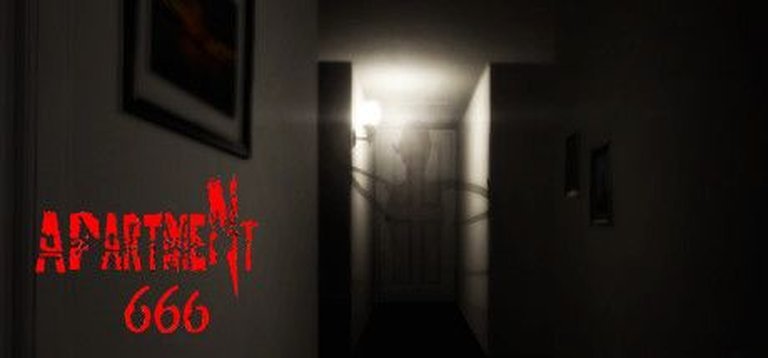
Apartment 666 is a first-person psychological horror game set in a contemporary apartment, where 12-year-old Julian wakes up alone in his dimly lit, eerily quiet home, desperate to discover what happened to his missing family. Trapped in a vicious looping cycle that resets after terrifying encounters—revealing altered environments and newly accessible rooms with each iteration—the player’s goal is to unravel the mystery and find the only way out.
Gameplay Videos
Where to Buy Apartment 666
PC
Apartment 666 Reviews & Reception
honestgamers.com : “The numbing of the beast”
Apartment 666: Review
Introduction
Imagine waking up in the dim glow of your childhood bedroom, the air thick with an unnatural silence, only to realize your family has vanished—and every attempt to escape resets you right back to that bed, the apartment subtly warping around you like a malevolent dream. This is the chilling premise of Apartment 666, a 2016 indie psychological horror game that channels the looping dread of P.T. into a claustrophobic domestic nightmare. Released amid the post-P.T. indie horror surge on Steam, where solo developers churned out hallway crawlers promising escalating terror, Apartment 666 stands as a raw artifact of ambition clashing with execution. Developed primarily by a teenage creator, it captures the unpolished essence of early Steam indies but falters under its own clichés and technical shortcomings. My thesis: While Apartment 666 exemplifies the democratizing power of tools like Unity for young creators, its repetitive loops, vague mechanics, and uninspired scares render it a forgettable footnote in horror gaming history—more curiosity than classic.
Development History & Context
The Solo Indie Dream in the P.T. Shadow
Apartment 666 emerged from the fertile chaos of mid-2010s Steam, a platform flooded with asset-flip horrors inspired by Hideo Kojima’s seminal demo P.T. (2014). Released on August 3, 2016, for Windows (with Mac support), it was published and developed by the obscure one-person studio I Need Play. Credits list Shahmeer Chaudhry as designer and creator, with contributions from Baris Akdogan (ideas/concepts), Kristians Kronis (scripting), and others for narration (listed variably as “Jason” on MobyGames or Julian McVey on wikis) and audio sourced from freesound libraries like Soundjay. Fan wikis speculate it was largely the work of a solitary 17-year-old—possibly Julian McVey himself, given the self-insert protagonist—highlighting the era’s low-barrier entry for aspiring devs using Unity.
Technological constraints were minimal: Built on Unity, it demanded modest specs (1.8 GHz CPU, 4GB RAM, DirectX 9), making it accessible on budget hardware. Yet, this simplicity exposed its limits—no advanced lighting beyond basic flickering, recycled assets, and janky physics. The gaming landscape was dominated by AAA blockbusters like Overwatch and Uncharted 4, but Steam’s indie explosion (over 500 horror titles in 2016 alone) favored quantity over quality. Apartment 666 rode this wave, priced at $1.99 with trading cards and achievements to boost visibility, but its P.T.-clone status doomed it amid competitors like Layers of Fear or Outlast. Conflicting sources (e.g., IndieDB’s outdated 2015 pitch with a virus-themed plot) suggest turbulent development, possibly pivoting from a paranormal investigation story to the final family-disappearance loop. At ~1 hour long, it embodies the “short-but-sweet” indie ethos, but lacks polish, briefly vanishing from Steam in 2019 before restoration.
Narrative & Thematic Deep Dive
Plot: A Fractured Family Echo
At its core, Apartment 666 follows 12-year-old Julian, abandoned in a new apartment by his father and uncle after unspecified “events.” Waking alone, he navigates a looping cycle: attempting to exit triggers a reset to bed, with the environment subtly altered—doors unlock, furniture shifts, shadows linger. Newspaper clippings reveal a grim backstory: Julian’s siblings murdered, parents suspects in a demonic haunting tied to the cursed address. Narration, delivered in a child’s innocent voice (by Julian McVey), immerses players in Julian’s psyche: “Life is an endless cycle of loops with only one way out.” The climax unveils a twist—Julian’s madness or a dream, with “somebody else with you or within you,” echoing P.T.‘s unreliable narrator.
Characters: Echoes of Absence
Julian is a blank-slate everyman, his youth amplifying vulnerability—no combat, just wide-eyed exploration. Family members haunt via notes and voices: ghostly cries, helium-toned demons singing lullabies like “Hush Little Baby.” No deep arcs; they’re spectral props reinforcing isolation.
Themes: Cycles of Trauma and the Supernatural Mundane
The game probes psychological horror through repetition, symbolizing trauma’s vicious cycle—family abandonment mirroring real-world neglect. The 666 motif invokes biblical damnation, blending domestic realism (cluttered rooms, ringing phones) with occult dread (wall scrawls, apparitions). Yet, themes falter: Clichéd reveals (e.g., “father and uncle suspects”) feel telegraphed via identical clippings, undermining subtlety. Narration aims for childlike wonder-turned-terror but lands as amateurish, with lines like “Open the door, behind it is where the true horrors lie” screaming B-movie cheese. Ultimately, it gestures at insanity and possession without depth, prioritizing jumps over introspection.
Gameplay Mechanics & Systems
Core Loop: Repetition as Punishment
Direct-control 1st-person walking simulator gameplay revolves around real-time exploration in a single apartment. The loop: Wake, wander hallway/bedroom/other rooms, trigger event (e.g., stand in doorway), die/reset, repeat with changes. Progression unlocks via mundane tasks—open doors, linger near furniture—culminating in escape. No combat, inventory minimal (notes only), UI sparse (no map/hints).
Puzzles and Progression: Vague and Frustrating
“Puzzles” are obtuse: Stand by a couch in storage to unlock; idle in hallway for invisible triggers. HonestGamers lambasts this as “screwing around,” solvable only via forums. Achievements (2 total: basic completion) add little. Innovation? Looping like P.T., but shorter and less varied—no radio clues, morphing ghosts.
Flaws: Jank Over Innovation
Physics wobble (drunken waddling), controls unresponsive. Pacing drags in repetition, scares predictable (flickering lights, cries). Systems feel unrefined—loops numb rather than build tension, turning 1-hour runtime into tedium.
World-Building, Art & Sound
Setting: Claustrophobic Domestic Hell
The apartment—bedroom, hallway, storage, bathroom—is a contemporary hellscape: dimly lit, cluttered with toys/clippings. Changes per loop (moved chairs, new doors) build paranoia, but asset reuse (identical papers) breaks immersion.
Visuals: Unity Realism’s Double Edge
Low-fi graphics mimic P.T.‘s grit—shadowy corners, flickering lamps—but textures blur, models stiff. Jumps feature glitchy demons, effective in bursts but undermined by repetition.
Audio: Atmospheric Anchor
Realistic sound design shines: Creaking floors, distant cries, phone rings heighten dread. Narration personalizes terror; freesound effects (growls, whispers) fit, though helium voices grate. No soundtrack, ambient silence amplifies unease—arguably the strongest element.
Collectively, they craft fleeting horror, but clichés (wall blood, shadows) dilute impact.
Reception & Legacy
Launch and Critical Response
Steam: Mixed (44% positive/152 reviews), MobyGames/VideoGameGeek: 1-2/5 (few ratings). HonestGamers: Scathing (“numbing of the beast”), citing clichés, vague puzzles, dream/insanity twist. No Metacritic aggregate; curators ignored it.
Commercial and Community
Sold modestly (~collected by 18 on Moby), briefly delisted 2019. Steam guides (walkthroughs, achievements) persist, community small but vocal on frustrations.
Influence: A Footnote in 666 Lore
Spawned “666” imitators (Hospital 666, Ammo 666), but no direct impact. Exemplifies Steam’s horror glut—P.T. clones diluted genre. As teen-dev artifact, it inspires perseverance discussions, but legacy is obscurity: a warning on polish’s necessity.
Conclusion
Apartment 666 distills indie horror’s highs (tense loops, child-perspective dread) and lows (repetitive jank, narrative shallowness) into a 60-minute curiosity. Its young creator’s vision shines in atmosphere, but execution—vague mechanics, tired tropes—sabotages scares. In video game history, it occupies the margins: a testament to Steam’s indie democracy, yet a reminder that ambition alone doesn’t exorcise mediocrity. Verdict: Skip unless you’re a completionist or P.T. completist—better horrors await beyond this looped door. 2/10.