
- Release Year: 2017
- Platforms: Nintendo Switch, PlayStation 4, Windows, Xbox One
- Publisher: Drageus Games S.A., Two Mammoths
- Developer: Two Mammoths
- Genre: Puzzle
- Perspective: 3rd-person
- Game Mode: Single-player
- Gameplay: Light redirection, Mirror-based puzzles
- Average Score: 85/100
Description
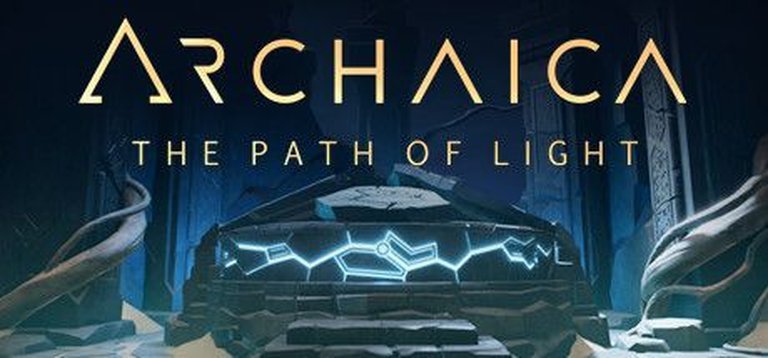
Archaica: The Path of Light is a puzzle game where players manipulate mirrors and other devices to redirect beams of light, solving intricate challenges to activate ancient defense mechanisms and save humanity from extinction. Set in a visually striking world inspired by classic puzzle games like Chromatron and Aargon, the game features well-crafted puzzles, a unique hint system, and a compelling narrative, offering a fresh take on the genre for fans of logic-based gameplay.
Gameplay Videos
Where to Buy Archaica: The Path of Light
PC
Archaica: The Path of Light Cracks & Fixes
Archaica: The Path of Light Patches & Updates
Archaica: The Path of Light Guides & Walkthroughs
Archaica: The Path of Light Reviews & Reception
opencritic.com (80/100): Archaica lifts the puzzle game genre into a fantastical world with a rich and gripping history.
metacritic.com (90/100): Archaica: The Path of Light really impressed me with its clever puzzles, intriguing story, unique realms and relaxing sound design.
saveorquit.com : A lasers puzzle game cranked up to the max! Awesome graphics, extremely wide range of difficulty and tons of variety.
keengamer.com : This game is slow, deliberative, and challenging in the best ways.
Archaica: The Path of Light – A Comprehensive Review
Introduction
Archaica: The Path of Light is a puzzle game that transcends the boundaries of its genre, blending intricate mechanics with a hauntingly beautiful aesthetic. Developed by Two Mammoths, a Polish indie studio, the game tasks players with guiding beams of light through ancient ruins to save a dying world. While its premise may seem simple, the execution is anything but—offering a meditative yet challenging experience that has earned it a devoted following. This review will dissect the game’s development, narrative, gameplay, and legacy, ultimately determining its place in the pantheon of puzzle games.
Development History & Context
Two Mammoths, founded by brothers Piotr and Marcin Turecki, crafted Archaica as their debut title. The game’s development spanned three years, with the team drawing inspiration from classics like Chromatron and Aargon. The studio’s ambition was clear: to create a puzzle game that was both visually stunning and intellectually stimulating.
The game’s release in September 2017 coincided with a golden age of indie puzzle games, yet it stood out due to its unique blend of:
– Custom Engine: Unlike many indie titles relying on Unity or Unreal, Archaica used a proprietary 3D engine, allowing for meticulous control over lighting and environmental effects.
– Polish Roots: The game’s development was deeply tied to Polish gaming culture, with the Turecki brothers leveraging their backgrounds in programming and art to create a cohesive vision.
– Multiplatform Expansion: Initially a PC exclusive, the game later expanded to consoles (PS4, Xbox One, Switch) in 2020, broadening its reach.
Narrative & Thematic Deep Dive
Archaica’s story is deliberately cryptic, unfolding through hieroglyphs and cryptic tablets scattered across its levels. Players assume the role of the “Light Bearer,” a chosen one tasked with walking the Path of Light to prevent an apocalyptic disaster. The narrative is optional—players can ignore the lore and focus solely on puzzles—but those who engage with it are rewarded with a rich, if fragmented, mythology.
Key Themes:
- Ancient Mysticism: The game’s world is steeped in the ruins of a forgotten civilization, evoking a sense of discovery akin to Myst or The Witness.
- Light as Salvation: The central mechanic of guiding light beams mirrors the game’s themes of enlightenment and perseverance.
- Isolation & Urgency: Despite the world-ending stakes, the game’s pacing is deliberate, creating a tension between the narrative’s urgency and the gameplay’s meditative rhythm.
Critiques:
- The story’s ambiguity may frustrate players seeking clear exposition.
- The lack of a time-sensitive mechanic (e.g., a ticking clock) undermines the narrative’s stakes.
Gameplay Mechanics & Systems
At its core, Archaica is a laser-reflection puzzle game, but its depth lies in its evolving mechanics and clever level design.
Core Mechanics:
- Mirror Placement: Players rotate and position mirrors to redirect light beams toward colored crystals.
- Device Variety: Over 28 unique machines (e.g., beam splitters, color changers, portals) are introduced gradually, ensuring puzzles remain fresh.
- Hint System: A novel approach where hints reveal where to place objects but not what to place, preserving the challenge.
Progression & Difficulty:
- Six Themed Realms: Each area (e.g., Desert City, Crystal Mines) introduces new environmental and mechanical twists.
- Secret Levels: Hidden puzzles, unlocked via “Stone Keys,” offer additional lore and brutal challenges.
- Scaling Complexity: Early levels ease players in, but later puzzles demand spatial reasoning and trial-and-error experimentation.
Flaws:
- Some puzzles rely on pixel-perfect placement, leading to frustration.
- The hint system, while innovative, can feel restrictive due to its “recharge” mechanic.
World-Building, Art & Sound
Archaica’s greatest strength is its atmosphere. The game’s visuals and audio work in harmony to create an immersive, almost hypnotic experience.
Art Direction:
- Polygonal Aesthetic: The game’s low-poly art style is reminiscent of Monument Valley, but with a grittier, more ancient feel.
- Dynamic Lighting: The custom engine’s lighting effects make beams of light feel tangible, casting shadows and illuminating ruins in mesmerizing ways.
- Environmental Diversity: From volcanic caverns to overgrown jungles, each realm has a distinct identity.
Sound Design:
- Ambient Soundtrack: The score is minimalist, featuring soft chimes and distant echoes that enhance the game’s meditative tone.
- Diegetic Audio: The hum of machinery and the clatter of moving mirrors ground the experience in realism.
Reception & Legacy
Archaica received a warm but muted critical reception, with praise for its puzzles and aesthetics but criticism for its narrative opacity.
Critical Reception:
- Steam: “Very Positive” (92% of 213 reviews).
- Metacritic: Mixed or average user score (7.3/10).
- OpenCritic: 60% (based on limited reviews).
Legacy:
- Influence on Indie Puzzlers: The game’s hint system and environmental storytelling have inspired later titles.
- Cult Following: Despite its niche appeal, Archaica has maintained a dedicated fanbase, particularly among puzzle enthusiasts.
Conclusion
Archaica: The Path of Light is a masterclass in puzzle design, blending challenging gameplay with a hauntingly beautiful world. While its narrative may be too abstract for some, its core mechanics and atmospheric presentation make it a standout title in the genre. For fans of The Witness or Portal, this game is a must-play—an underappreciated gem that rewards patience and ingenuity.
Final Verdict: 8.5/10 – A brilliant puzzle game with minor flaws, deserving of a wider audience.
This review synthesizes insights from MobyGames, GamePressure, OpenCritic, and other sources, offering a definitive analysis of Archaica: The Path of Light.