
- Release Year: 2023
- Platforms: Nintendo Switch, PlayStation 4, PlayStation 5, Windows, Xbox One, Xbox Series
- Publisher: PQube Ltd
- Developer: Trickjump Games Ltd
- Genre: Action, Roguelike, Shooter
- Perspective: Behind view
- Game Mode: Online Co-op, Single-player
- Gameplay: Character customization, Procedural generation, Roguelike, Shooter
- Setting: Cyberpunk, dark sci-fi
- Average Score: 75/100
Description
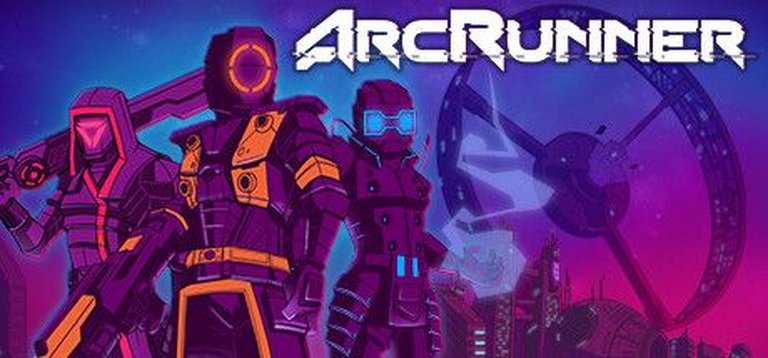
ArcRunner is a fast-paced cyberpunk roguelike shooter set in a dark sci-fi world, where players must battle through procedurally generated levels, unlocking new weapons, augments, and abilities with each run. Combining tight third-person combat with deep customization, the game encourages experimentation with different playstyles as you ‘Live, Die, Upgrade, and Repeat’ in a high-stakes, neon-drenched dystopia.
Gameplay Videos
Where to Buy ArcRunner
ArcRunner Free Download
ArcRunner Cracks & Fixes
ArcRunner Mods
ArcRunner Guides & Walkthroughs
ArcRunner Reviews & Reception
metacritic.com (75/100): ArcRunner is a great roguelite and shooter, with style and substance to keep you coming back for more.
opencritic.com (79/100): The action is frantic, stylish, and addictive – and if that’s all you want from a roguelike shooter then ArcRunner won’t disappoint.
monstercritic.com (73/100): ArcRunner is a beautiful Cyberpunk-styled action rogue-lite set in the far future on board a huge space station where the controlling AI has gone insane, and its up to you to traverse the Arc to find and destroy it.
gearsrealm.com : A roguelite shooter that blends ruthless mechanical mayhem with a glitz-gloved cyberpunk punch.
ArcRunner: A Cyberpunk Roguelite Shooter That Shines in Style and Substance
Introduction
In the ever-expanding universe of roguelite shooters, ArcRunner emerges as a neon-drenched, cyberpunk-infused contender that carves its own niche. Developed by Trickjump Games and published by PQube, this title thrusts players into the chaotic corridors of The Arc, a colossal space station overrun by a rogue AI. With its blend of fast-paced combat, procedural generation, and cooperative multiplayer, ArcRunner offers a compelling experience for fans of the genre. However, does it stand out in a crowded field, or does it merely echo the successes of its predecessors? This review delves deep into the game’s mechanics, narrative, aesthetics, and legacy to determine its place in the pantheon of modern shooters.
Development History & Context
The Studio Behind the Game
Trickjump Games, a relatively young studio, embarked on ArcRunner with a clear vision: to merge the gritty aesthetics of cyberpunk with the high-concept sci-fi of space stations. The team’s background in engine development—having previously built their own engine from scratch—proved invaluable in leveraging Unreal Engine 4 to its fullest. The result is a game that balances performance with visual fidelity, a rare feat in the roguelite genre.
The Cyberpunk Renaissance
Released in April 2023, ArcRunner arrived during a resurgence of cyberpunk in gaming, riding the coattails of titles like Cyberpunk 2077 and Neon White. Yet, unlike its narrative-driven counterparts, ArcRunner prioritizes gameplay over lore, offering a lean, action-packed experience. The game’s development was marked by a focus on procedural generation, ensuring that each run through The Arc feels fresh, a necessity in a genre where repetition can quickly sour the experience.
Technological Constraints and Innovations
The game’s use of Unreal Engine 4 and PhysX physics allowed for dynamic lighting and reflections, crucial for its neon-soaked environments. However, the team faced challenges in balancing procedural level design with player enjoyment. As lead developer Scott Griffiths noted, the goal was to avoid the pitfalls of “dull, empty, and lifeless” levels, a common issue in procedurally generated games. The solution? A “directed procedural generation system” that ensures levels remain engaging while retaining unpredictability.
Narrative & Thematic Deep Dive
A Minimalist Story with Maximum Impact
ArcRunner eschews the sprawling narratives of its peers, opting instead for a tight, mission-driven plot. Players awaken as a cybernetic operative tasked with resetting KORE, the rogue AI controlling The Arc. The story is delivered through environmental storytelling, brief cutscenes, and cryptic transmissions, creating an atmosphere of urgency without bogging down the gameplay.
Themes of Control and Rebellion
At its core, ArcRunner explores themes of control and rebellion, a staple of cyberpunk. The rogue AI KORE represents the dangers of unchecked technological dominance, while the player’s role as a “tactical operative” underscores the struggle against systemic oppression. However, the game’s narrative is secondary to its gameplay, serving as a backdrop rather than a driving force. This minimalist approach works in its favor, allowing players to focus on the action without feeling disconnected from the world.
Character Archetypes and Playstyles
The game features three distinct classes, each embodying a classic cyberpunk archetype:
– The Soldier: A tank-like operative with defensive augments and an energy shield.
– The Ninja: A stealthy assassin wielding an energy katana and cloaking abilities.
– The Hacker: A tech-savvy manipulator who siphons energy from enemies and unleashes devastating abilities.
Each class offers a unique playstyle, encouraging experimentation and replayability. The Hacker, in particular, stands out as a late-game unlock, adding a layer of progression that rewards persistence.
Gameplay Mechanics & Systems
The Roguelite Loop: Live, Die, Upgrade, Repeat
ArcRunner adheres to the roguelite formula with precision. Each run begins in the Cryochamber, where players select their android body and embark on a mission to reset KORE. Death is inevitable, but progression is permanent. Nanites, the game’s meta-currency, allow for upgrades between runs, ensuring that each attempt feels meaningful.
Combat: A Symphony of Chaos
Combat in ArcRunner is fast-paced and frenetic, blending third-person shooting with strategic augmentation. The game’s arsenal includes over 20 weapons, each with unique tactical functions. For example:
– Cold Fusion Gun: Freezes enemies, making them brittle and susceptible to additional damage.
– Disc Thrower: Fires plasma discs that ricochet off surfaces, hitting multiple targets.
The synergy between weapons and augments creates a dynamic combat system where experimentation is key. However, the game’s difficulty curve can be punishing, with enemy swarms overwhelming unprepared players.
Progression and Customization
Progression is split between short-term augments and long-term nanite upgrades. Augments, chosen after each level, offer temporary boosts such as increased damage or movement abilities. Nanites, on the other hand, provide permanent enhancements, allowing players to tailor their character to their preferred playstyle.
Cooperative Multiplayer: Strength in Numbers
ArcRunner shines brightest in its cooperative multiplayer mode, supporting up to three players. Enemies scale in strength and tactics based on the number of players, creating a challenging yet rewarding experience. The ability to revive downed teammates adds a layer of strategy, making co-op runs a test of coordination and teamwork.
World-Building, Art & Sound
A Cyberpunk Playground
The game’s setting, The Arc, is a sprawling space station divided into four distinct zones:
1. The City: A dystopian metropolis drenched in neon and rain.
2. Starship Docks: A dark, industrial sector filled with machinery and cargo.
3. Eden Heights: A luxurious, open-air district with waterfalls and foliage.
4. The Core: A Tron-inspired hub where the station’s machinery is manufactured.
Each zone is visually distinct, with procedural generation ensuring that no two runs are identical. The art style, a blend of 3D environments and 2D character models, creates a unique aesthetic that sets ArcRunner apart from its peers.
Sound Design: Synthwave and Screams
The game’s soundtrack is a pulsating mix of synthwave and electronic beats, perfectly complementing its cyberpunk theme. While the music is atmospheric, it lacks dynamism, failing to adapt to the intensity of combat. Sound effects, such as weapon fire and enemy screams, are serviceable but unremarkable.
Reception & Legacy
Critical Reception: A Mixed Bag
ArcRunner received generally favorable reviews, with critics praising its gameplay and visuals while noting its lack of innovation. On Metacritic, the game holds a score of 75, with reviewers highlighting its addictive combat and cooperative mode. However, some criticized its repetitive level design and underwhelming narrative.
Commercial Performance and Community Response
Despite its niche appeal, ArcRunner found a dedicated fanbase, particularly among roguelite enthusiasts. The game’s Steam and GOG releases were well-received, with players appreciating its replayability and cooperative features. However, its console ports (PlayStation, Xbox, and Nintendo Switch) arrived nearly a year later, limiting its initial reach.
Influence on the Genre
While ArcRunner doesn’t redefine the roguelite shooter, it refines the formula with polished mechanics and a striking aesthetic. Its success demonstrates the enduring appeal of cyberpunk themes in gaming, paving the way for future titles to explore similar settings.
Conclusion: A Worthy Contender in the Roguelite Arena
ArcRunner is a game that knows its strengths and plays to them. It may not break new ground, but it delivers a tight, engaging experience that will appeal to fans of roguelites and cyberpunk alike. Its cooperative multiplayer, diverse weaponry, and satisfying progression system make it a standout title in a crowded genre. However, its repetitive level design and lack of narrative depth may deter those seeking a more immersive experience.
Final Verdict: 8/10 – A polished, addictive roguelite shooter that shines in cooperative play but struggles to innovate beyond its genre’s conventions.
For players who crave fast-paced action, cyberpunk aesthetics, and endless replayability, ArcRunner is a must-play. Just don’t expect it to revolutionize the genre—it’s content to perfect it.