
- Release Year: 1999
- Platforms: Windows
- Publisher: Jordan Freeman Group, LLC, Learning Company, Inc., The, Wanderful Inc.
- Developer: Human Code, Inc.
- Genre: Educational
- Perspective: Fixed / flip-screen
- Game Mode: Single-player
- Gameplay: Mini-games, Point and select
- Setting: art, Graphics, logic, Math, Music, Pre-school, Reading, toddler, writing
Description
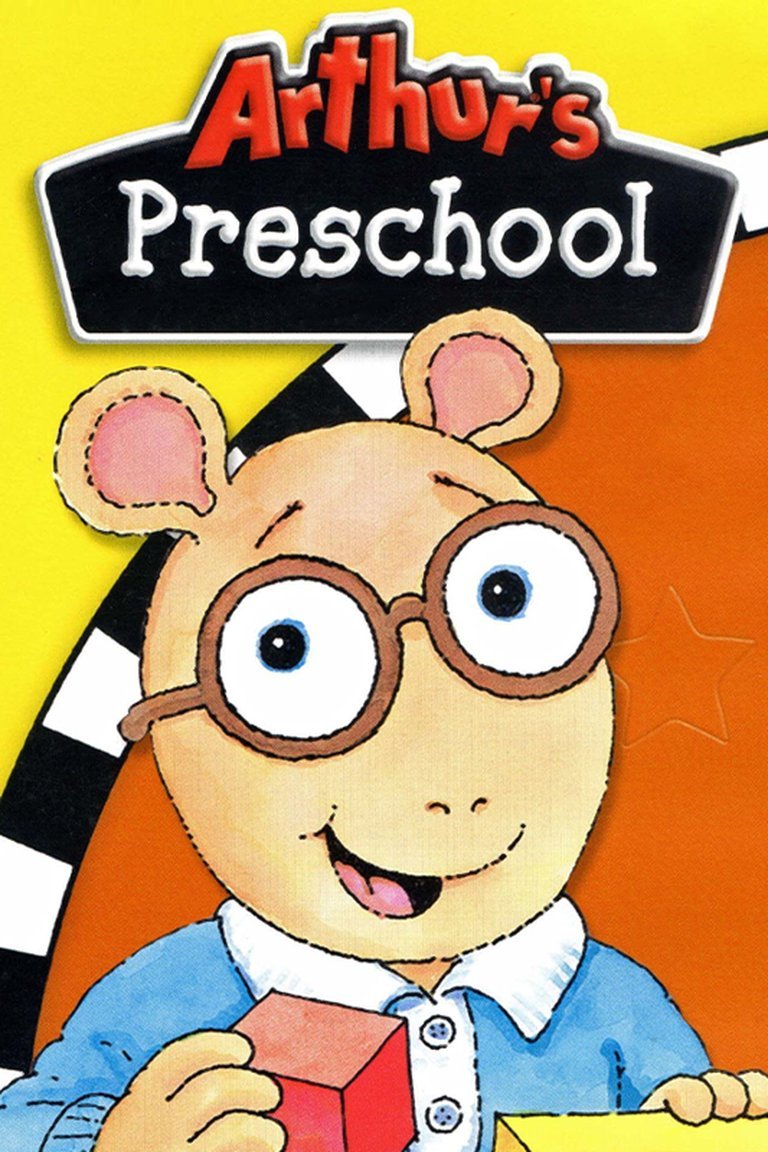
Arthur’s Preschool is an educational video game released in 1999 for Windows, designed for young children to develop early learning skills. Based on the popular Arthur children’s TV show, the game features mini-games and activities focused on reading, math, and basic problem-solving, all set in a playful, interactive environment that encourages preschool-level learning through engaging gameplay.
Gameplay Videos
Where to Buy Arthur’s Preschool
PC
Arthur’s Preschool Free Download
Arthur’s Preschool: A Nostalgic Masterpiece of Edutainment
Introduction
In the late 1990s, the educational gaming landscape was a burgeoning field, with developers and publishers vying to create engaging, interactive experiences that could both entertain and educate young minds. Among the standout titles of this era was Arthur’s Preschool, a game that seamlessly blended the charm of the beloved Arthur television series with a robust educational framework. Released in 1999 by The Learning Company and developed by Human Code, Inc., Arthur’s Preschool was more than just a licensed cash-in; it was a meticulously crafted edutainment experience that left an indelible mark on the genre.
This review aims to delve deep into the game’s development history, narrative and thematic elements, gameplay mechanics, artistic and auditory design, reception, and legacy. By examining these facets, we can appreciate Arthur’s Preschool not only as a product of its time but also as a pioneering effort in educational gaming.
Development History & Context
The Studio and Creators’ Vision
The Learning Company, a prominent name in educational software during the 1990s, was the driving force behind Arthur’s Preschool. The company had a reputation for creating high-quality educational titles, and their collaboration with Marc Brown, the creator of the Arthur series, was a strategic move to leverage the popularity of the television show. In February 1999, The Learning Company announced an exclusive, multi-year contract with Marc Brown to develop and publish interactive software under the Arthur brand. This partnership aimed to broaden Arthur’s visibility in the interactive software category, particularly within core curriculum areas.
Human Code, Inc., the developer behind Arthur’s Preschool, was tasked with translating the whimsical world of Arthur into an interactive, educational experience. The game was part of a broader initiative to create a series of Arthur-themed educational games, each targeting different age groups and learning objectives. The vision was to create a game that was not only educational but also deeply engaging, leveraging the familiar characters and settings from the television series to make learning feel like play.
Technological Constraints and Innovations
The late 1990s were a period of rapid technological advancement in the gaming industry. However, educational games often lagged behind their mainstream counterparts in terms of graphical fidelity and interactivity. Arthur’s Preschool was developed for Windows, utilizing the technological capabilities of the time to create a visually appealing and interactive experience.
One of the notable innovations in Arthur’s Preschool was its use of a two-disc structure. The first disc focused on educational activities, while the second disc was dedicated to creative and fun activities. This separation allowed for a more organized and focused learning experience, catering to both the educational and recreational needs of young players.
The game also featured auto-levelling, a system that adjusted the difficulty of activities based on the player’s performance. This adaptive learning approach was a significant advancement, ensuring that the game remained challenging yet accessible for children of varying skill levels.
The Gaming Landscape of the Late 1990s
The late 1990s saw a proliferation of educational games, with titles like Reader Rabbit and JumpStart dominating the market. These games were designed to make learning fun, often incorporating colorful graphics, engaging narratives, and interactive activities. Arthur’s Preschool entered this competitive landscape with a unique advantage: the beloved Arthur brand.
The Arthur television series, which premiered in 1996, was already a household name by the time the game was released. The show’s emphasis on social and emotional learning, combined with its relatable characters and engaging storytelling, made it a perfect fit for an educational game. Arthur’s Preschool capitalized on this popularity, offering young players a chance to interact with their favorite characters in a new and exciting way.
Narrative & Thematic Deep Dive
Plot and Characters
Arthur’s Preschool is set in the familiar world of Elwood City, the fictional town where the Arthur television series takes place. The game follows Arthur and his friends as they engage in various educational activities, all within the context of a preschool setting. The narrative is simple yet effective, providing a framework for the educational content.
The game features a cast of beloved characters from the television series, including Arthur Read, Buster Baxter, Francine Frensky, and Muffy Crosswire. Each character brings their unique personality to the game, making the learning experience more engaging and relatable. The inclusion of these familiar faces helps to create a sense of continuity and comfort for young players, who are already familiar with the characters from the television show.
Dialogue and Themes
The dialogue in Arthur’s Preschool is clear, concise, and tailored to the target audience. The characters speak in a friendly and encouraging manner, providing instructions and feedback that are easy for young children to understand. This approach ensures that the educational content is accessible and engaging, even for players who are just beginning to develop their reading and listening skills.
The game’s themes revolve around the importance of learning, friendship, and personal growth. Through the various activities and interactions, players are encouraged to develop their cognitive and social skills, all within the context of a supportive and nurturing environment. The game’s emphasis on positive reinforcement and personalization helps to create a sense of achievement and motivation, encouraging young players to continue learning and exploring.
Gameplay Mechanics & Systems
Core Gameplay Loops
Arthur’s Preschool is structured around a series of educational activities, each designed to teach specific skills and concepts. The game features nine learning activities, covering a range of subjects including letter recognition, phonics, vocabulary, numbers and counting, matching and sorting, simple arithmetic, music composition, arts and crafts, drawing and coloring, shapes and colors, recognizing differences, and following directions.
Each activity is presented as a mini-game, with clear instructions and objectives. The gameplay is designed to be intuitive and engaging, with a focus on interactive learning. Players are encouraged to explore and experiment, with the game providing feedback and guidance as needed.
Combat and Character Progression
Unlike traditional video games, Arthur’s Preschool does not feature combat or character progression in the conventional sense. Instead, the game focuses on educational progression, with players advancing through the activities as they master the skills and concepts presented. The auto-levelling system ensures that the difficulty of the activities is adjusted based on the player’s performance, providing a personalized learning experience.
UI and Innovative Systems
The user interface in Arthur’s Preschool is designed to be simple and intuitive, with large, colorful buttons and clear, easy-to-read text. The game features a point-and-select interface, making it easy for young players to navigate and interact with the various activities. The inclusion of voice acting and sound effects further enhances the user experience, providing additional cues and feedback.
One of the innovative systems in Arthur’s Preschool is its personalization feature. The game allows players to input their name, favorite animal, and birthday, creating a personalized experience that makes the learning process more engaging and meaningful. This feature helps to create a sense of ownership and connection, encouraging young players to invest in the game and their learning journey.
World-Building, Art & Sound
Setting and Atmosphere
Arthur’s Preschool is set in the familiar world of Elwood City, with the game’s activities taking place in various locations around the town. The game’s setting is designed to be inviting and engaging, with colorful graphics and a friendly, welcoming atmosphere. The use of familiar locations and characters from the television series helps to create a sense of continuity and comfort, making the learning experience more enjoyable and relatable.
Visual Direction
The visual design of Arthur’s Preschool is a key component of its appeal. The game features bright, colorful graphics that are both visually appealing and easy to understand. The characters and environments are rendered in a style that is consistent with the television series, helping to create a cohesive and immersive experience. The use of large, clear text and simple, intuitive icons further enhances the game’s accessibility, making it easy for young players to navigate and interact with the various activities.
Sound Design
The sound design in Arthur’s Preschool is another standout feature. The game features voice acting from the television series, with the characters providing clear, encouraging instructions and feedback. The inclusion of sound effects and background music further enhances the game’s atmosphere, creating a dynamic and engaging auditory experience. The use of sound cues and feedback helps to reinforce the educational content, making the learning process more interactive and enjoyable.
Reception & Legacy
Critical and Commercial Reception
Arthur’s Preschool was well-received by both critics and players upon its release. The game was praised for its engaging educational content, intuitive gameplay, and appealing visual and auditory design. Critics noted that the game was a standout entry in the edutainment genre, offering a well-balanced mix of learning and fun.
Commercially, Arthur’s Preschool was a success, with the game selling well and receiving positive feedback from parents and educators. The game’s popularity was further bolstered by the success of the Arthur television series, which helped to drive interest and sales.
Evolution of Reputation
Over the years, Arthur’s Preschool has maintained a positive reputation as a high-quality educational game. The game is often cited as a standout example of effective edutainment, with its engaging activities and personalized learning approach continuing to resonate with players and educators alike. The game’s legacy is further enhanced by its inclusion in various lists and retrospectives of the best educational games of the 1990s.
Influence on Subsequent Games and the Industry
Arthur’s Preschool had a significant influence on the development of subsequent educational games. The game’s use of auto-levelling, personalized learning, and engaging mini-games set a new standard for the genre, inspiring other developers to incorporate similar features into their own titles. The game’s success also helped to establish the Arthur brand as a major player in the educational gaming market, paving the way for future titles in the series.
Conclusion
Arthur’s Preschool is a landmark title in the edutainment genre, offering a well-balanced mix of learning and fun. The game’s engaging activities, intuitive gameplay, and appealing visual and auditory design make it a standout entry in the field of educational gaming. Its use of auto-levelling, personalized learning, and familiar characters from the Arthur television series further enhances its appeal, creating a learning experience that is both effective and enjoyable.
In the broader context of video game history, Arthur’s Preschool represents a significant achievement in the development of educational software. The game’s innovative features and engaging content have left a lasting impact on the genre, inspiring subsequent titles and setting a new standard for edutainment. As a result, Arthur’s Preschool is not only a beloved classic but also a pioneering effort that continues to influence the field of educational gaming to this day.
Final Verdict: Arthur’s Preschool is a masterpiece of edutainment, offering a rich and engaging learning experience that stands the test of time. Its innovative features, appealing design, and effective educational content make it a must-play for young learners and a standout entry in the history of educational gaming.