
- Release Year: 2011
- Platforms: Windows
- Publisher: JAST USA
- Developer: Xuse
- Genre: Adventure, Role-playing (RPG)
- Perspective: 1st-person / Side view
- Game Mode: Single-player
- Gameplay: Tactical RPG, Visual novel
- Setting: Fantasy
- Average Score: 84/100
Description
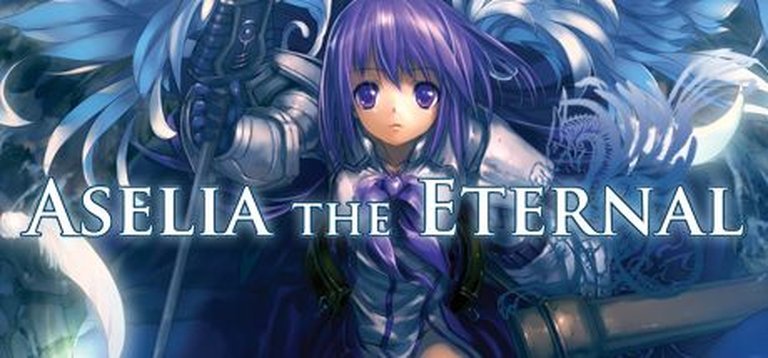
Aselia the Eternal is a fantasy visual novel and tactical RPG where ordinary high school student Takamine Yuuto is mysteriously transported to the war-torn world of Phantasmagoria, enslaved by the expansionist King of Rakios, and forced to command squads in brutal wars to secure the release of his hostage sister Kaori. Blending immersive storytelling with turn-based strategy gameplay, players manage trios of attacking, defending, and spellcasting units to capture towns, harvest Mana to refine into Ether, and upgrade forces amid anime-style visuals and deep narrative choices.
Gameplay Videos
Where to Buy Aselia the Eternal
PC
Aselia the Eternal Guides & Walkthroughs
Aselia the Eternal Reviews & Reception
rpgfan.com : It’s an extremely rare occasion when a game that spans dozens of hours keeps you entertained at the start, the end, and nearly every minute in the middle.
steambase.io (84/100): Very Positive
blog.jlist.com : There is a lot of fun to be had with Aselia the Eternal.
backloggd.com : incredibly charming fantasy srpg experience with a lovable cast of characters
Aselia the Eternal: Review
Introduction
In the sprawling tapestry of visual novels and tactical RPGs, few titles weave narrative depth with strategic rigor as masterfully as Aselia the Eternal – The Spirit of Eternity Sword. Released in the West in 2011 by JAST USA as an all-ages adaptation of Xuse’s 2005 Japanese original Eien no Aseria: Kono Daichi no Hate de, this hybrid gem thrusts players into the fantastical realm of Phantasmagoria, where ordinary high schooler Takamine Yuuto is coerced into war by a tyrannical king holding his sister hostage. What begins as a reluctant isekai tale evolves into a profound exploration of free will, oppression, and redemption, punctuated by punishing tactical battles that make every victory feel personal. As a game historian, I posit that Aselia stands as a pivotal work in the evolution of story-driven strategy games, proving that visual novels can transcend passive reading to deliver emotionally charged interactivity—elevating it from cult favorite to an enduring influence on titles like its sequel Seinarukana and modern hybrids such as Fire Emblem echoes in player attachment mechanics.
Development History & Context
Xuse, a studio formerly known as Honjouzou and renowned for adult visual novels, birthed Aselia amid Japan’s early-2000s eroge boom, with the original 18+ PC release in 2005 followed by an all-ages PS2 port. This duality reflected the era’s shifting tides: visual novels were exploding in popularity thanks to accessible PC hardware and fan translations, but console ports demanded censorship to reach broader audiences. Technological constraints of the time—prevalent 800×600 resolutions, sprite-based 2D art, and menu-driven interfaces—shaped its fixed/flip-screen visuals and tactical map, reminiscent of PS1-era SRPGs like Valkyria Chronicles prototypes or Fire Emblem.
JAST USA’s 2011 localization, handled by fan group Dakkodango Translations and rebranded for Steam in 2016, marked a strategic pivot. Traditionally focused on adult titles, JAST opted for the all-ages version to “diversify its lineup,” excising “problematic” ero content while adding exclusive scenes. Priced at $14.99, it targeted Western VN enthusiasts craving substance over fanservice, amid a landscape dominated by pure VNs (Fate/stay night) and SRPGs (Disgaea). Xuse’s vision—story-first design where gameplay serves narrative—emerged from creator ambitions to humanize strategy units, predating XCOM‘s emotional troop bonds. Constraints like limited voice acting budgets led to the ingenious use of a fully constructed language, immersing players without relying on Japanese VO tropes. In 2011’s gaming scene, post-Mass Effect 2 narrative focus and rising indie tactics (FTL), Aselia bridged Eastern VN depth with Western RPG interactivity, though its dated UI reflected 2003 roots.
Narrative & Thematic Deep Dive
Aselia‘s plot is a symphony of desperation and defiance, commencing with a gripping prologue: Yuuto, an overworked orphan caring for adoptive sister Kaori, is yanked into Phantasmagoria by the enigmatic “Desire”—an Eternity Sword entity. Enslaved by Rakios’ expansionist king, who hostages Kaori, Yuuto becomes an “Etranger,” wielding the Fourth Rank Desire sword alongside Spirits: ethereal, sword-bound females treated as disposable weapons by humans.
Core Plot and Routes
The 50+ hour campaign unfolds across 23 missions and 38 conquerable towns, blending relentless war with downtime character vignettes. Yuuto leads Rakios’ Spirits—blue-attacker Aselia (stoic, winged-halo warrior believing battle her sole purpose), green-defender Esperia (self-sacrificing leader viewing Spirits as human servants), red-supporter Oruphaliru (“Papa”-calling innocent raised as a weapon), and later recruits like black-winged Sargios captain Uruka or Rakios princess Lesteena—against empires like Sargios and Malorigan. Rivals include friend-turned-foe Midori Kouin (Karma sword) and obsessive Shun (Oath sword).
Nine endings branch from five main heroine routes (unlocked via Mind/Love scores from battles and choices) plus two post-game paths and a “true” finale. Aselia’s route unveils cosmic lore; Orphaliru’s emphasizes innocence lost; Tokimi’s (mysterious priestess with Time’s Hymn) adds backstory depth. New Game+ reveals fictional language translations, enhancing replays (30-40 hours each).
Themes: Oppression, Identity, and Language
Thematically, Aselia dissects Spirits’ enslavement: humans’ tiered society views them as tools, mirroring real-world exploitation. Eternity Swords erode free will via “Mind” erosion—low Mind boosts power but risks soul domination—symbolizing toxic ambition. Yuuto’s arc shifts from self-preservation to advocacy, challenging status quo. A constructed language (fully voiced, with grammar quizzes) immerses players: initial incomprehension mirrors Yuuto’s alienation, evolving to fluency, underscoring adaptation.
Flaws mar perfection: Yuuto-Kaori’s bond veers obsessive/creepy—her childlike domesticity and his overprotectiveness feel contrived, straining realism. Yet, dialogue shines: sharp, thematic, fostering attachment. Political intrigue, twists (e.g., Spirit rebellions), and romance feel earned, making Aselia a narrative triumph where story interrupts gameplay organically, not as filler.
Gameplay Mechanics & Systems
Aselia deconstructs SRPG loops into a cerebral puzzle: story dictates missions, but battles demand mastery.
Core Loops: Map Strategy and Squad Combat
On abstract continent maps, command squads (up to 3 Spirits: attacker/defender/supporter) in turn-based conquest. Move one space/turn, capture towns for Mana (refined to Ether for buildings/upgrades). Objectives vary: defend, rout, boss slay. Resource scarcity bites—skills have limited uses, rechargeable only at bases—turning maps into endurance tests, especially chained missions leaving squads depleted.
Squad clashes auto-resolve turn-based: attacker strikes first, defender counters, supporter interrupts. Colors dictate synergy—Blues excel attacking but disrupt as supporters; Greens tank; Reds heal/mage; Blacks versatile. Continuous fights persist until annihilation. Permadeath looms: main character loss = Game Over; minors irreplaceable, amplifying dread.
Progression, UI, and Innovation/Flaws
Ether pools for Ether skills/levels (no auto-levels); ranks post-battle boost participants. Mind system intertwines: low Mind (sword dominance) powers units but blocks scenes; high fosters bonds/routes. Love accrues invisibly via proximity/choices. UI? Menu hell—constant swaps amid sluggish animations (CTRL speeds, but skips text). Tutorials buggy (ENTER skips chunks). AI simplistic (charges or camps), yet challenge moderate-hard: trial-error early, logic puzzles later. Three difficulties, NG+ higher caps. Optional dragons/quests yield marginal gains. Replay skips dialogue, easing 100+ hour completionism.
Innovations shine: gameplay mirrors themes (Mind tradeoffs), making units “people.” Flaws—tedious backtracking, obtuse routes—temper brilliance, but engagement endures.
World-Building, Art & Sound
Phantasmagoria pulses with medieval-fantasy grit: mana-ether tech skews progression (no gunpowder, magical infrastructure). Tiered societies, warring nations (Rakios north, Sargios south), and Spirit lore craft cohesion—maps evoke novel endpapers, VN scenes flesh geography/culture.
Art channels 2003 anime/manga: charming sprites (identifiable halos: Aselia’s wings, Orpha’s Pii-tan orbs), lush forests, but dated—males oversized, females diminutive; Yuuto’s sprite garish. Slow battles, minor inconsistencies.
Sound excels: orchestral score fits—peaceful tracks memorable, OP evocative. Fully voiced in constructed language (impeccable detail, immersion booster), bar tutorial Japanese slips and one grating child VO. No anime adaptation, but wiki/fan efforts preserve legacy.
Elements synergize: language/VO deepens alienation-to-belonging; art’s nostalgia evokes era; sound immerses, elevating hybrid experience.
Reception & Legacy
Launch reception was niche acclaim: RPGamer (positive, story/characters shine, menus tedious); RPGFan (89/100, “rare 30-50h entertainer”); MoeGamer lauded story-gameplay balance. Steam (2016): Very Positive (84%, 75 reviews)—praise for narrative/challenge/soundtrack, gripes on graphics/slow starts/censorship/repetitiveness. MobyGames/Fandom sparse (4/5 player avg), Reddit queries worth (yes, for routes like Aselia/Orpha).
Commercially modest ($14.99 digital/boxed), but legacy profound: pioneered VN-SRPG fusion, influencing Eushully’s Alchemy Meister, Fire Emblem‘s bonds. Spawned Seinarukana (2017), DLC soundtrack. Fan patches, wikis sustain; J-List/Backloggd hail charm. Evolved VN reputation from “reading sims” to interactive epics, prefiguring 13 Sentinels.
Conclusion
Aselia the Eternal is no mere relic—it’s a masterful fusion where narrative ennobles tactics, crafting emotional stakes rivaling modern greats. Dated visuals/menus falter, sister dynamic jars, yet 50+ hours of twists, lovable Spirits, punishing strategy, and linguistic innovation cement its triumph. In video game history, it occupies a vital niche: proof hybrids can humanize war games, inspiring attachment in an era of abstractions. Verdict: Essential for VN/SRPG fans—a timeless 9/10, warranting sequels and remakes. Play it; let Phantasmagoria haunt you.