
- Release Year: 2024
- Platforms: Android, Linux, Macintosh, Windows
- Publisher: Crystal Game Works
- Developer: Crystal Game Works
- Genre: Adventure
- Perspective: 1st-person
- Game Mode: Single-player
- Gameplay: Visual novel
- Average Score: 84/100
Description
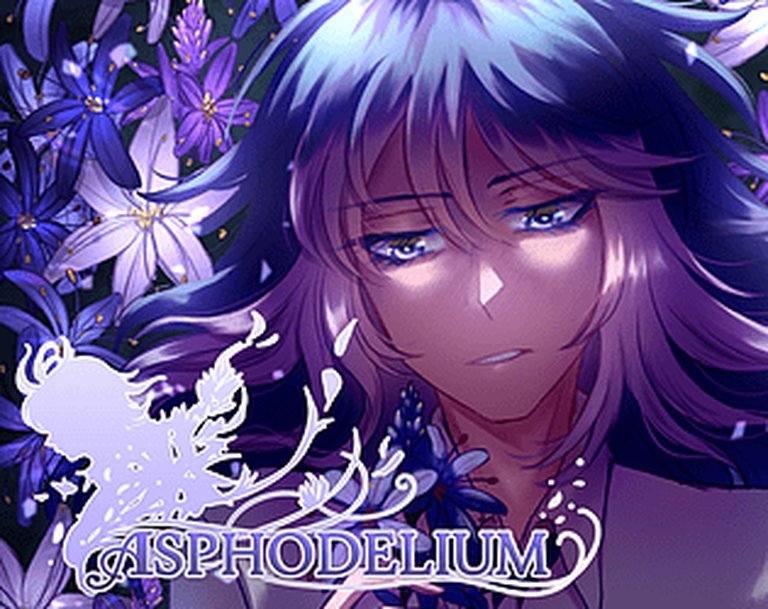
Asphodelium is a melancholic slice-of-life boys’ love visual novel set in a fantasy world, where ex-adventurer Hazel has settled down with his former guildmates after defeating a doomsday cult—at the cost of killing their traitorous leader. Months later, haunted by the past, Hazel encounters a mysterious man with the exact same face as the deceased leader, forcing him to confront lingering traumas and choose whether to steer this doppelganger toward redemption or repeat history’s deadly mistakes amid themes of cults, murder, depression, and love.
Where to Buy Asphodelium
PC
Asphodelium Reviews & Reception
crystalgameworks.itch.io (98/100): pure perfection!
Asphodelium: Review
Introduction
Imagine confronting the ghost of your greatest regret—not as a spectral apparition, but as a living, breathing man with the same face, memories, and mannerisms as the one you killed to save the world. This is the haunting premise of Asphodelium, a visual novel that transforms personal trauma into a melancholic tapestry of love, identity, and redemption. Developed by the indie powerhouse Crystal Game Works, Asphodelium emerged from the Winter Visual Novel Jam 2023 and evolved through iterative releases into a 60,000+ word extended edition in June 2025. As a boys’ love (BL) title blending slice-of-life introspection with lite psychological horror, it stands as a testament to solo-dev ambition in an era dominated by sprawling AAA narratives. My thesis: Asphodelium is a masterful microcosm of indie visual novel artistry, wielding restraint and emotional precision to elevate themes of self-realization and queer resilience, securing its place as a modern classic in the BL genre despite its niche origins.
Development History & Context
Crystal Game Works, helmed by creator Arimia, represents the quintessential solo indie studio thriving in the visual novel ecosystem. Arimia handles direction, writing, art, and character design, with targeted support from collaborators like baguetti (logo), Hozach (main theme music), and Feniks (layered image masks). Built in Ren’Py and Clip Studio Paint, Asphodelium embodies the accessible tools that democratized VN development post-2010s, allowing rapid prototyping amid resource constraints.
The game’s genesis traces to the Winter Visual Novel Jam 2023, yielding a demo (~12k words) that introduced core cast and inciting incident. Version 1.0 launched January 21, 2024, on itch.io (~40k-64k words, considered “complete”), followed by Android port (May 2024) and Steam demo. Technological limits of Ren’Py—text-heavy, choice-driven branching without complex 3D or real-time elements—mirrored the era’s indie VN boom, influenced by jam culture (e.g., Queer Games Bundle 2024, WOMEN’s GAME FEST 2025). Arimia’s devlogs reveal post-launch introspection: recognizing untapped potential in identity and relationships, she expanded to an extended cut (v2.02, June 18, 2025, Steam/itch.io at $9.99), ballooning to 66k words with new paths, CGs, audio, gallery, and achievements.
The 2024-2025 gaming landscape was saturated with queer indies (e.g., Canvas Menagerie by the same studio), amid Steam Next Fest and festivals like Fall in Love VN Fest and Storyteller’s Festival. Asphodelium‘s prohibition-era fantasy setting dodged medieval clichés, aligning with a post-Hades II hunger for narrative depth over spectacle. Constraints like solo art production fostered intimacy, but delayed full polish—evident in initial abrupt endings—yet Arimia’s iterative approach (monthly devlogs on writing/art) exemplifies resilient indie evolution.
Narrative & Thematic Deep Dive
Plot Synopsis and Structure
Asphodelium‘s narrative centers Hazel, a white-haired trans man and ex-adventurer/musician/mage, haunted by slaying Cyrus, his guild leader turned doomsday cultist (Sun Mourners) during a world-ending crisis. Months later, settled with guildmates Alexei, Bryn (non-binary), and Charlotte, Hazel encounters Aster—a doppelganger of Cyrus, homeless and amnesiac—who becomes his obsessive, clingy roommate. Player choices bifurcate into two main storylines with multiple endings: one path redeems Aster, fostering romance amid festivals and dances; the other spirals into mistrust, echoing past violence.
Extended edition additions (new 19k+ word storyline, scripted scenes) deepen branches, culminating in romantic moonlit dances or bad ends. Flashbacks unpack guild history, cult indoctrination (preying on community voids), and Hazel’s depression/suicidal ideation. Twists—like Aster revealing Cyrus’s inner thoughts—reframe identity: Is Aster Cyrus reborn, a vessel, or anew? No sexual content; focus is emotional intimacy.
Character Analysis
Hazel (protagonist, adult, instrumentalist with imbued magic) embodies stagnation: two years post-transition, adventuring ruts fuel self-doubt. His mage proficiency (emotional chanting) symbolizes suppressed feelings. Aster (gradient-haired mage hero, cheerful yet haunted) drives tension—clingy affection masks cult echoes, forcing Hazel to confront “what makes you, you?” Side cast enriches: Bryn (ex-knight, now at children’s home) offers non-binary normalcy; Charlotte/Alexei ground slice-of-life via self-sufficient roots; Cyrus haunts as flawed mentor, his “miracle” allure mirroring real cult dynamics.
Dialogue shines in naturalism—Arimia’s prose evokes empathy, per player comments (“felt Hazel’s emotions”). Relationships feel lived-in, with shared history (e.g., guild betrayals) informing perspectives.
Thematic Depth
Core motifs interrogate identity duality: self vs. perceived (names, ambitions, faces). Hazel’s trans journey intersects depression, probing post-trauma futures. Cults exploit privacy/community balance, warning against insular “families” recreating abuse (“we’re not like them”). Queer romance subverts BL tropes—obsessive love as redemptive, not toxic default. Mourning, destiny, and slice-of-life drama culminate in self-realization: choices affirm growth or relapse. Lite horror (doppelganger unease) amplifies psychological stakes, never glorifying triggers (murder, child abuse mentions, suicide thoughts). Endings vary by siding with Aster, rewarding nuance.
Gameplay Mechanics & Systems
As a pure visual novel, Asphodelium prioritizes reading/choices over action. Core loop: advance text (NVL-style, colored name-tags), select dialogue branching into paths. Fixed/flip-screen 1st-person perspective with menu interface ensures accessibility (keyboard/mouse, Android-friendly).
Innovations: Branching yields 2 paths (Aster-aligned vs. distrustful), multiple endings (e.g., “nice” vs. alternatives; Steam achievements track). GUI evolution (devlog-highlighted) features layered masks for fluidity. Flaws: Initial v1.0 endings felt abrupt (player feedback); extended fixes via epilogue teases, but playtime (~2-3 hours) limits replayability without gallery unlocks.
Progression is narrative-driven—no stats, but flashbacks/choices build emotional arcs. UI is intuitive (Ren’Py standard: auto-skip, history), with photographic backgrounds enhancing immersion. No knife combat (past guild reference only); replay value hinges on endings, bolstered by demo-to-full incentives.
World-Building, Art & Sound
Setting and Atmosphere
A fantasy prohibition-era hybrid (1920s-30s aesthetics: festivals, markets, no tech), guilds roam RPG-esque lands. Magic demystified—stamina-draining chants/emotions, portable fireballs as tools—elevates utility over spectacle. Towns balance tourism/self-sufficiency; cults thrive on privacy voids. Winter locale amplifies melancholy, with markets/dances contrasting cult shadows.
Visuals
Arimia’s anime/manga art (Clip Studio) captivates: 3 original CGs expand to several (marketplace duo, moonlit dance). Key visuals (Aster standees) pop with gradient hair, dark skins. Photographic BGs evoke era-fantasy grit; masks add depth. Gallery (extended) rewards completion.
Audio Design
Hozach’s main theme underscores melancholy; new SFX (v2.0) heighten tension (festivals, intimate talks). Subtle, no voice acting—text pacing carries emotional weight, immersive for VN purists.
Elements synergize: visuals/atmosphere mirror identity flux (doppelganger unease), sound amplifying introspection.
Reception & Legacy
Launch v1.0 garnered itch.io acclaim (4.9/5 from 30 ratings): praise for immersive writing (“sobbing,” “lives rent-free”), world/characters (“pure perfection”). Steam extended (June 2025): 5/5 user reviews (limited sample), curators positive. VNDB: 7.00/10 (3 votes). No Metacritic/MobyScores; niche BL focus limited mainstream buzz.
Commercially modest ($9.99, bundles like Toxic Boys Love), but culturally resonant—player testimonies evoke real cult trauma, trans rep lauded. Influence: Bolsters indie BL (cf. Canvas Menagerie), jam-to-commercial pipeline. Evolving rep: devlogs position as “lite horror” milestone, inspiring identity-focused VNs amid queer gaming surge.
Conclusion
Asphodelium distills profound queer narratives into a compact, choice-laden gem, transforming cult-killing trauma into a meditation on love’s redemptive potential. Arimia’s vision—honed through jams, expansions, and feedback—overcomes indie limits, delivering exhaustive emotional depth without excess. Flaws like brevity pale against thematic richness and polish. Verdict: Essential for BL enthusiasts and VN historians; an 9/10 indie triumph, etching Crystal Game Works into queer gaming lore as a beacon of introspective storytelling. Play it, confront your pasts, and let Hazel and Aster redefine yours.