
- Release Year: 2024
- Platforms: Windows
- Publisher: RockGame S.A.
- Developer: BeryMery
- Genre: Simulation
- Perspective: 1st-person
- Game Mode: Single-player
- Gameplay: Base building, City building, construction simulation, Exploration, Resource Management, Space flight
- Setting: Futuristic, Sci-fi, Space, Survival
- Average Score: 86/100
Description
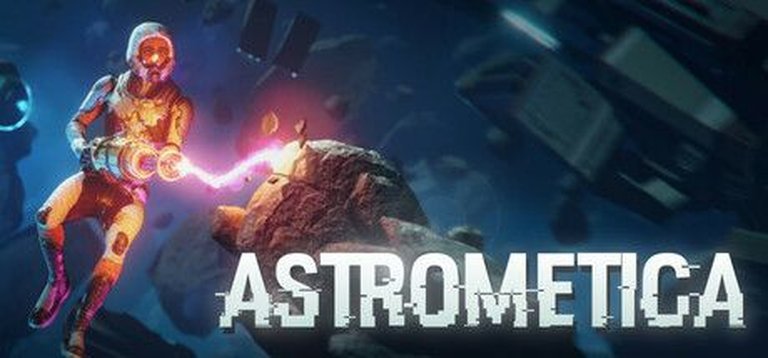
Astrometica is a space exploration and survival game set in a sci-fi universe where players must navigate the aftermath of a catastrophic explosion that destroys a mining space station. Awakening alone in an emergency pod, you drift through deep space, gathering resources, building modular bases, and uncovering the mysteries of the disaster. Exploration takes you through asteroid fields, abandoned stations, and cosmic anomalies, while resource management and technology upgrades are essential for survival. As you chart unknown regions, you piece together the story of the lost crew and the universe’s secrets.
Gameplay Videos
Where to Buy Astrometica
PC
Astrometica Guides & Walkthroughs
Astrometica Reviews & Reception
steamcommunity.com : Not much content, but it’s fun to play
steambase.io (84/100): Astrometica has earned a Player Score of 84 / 100.
vaporlens.app : Relaxing, enjoyable Subnautica-like space survival
playway.com (89/100): Astrometica is a space exploration and base-building survival game.
Astrometica Cheats & Codes
PC
Enter the code at the locked chest on Max Island.
| Code | Effect |
|---|---|
| 142141 | Unlocks the chest on Max Island |
Astrometica: A Cosmic Survival Odyssey in the Shadow of Subnautica
Introduction: A Familiar Yet Fresh Frontier
Astrometica (2024), developed by BeryMery and published by RockGame S.A., is a space survival game that wears its inspirations proudly on its sleeve. Dubbed by many as “Subnautica in space,” it transposes the beloved underwater survival formula into the cold, vast expanse of a cosmic asteroid field. The game’s premise is simple yet compelling: after a catastrophic explosion destroys a mining space station, you awaken alone in an emergency pod, drifting among the stars. Your mission? Survive, explore, and unravel the mysteries of a universe that feels both awe-inspiring and eerily desolate.
At its core, Astrometica is a love letter to survival crafting games, blending exploration, base-building, and resource management into a cohesive, if occasionally derivative, experience. While it doesn’t reinvent the wheel, it polishes it to a mirror shine, offering a refined and atmospheric take on a well-trodden genre. However, its early access state leaves it teetering between promise and potential, with a foundation that’s sturdy but in desperate need of expansion.
This review will dissect Astrometica from every angle—its development history, narrative depth, gameplay mechanics, artistic direction, and its place in the broader landscape of survival games. By the end, we’ll determine whether it’s a worthy successor to Subnautica or merely a cosmic echo of its predecessor.
Development History & Context: From Passion Project to Early Access
The Studio Behind the Stars: BeryMery’s Vision
BeryMery, the indie studio behind Astrometica, is a relatively unknown quantity in the gaming industry, but their ambition is palpable. The team’s stated goal was to create a survival experience that captures the isolation and wonder of space while refining the mechanics that made Subnautica a modern classic. In interviews and developer logs, they’ve emphasized their commitment to community feedback, a hallmark of successful early access titles.
The game entered Steam Early Access on December 10, 2024, with a roadmap promising regular updates, including new biomes, story content, and potential multiplayer features. The developers have been transparent about their intentions, noting that Astrometica is still a work in progress. This honesty has resonated with players, many of whom have praised the game’s polished state despite its incomplete nature.
Technological Constraints & Design Philosophy
Astrometica is built with modern engines (likely Unity or Unreal, though not explicitly stated), allowing for smooth performance and detailed environments. The game’s system requirements are modest by 2024 standards:
– Minimum: Intel Core i3 4XXX / AMD Ryzen 3, 16GB RAM, GTX 1660 Ti
– Recommended: Intel Core i5 4XXX / AMD Ryzen 5, RTX 2070 Ti
This accessibility ensures a broad audience can experience the game, though some players have reported minor technical hiccups, such as clipping issues and occasional physics glitches.
The developers’ design philosophy leans heavily into immersion and realism, with a focus on:
– Modular base-building (a la Subnautica’s habitat constructor)
– Resource scarcity (oxygen, power, and materials are constantly in demand)
– Environmental storytelling (logs, abandoned stations, and cosmic anomalies hint at a larger narrative)
The Gaming Landscape: Standing in Subnautica’s Shadow
Astrometica arrives in a crowded market of survival games, many of which owe a debt to Subnautica (2018). Titles like Breathedge (2021), Sunkenland (2023), and The Planet Crafter (2022) have already staked their claims in the “space survival” subgenre. What sets Astrometica apart is its unapologetic homage to Subnautica’s structure while attempting to carve its own identity through:
– A more desolate, empty cosmos (fewer biomes, less fauna)
– Streamlined crafting and progression (fewer redundant systems)
– A stronger emphasis on mystery (cosmic anomalies, alien artifacts)
However, this familiarity is a double-edged sword. While it makes the game immediately accessible to fans of the genre, it also invites comparisons that Astrometica doesn’t always win.
Narrative & Thematic Deep Dive: Isolation, Mystery, and the Void
Plot Overview: A Survivor’s Journey
The story of Astrometica begins with a catastrophic explosion aboard a deep-space mining station. You play as an unnamed astronaut (customization is minimal) who awakens in an emergency escape pod, adrift in an asteroid field. Your immediate goals are survival-oriented:
1. Gather resources (metals, gases, organic compounds)
2. Repair and upgrade your equipment (oxygen tanks, drills, scanners)
3. Explore derelict stations and wreckage to uncover clues about the disaster
4. Search for other survivors (though encounters are rare)
The narrative unfolds primarily through environmental storytelling:
– Audio logs left by missing crew members
– Scannable data fragments that reveal blueprints and lore
– Cosmic anomalies that hint at something otherworldly
Themes: Loneliness, Discovery, and the Unknown
Astrometica’s themes are deeply rooted in cosmic horror and existential isolation. The game’s setting—a barren asteroid field with scattered remnants of human activity—reinforces the idea that you are utterly alone in a universe that doesn’t care about your survival. This is amplified by:
– The absence of NPCs (no allies, no enemies beyond a few hostile creatures)
– The vast, empty void (unlike Subnautica’s teeming ocean life)
– The slow unraveling of a mystery (what caused the explosion? Are you truly alone?)
The game’s soundtrack, composed by Khosrow Zeynalnezhad, plays a crucial role in reinforcing these themes. The electronic score is haunting and atmospheric, evoking the same sense of dread and wonder as Subnautica’s iconic soundtrack. Tracks like “Drifting in the Void” and “Echoes of the Station” use synth waves and ambient drones to create an auditory experience that’s as immersive as the visuals.
Characters & Dialogue: The Silence of Space
One of Astrometica’s weaknesses is its lack of character development. Unlike Subnautica, which had a cast of voice-acted survivors (via radio transmissions), Astrometica relies entirely on text logs and environmental clues. While this approach fits the game’s isolated tone, it also makes the world feel less alive.
The few “characters” you encounter are:
– Fellow survivors (only referenced in logs; none are physically present in the current build)
– The original mining crew (their fate is hinted at but not resolved)
– A mysterious alien presence (teased but not explored in depth)
This narrative minimalism works in the game’s favor at times, allowing players to project their own stories onto the experience. However, it also means that Astrometica lacks the emotional punch of games like Subnautica or The Forest.
The Mystery: What Really Happened?
The game’s central mystery revolves around:
1. The explosion that destroyed the station (was it an accident, sabotage, or something else?)
2. The fate of the other survivors (are they dead, or have they been taken?)
3. The cosmic anomalies (are they natural phenomena or signs of an alien intelligence?)
As of the Early Access build, none of these questions are answered. The developers have stated that the full story will be expanded in future updates, but for now, players are left with more questions than answers—a frustrating but intentional choice to encourage replayability.
Gameplay Mechanics & Systems: Survival in the Stars
Core Gameplay Loop: Explore, Gather, Build, Survive
Astrometica’s gameplay follows a familiar survival crafting structure:
1. Explore the asteroid field, abandoned stations, and cosmic anomalies.
2. Gather resources (metals, silicon, organic compounds, gases).
3. Craft tools and upgrades (drills, oxygen tanks, vehicles).
4. Build and expand your base (modular habitats, power generators, automated miners).
5. Unlock new blueprints by scanning the environment.
6. Repeat, with each cycle allowing for deeper exploration and greater survival capabilities.
This loop is satisfying but repetitive, especially in the early hours. The game’s progression system is tied to:
– Scanner upgrades (allowing you to detect rare resources)
– Vehicle crafting (enabling faster travel and deeper exploration)
– Base automation (reducing the grind of resource collection)
Combat & Threats: A Mostly Peaceful Void
Unlike many survival games, Astrometica is not combat-heavy. The few threats you encounter include:
– A tentacle creature (resembling Subnautica’s Reaper Leviathan)
– Hostile alien entities (found in specific locations)
– Environmental hazards (asteroid collisions, oxygen depletion, power failures)
Combat is clunky and avoidable, with most players opting to flee rather than fight. This design choice reinforces the game’s focus on exploration and survival over action.
Base Building: Your Sanctuary in the Stars
Base construction is one of Astrometica’s strongest features. The system allows for:
– Modular room placement (habitats, labs, storage, power generators)
– Automated resource collection (mining drones, gas extractors)
– Customizable layouts (though clipping issues can occur)
Bases serve as:
– Safe zones (protected from environmental hazards)
– Research hubs (for unlocking new technologies)
– Mining outposts (for passive resource generation)
The lack of multiplayer means bases are purely functional rather than social spaces, which may disappoint some players.
Crafting & Progression: A Streamlined Approach
Crafting in Astrometica is intuitive but limited. The system includes:
– Basic tools (drills, lasers, scanners)
– Survival gear (oxygen tanks, radiation suits)
– Vehicles (small ships for faster travel)
– Base modules (walls, power sources, storage)
Unlike Subnautica, which had hundreds of craftable items, Astrometica keeps things simpler, which can feel both refreshing and restrictive. The blueprint system is tied to exploration, encouraging players to scan everything they encounter.
UI & Quality of Life: Functional but Unremarkable
The game’s UI is clean and functional, with:
– Inventory management (stacking system introduced in later updates)
– Crafting menus (easy to navigate)
– Map and scanner interfaces (useful for navigation)
However, some quality-of-life features are missing, such as:
– Quick-sort options for inventory
– Waypoint markers for key locations
– More detailed tooltips for new players
World-Building, Art & Sound: The Aesthetics of Isolation
Setting & Atmosphere: The Beauty of the Void
Astrometica’s world is visually stunning, with:
– Detailed asteroid fields (each rock feels unique)
– Abandoned space stations (eerie and atmospheric)
– Cosmic anomalies (glowing rifts, alien structures)
The game’s art direction is heavily inspired by Subnautica, with:
– Sleek, futuristic tools (drills, scanners, vehicles)
– Modular base designs (transparent domes, metal corridors)
– Soft, luminous lighting (creating a sense of warmth in the cold void)
However, the lack of vibrant ecosystems makes the world feel empty at times. Unlike Subnautica’s bustling reefs and leviathan-infested trenches, Astrometica’s asteroid field is largely lifeless, which can be both immersive and alienating.
Sound Design: The Symphony of Silence
The game’s audio design is one of its strongest aspects. The soundtrack, composed by Khosrow Zeynalnezhad, is:
– Ambient and electronic (evoking Mass Effect and Dead Space)
– Dynamic (changing based on exploration and danger)
– Immersive (enhancing the sense of isolation)
Sound effects are crisp and realistic, with:
– The hum of machinery (your tools, base systems)
– The echo of footsteps (in empty stations)
– The distant rumble of cosmic anomalies
The lack of voice acting is noticeable, but the text logs are well-written, providing enough narrative context to keep players engaged.
Reception & Legacy: A Promising but Incomplete Experience
Critical & Commercial Reception
As of January 2026, Astrometica has received:
– Steam Reviews: Very Positive (84/100, 2,840 reviews)
– Player Sentiment: Mostly positive, with praise for its polish, atmosphere, and potential
– Criticisms: Lack of content, repetitive gameplay, and unanswered story questions
Players have compared it favorably to Subnautica but note that it doesn’t yet reach the same depth. The Early Access model has worked in its favor, with the developers actively engaging with the community to shape future updates.
Influence & Future Potential
Astrometica’s legacy will depend on:
1. How much content is added post-launch (new biomes, story resolutions, creatures)
2. Whether multiplayer is implemented (a frequently requested feature)
3. How well it differentiates itself from Subnautica and other survival games
If the developers deliver on their roadmap, Astrometica could become a standout title in the space survival genre. If not, it risks being remembered as “just another Subnautica clone.”
Conclusion: A Cosmic Survival Game with Room to Grow
Astrometica is a well-crafted, atmospheric survival game that successfully captures the isolation and wonder of space exploration. Its polished mechanics, immersive soundtrack, and strong environmental storytelling make it a compelling experience for fans of Subnautica and similar games. However, its lack of originality, repetitive gameplay loop, and unfinished narrative hold it back from greatness.
Final Verdict: 7.5/10 – A Promising Star in Early Access
Pros:
✅ Immersive space atmosphere (soundtrack, visuals, and setting)
✅ Polished survival mechanics (crafting, base-building, exploration)
✅ Strong potential for expansion (Early Access roadmap is ambitious)
Cons:
❌ Lacks originality (heavily inspired by Subnautica)
❌ Repetitive gameplay (grinding for resources can feel tedious)
❌ Unfinished story (many mysteries remain unresolved)
Who Should Play It?
- Fans of Subnautica and space survival games
- Players who enjoy base-building and exploration
- Those willing to support an Early Access title with potential
Who Should Wait?
- Players seeking a complete, narrative-driven experience
- Those who dislike repetitive survival mechanics
- Gamers looking for multiplayer or deep combat systems
Astrometica is not a revolutionary game, but it doesn’t need to be. It’s a refined, atmospheric survival experience that, with time and updates, could evolve into something truly special. For now, it’s a solid foundation—one that’s well worth keeping an eye on as it continues to grow.
Final Score: 7.5/10 – “A cosmic survival game with potential as vast as the stars.” 🚀