
- Release Year: 2015
- Platforms: PlayStation 3, PlayStation 4, PS Vita, Windows
- Publisher: Koei Tecmo America Corp., Koei Tecmo Europe Ltd., Koei Tecmo Games Co., Ltd.
- Developer: Gust, Tecmo Koei Games Co., Ltd.
- Genre: Role-playing (RPG)
- Perspective: Behind view
- Game Mode: Single-player
- Gameplay: Alchemy, Crafting, Exploration, Japanese-style RPG (JRPG), Synthesis, Turn-based combat
- Setting: Fantasy
- Average Score: 68/100
Description
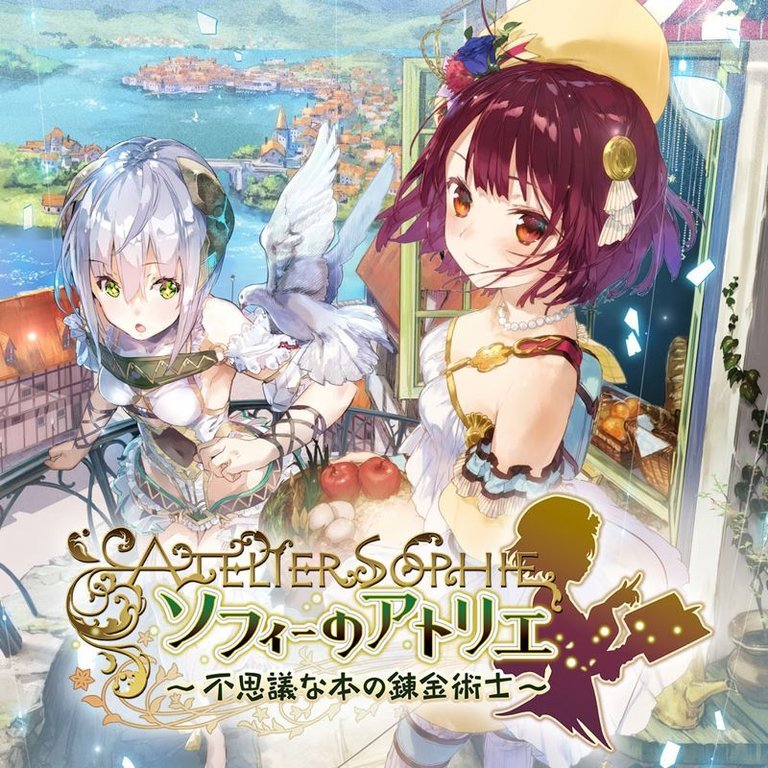
In Atelier Sophie: The Alchemist of the Mysterious Book, novice alchemist Sophie Neuenmuller discovers a mysterious talking book in her small fantasy town that houses the amnesiac soul of the legendary alchemist Platcha, promising powerful alchemy secrets. To restore Platcha’s memories, Sophie gathers ingredients influenced by day-night cycles and weather, synthesizes items via an interactive grid-based alchemy system, engages in turn-based combat with a innovative stance mechanic, builds friendships to unlock bonuses, and progresses through hint-guided adventures without overarching time limits.
Gameplay Videos
Where to Buy Atelier Sophie: The Alchemist of the Mysterious Book
PC
Atelier Sophie: The Alchemist of the Mysterious Book Free Download
Atelier Sophie: The Alchemist of the Mysterious Book Cracks & Fixes
Atelier Sophie: The Alchemist of the Mysterious Book Mods
Atelier Sophie: The Alchemist of the Mysterious Book Guides & Walkthroughs
Atelier Sophie: The Alchemist of the Mysterious Book Reviews & Reception
metacritic.com (75/100): Gust’s first foray on the PS4 with their flagship Atelier title is a rousing success.
Atelier Sophie: The Alchemist of the Mysterious Book: Review
Introduction
Imagine stumbling upon a dusty tome in your grandmother’s atelier that suddenly springs to life, whispering secrets of forgotten alchemy while promising untold power—if only you can fill its blank pages with recipes born of trial, error, and whimsy. This is the enchanting hook of Atelier Sophie: The Alchemist of the Mysterious Book, Gust’s bold reinvention of its long-running Atelier series. Released in 2015 as the 17th mainline entry and the genesis of the “Mysterious” trilogy, it marked a pivotal shift from the time-pressured escapades of prior arcs like Arland and Dusk, embracing a more leisurely rhythm that prioritizes cozy crafting, character bonds, and pastoral discovery. As a cornerstone of JRPG evolution, Sophie thesis stands firm: by stripping away artificial urgency and amplifying alchemy’s tactile joy, Gust crafted a serene yet deeply addictive experience that redefined the series’ identity, proving that not every hero’s tale needs to end in world-saving apocalypse.
Development History & Context
Gust, the Kyoto-based studio founded in 1993 and acquired by Koei Tecmo in 2011, had honed its alchemy-centric JRPG formula across 16 titles since Atelier Marie in 1997. Sophie emerged under director and designer Yoshito Okamura, who sought to “rebuild alchemy from the ground up” amid the twilight of the PS3 era and dawn of PS4. Announced via Weekly Famitsu and Dengeki PlayStation previews in June 2015—following trademarks filed by Koei Tecmo—the game was positioned as a “next generation” pivot, ditching rigid time limits (a staple since Rorona) for dynamic day/night cycles and weather systems.
Technological constraints were evident: the PS3 version (Japan-only) prioritized cross-gen compatibility, resulting in cel-shaded visuals that felt dated on PS4 at launch, with wooden animations and antiqueload effects critiqued by outlets like 4Players.de. PS Vita got a digital-only port, while PC followed in 2017. Development delays, shared with Gust’s Nights of Azure, focused on graphical polish. Innovative dual-artist approach—Yuugen (Bravely Default) for Sophie and core cast, Noco (KanColle) for others—infused a “mysterious image,” the first multi-illustrator effort in the series. Composers like Ryudai Abe and Haruka Shimotsuki crafted a lush soundtrack blending pastoral whimsy and tense battles.
In the 2015 landscape, amid Fallout 4‘s open-world sprawl and The Witcher 3‘s narrative heft, Sophie carved a niche for “cozy JRPGs.” Koei Tecmo’s Western publishing debut (replacing NIS America) targeted global audiences, launching on PS4/Vita in June 2016 (NA/EU), with a DX enhanced edition in 2021 bundling DLC like the “Hidden Archive” bonus dungeon.
Narrative & Thematic Deep Dive
Atelier Sophie‘s plot unfolds in Kirchen Bell, a rain-kissed hamlet on alchemy’s cusp, where novice Sophie Neuenmuller—cheerful slacker, poor housekeeper, innate combiner of materials—inherits her grandmother’s atelier. Her breakthrough synthesizing medicine awakens Plachta, a sentient book with amnesia, whose pages fill as Sophie inscribes recipes, unearthing memories of her human past and a legendary Cauldron of Knowledge granting alchemy to all.
Core Plot Arcs and Twists
Early acts focus on Sophie’s growth: gathering under sun-dappled trees, battling Punis (cute slimes), and aiding townsfolk via requests. Childhood friends Monika Ellmenreich (sword-wielding songbird) and Oskar Behlmer (plant-whispering optimist) anchor her party. Allies like duplication-shrinking Corneria, gun-toting clockmaker Harol, spear-throwing tailor Leon (née Amelia Leonmeyer), knight Julio, and puppeteer Fritz join, unlocked via friendship bonds. Plachta’s “Dollmake” customization evolves her from book to silver-haired mentor, voiced soulfully by Yuka Iguchi.
Mid-game escalates: Sophie doll-crafts Plachta’s body (with Fritz’s puppets, Harol’s springs, Leon’s garb), confronting ethical alchemy quandaries. The twist—Meklet and Atomina as split souls of 500-year-old villain Luard—exposes “Ablation Alchemy,” a nature-exhausting shortcut Sophie unwittingly aids. Luard’s Cauldron quest births a Heroic Fantasy climax: ecosystem peril, soul transference, and boss rush averting apocalypse, subverting the tagline “It’s not always about saving the world.”
Themes: Harmony, Growth, and Responsibility
Themes pivot on Harmony Versus Discipline: Sophie’s intuitive, nature-attuning alchemy contrasts Luard’s forceful Ablation, echoing real-world environmentalism. Bonds drive progression—friendship levels unlock combat bonuses, party members, gifts—emphasizing For Happiness over mastery (To Be a Master). Sophie’s arc from sloppy novice to altruistic virtuoso embodies Comes Great Responsibility, her “help others” ethos triumphing via Right Makes Might. Subtle Ambiguously Christian motifs (church, nuns) frame alchemy as divine gift. Dialogue sparkles with humor—Plachta’s deadpan, Sophie’s “Barrel!” gags—balancing cozy slice-of-life with poignant loss fears, culminating in Sophie’s vow to surpass Plachta.
Critics noted “weak story” (Hey Poor Player), yet its character-driven intimacy shines, bridging low-stakes pastoralism to trilogy-spanning lore.
Gameplay Mechanics & Systems
Sophie’s loops revolve around alchemy as core pursuit, combat as means, exploration as delight.
Alchemy Overhaul
A Tetris-esque puzzle: drag shaped, colored orbs (ingredients) onto a cauldron grid. Overlaps merge traits (e.g., Quality Up, Critical); colors/effects bonus-panel fills yield exponential potential. Five steps—cauldron select (e.g., Expert’s quality boost, time limit), ingredients, arrangement, bonus review, trait lock—offer freedom. Recipes unlock via “ideas” from gathering/battles/events; chains demand pen-and-paper planning. “Dollmake” customizes Plachta; fatigue (LP) gates overexertion.
Combat: Stance-Driven Turns
Round-based with Visual Initiative Queue: pre-set Offensive/Defensive stances auto-trigger aids (bonus attacks/blocks). Chain Gauge fills via hits/items/skills, enabling Links—Offense Acts (2 allies), Special Attacks (3+), Guards. Break Meters stun foes for crits; items (bombs, heals) shine, Sophie using all. Post-20 levels grant skill points; respawns are lenient (Death Is a Slap on the Wrist).
Exploration and Progression
Day/night/weather cycles alter spawns (night monsters fiercer), NPC schedules, shops. World map travel costs LP; requests/rumors (Horst’s café) yield cole/vouchers. Friendship chats unlock allies/bonuses; areas respawn tougher post-clear. UI: menu-driven, intuitive yet dense—Guide Dang It! for chains/Breaks.
Flaws: Repetitive early-game, PS4 port’s clunky UI. Strengths: Addictive loops, Anti-Frustration (Corneria’s dupes, free Well Water).
| Mechanic | Innovation | Flaw |
|---|---|---|
| Alchemy | Puzzle freedom, trait depth | Chain complexity |
| Combat | Stance synergy, item focus | Boss immunities |
| World | Dynamic cycles | Slow pacing pre-unlocks |
World-Building, Art & Sound
Kirchen Bell’s outskirts evoke pastoral idyll: rustling trees, bird song, rain-slick paths to Sophie’s cluttered atelier. Fields shift—morning blooms, night horrors—fostering Small Town Boredom turned wonder. Expansive map hides rumors (Gold Puni farms), bonus dungeons like DLC Hidden Archive.
Visuals: Anime/manga cel-shading by dual artists yields adorable designs (Sophie’s sunny bob, Plachta’s ethereal silver). PS4 version’s “trostlos” (dreary) backdrops, hölzern animations (4Players) betray PS3 roots; character models shine. Modesty shorts avert Stripperiffic excess.
Sound: Composed by Ryudai Abe et al., OST blends whimsical (木漏れ日のカンパネラ) and epic (Lilea Xea). Battle themes adapt by difficulty; full Japanese VO (Yuuka Aisaka’s bubbly Sophie) enhances charm. Rurutia/Haruka Shimotsuki vocals elevate inserts.
Elements coalesce into cozy immersion: time’s passage mirrors Sophie’s growth, alchemy’s tactility grounding fantasy.
Reception & Legacy
Launch scores averaged 80% critics (MobyGames), Metacritic PS4 75 (“generally favorable”), PC 73 (“mixed”). Famitsu: 33/40. Praises: “Wonderfully done” alchemy (Handheld Players 90%), “addictive loop” (Game Hoard 71%), casual appeal (Video Chums 89%). Critiques: “Schwacher Story” repetition (Gamer’s Palace 77%), dated tech (RPG Site 70%, 4Players 60%).
Commercially: 68k first-week JP physical; 170k Asia by 2016; 400k shipped by 2021. #521 PS4 (Moby), cult hit for cozy fans.
Legacy: Pioneered time-free Atelier, influencing Mysterious trilogy (Firis, Lydie & Suelle), DX (2021 w/ new episode), Sophie 2 (2022). PC port/DX expanded access; trilogy pack cemented influence on “slice-of-life JRPGs” like Rune Factory. Evolved series from niche to 20+ million sales milestone.
Conclusion
Atelier Sophie masterfully alchemizes Gust’s formula into gold: a puzzle-box of traits and bonds, wrapped in Kirchen Bell’s gentle embrace. Its innovations—puzzle synthesis, stance combat, living world—outweigh dated visuals and pacing hiccups, birthing a trilogy-defining gem. As JRPG historian, I decree it essential: not just a cozy respite amid genre bombast, but a timeless testament to alchemy’s quiet power—helping others, one recipe at a time. Verdict: 8.5/10 – Masterwork of the Mysterious. Play it for the whimsy; master it for history.