
- Release Year: 2016
- Platforms: Blacknut, Windows
- Publisher: Just For Games SAS, Kiro’o Games, Plug In Digital SAS
- Developer: Kiro’o Games
- Genre: Action
- Perspective: Side view
- Game Mode: Single-player
- Gameplay: Action RPG, Japanese-style RPG, JRPG
- Setting: Africa, Fantasy
- Average Score: 82/100
Description
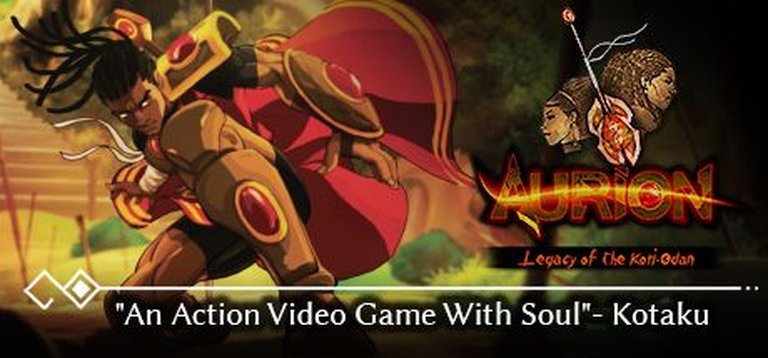
Aurion: Legacy of the Kori-Odan is an African Fantasy action RPG set in a vibrant, lore-rich world inspired by African mythology. Players follow Enzo Kori-Odan, a deposed king betrayed on his coronation day, who must master the ancestral energy known as Aurion to reclaim his throne alongside his queen, Erine. The game blends exploration, narrative-driven quests, and dynamic combat where harnessing Aurion powers enables flashy, combo-driven battles. Though praised for its original setting, artistic direction, and engaging story, the game faces critique for technical imperfections like collision bugs and localization inconsistencies—reflecting its ambitious indie roots.
Gameplay Videos
Where to Buy Aurion: Legacy of the Kori-Odan
PC
Aurion: Legacy of the Kori-Odan Cracks & Fixes
Aurion: Legacy of the Kori-Odan Guides & Walkthroughs
Aurion: Legacy of the Kori-Odan Reviews & Reception
metacritic.com (88/100): Aurion: Legacy of the Kori-Odan is an incredible game in several respects.
rockpapershotgun.com : Aurion is pretty damn fun.
opencritic.com (70/100): While it does sound like Aurion: Legacy of the Kori-Odan has a lot of negative aspects to it, it is still a very good game overall in the end.
rpgfan.com (88/100): Aurion: Legacy of the Kori-Odan is an incredible game in several respects.
Aurion: Legacy of the Kori-Odan: A Pioneering African Fantasy Epic
Introduction
Aurion: Legacy of the Kori-Odan is not just a game—it’s a cultural landmark. Developed by Cameroonian studio Kiro’o Games, this 2016 action RPG shattered conventions by centering African mythology in a genre dominated by Eurocentric tropes. Set in the vibrant world of Auriona, the game follows deposed king Enzo Kori-Odan and his queen, Erine, as they navigate political upheaval, ancestral power, and existential duty. This review explores how Aurion balances ambition and imperfection, carving a unique niche in gaming history as both a narrative triumph and a testament to the resilience of indie development.
Development History & Context
A Studio Forged Against the Odds
Kiro’o Games, founded in 2003 by Olivier Madiba, emerged from Yaoundé, Cameroon—a region devoid of a gaming industry. The team, largely self-taught, spent over a decade honing their craft, battling limited resources and infrastructure. Madiba’s vision was audacious: to create a fantasy RPG rooted in African traditions, countering the genre’s Eurocentric norms.
Crowdfunding and Industry Validation
In 2015, a Kickstarter campaign raised €49,775, falling short of stretch goals like PlayStation 4 localization but securing collaboration with industry veterans like Paul Bertone (ex-Halo designer). The game’s 2016 release via Steam, published by Plug-In Digital, marked a historic milestone as Central Africa’s first commercial video game.
A Revolutionary Context
Aurion arrived during a global push for diverse storytelling in games. Its premise—a fantasy Africa unburdened by colonialism—subverted expectations, drawing comparisons to Dust: An Elysian Tail and Tales of Destiny while offering a wholly unique perspective.
Narrative & Thematic Deep Dive
A Tale of Exile and Legacy
The story begins with Enzo’s coronation-day coup orchestrated by his brother-in-law, Ngarba. Exiled alongside Erine, Enzo must reclaim his throne by forging alliances across six continents, each reflecting distinct African cultures. Their journey interrogates power dynamics, moral responsibility, and the weight of legacy, rejecting simplistic “chosen one” narratives.
Characters Anchored in Humanity
Enzo and Erine shine as flawed, evolving protagonists. Their partnership—rooted in mutual growth—avoids tired tropes, with Erine emerging as both a emotional anchor and combat powerhouse. Supporting characters, like the griot Eniki and warrior-queen Dhekina, enrich the narrative with cultural wisdom and political intrigue.
Themes of Unity and Existentialism
Aurion explores African identity through allegory: the “Aurion” energy symbolizes collective will, while the planet Auriona’s fractured nations mirror real-world postcolonial struggles. The script grapples with existential questions—what does it mean to lead? To sacrifice?—without offering easy answers.
Gameplay Mechanics & Systems
Combat: A Dance of Ancestral Power
Inspired by Tales of Destiny, battles blend side-scrolling brawling with RPG depth. Enzo chains combos, dashes, and blocks, while Erine supports with healing and area spells. The Aurionic system lets players summon ancestral spirits, unlocking elemental abilities (fire, lightning, earth) and fusion-based ultimates.
Strengths and Shortcomings
The combat dazzles in boss fights, where Aurionic duels evoke Dragon Ball Z-esque clashes. However, pacing falters: enemy HP pools are bloated, and repetitive encounters tire players. The fusion system, while innovative, suffers from unclear tutorials, leaving mechanics like “Caaro Aargudan” underutilized.
Exploration and Progression
The 2D world evokes retro charm with semi-top-down villages and sprawling dungeons. Platforming segments, though mostly fluid, stumble with finicky wall-scaling sections. RPG staples—leveling, gear, and food crafting—are competently executed but lack depth compared to genre giants.
World-Building, Art & Sound
A Living Tapestry of African Fantasy
Auriona’s continents—from the lush Zama to the volcanic Bojaa—burst with color and lore. Architecture and clothing draw from the Maasai, Yoruba, and Tuareg cultures, while mythical beasts like the Corocotta reimagine African folklore.
Visual Splendor
Georges Pondy’s art direction melds anime flair with traditional motifs. Cutscenes blend hand-drawn stills and dynamic animations, though environmental textures occasionally feel sparse. The UI, adorned with tribal patterns, reinforces the game’s cultural identity.
A Symphony of Heritage
Composers Yean Yves Bassangna and James Thorley weave drums, flutes, and choral harmonies into a score that oscillates between meditative and epic. Voice acting (in French and Bassa dialects) lends authenticity, despite occasional stilted delivery.
Reception & Legacy
Critical and Commercial Impact
Aurion earned a Metascore of 70 (OpenCritic) and an 82% “Very Positive” Steam rating. Critics lauded its ambition and artistry but critiqued technical flaws—long load times, translation errors, and combat imbalances. Financially, it found steady success, peaking a year post-launch, with the U.S., France, and Germany as key markets.
A Cultural Beacon
Beyond metrics, Aurion inspired a generation of African developers. It proved that “African fantasy” could resonate globally, paving the way for titles like Ikenga: Shadows of the Ancients. Its 2024 retrospective on Games Industry Africa affirmed its enduring influence.
Conclusion
Aurion: Legacy of the Kori-Odan is a flawed masterpiece—a game that dares to redefine whose stories matter in RPGs. Its combat thrills despite jank, its narrative soars despite rough edges, and its art radiates passion. For Kiro’o Games, this was never just a game; it was a declaration that African creativity belongs on the global stage. While not every system shines, Aurion remains essential playing for RPG enthusiasts and historians alike—a bold first step toward a more inclusive gaming canon.
Final Verdict: A visionary, if imperfect, triumph that deserves its place in the annals of indie gaming history.