
- Release Year: 2005
- Platforms: Linux, Macintosh, Windows
- Publisher: Compiler Software
- Developer: Compiler Software
- Genre: Action
- Perspective: 3rd-person
- Game Mode: Single-player
- Gameplay: Combat, Exploration, Puzzle solving
- Setting: Arab palace, Maze-like environment
- Average Score: 60/100
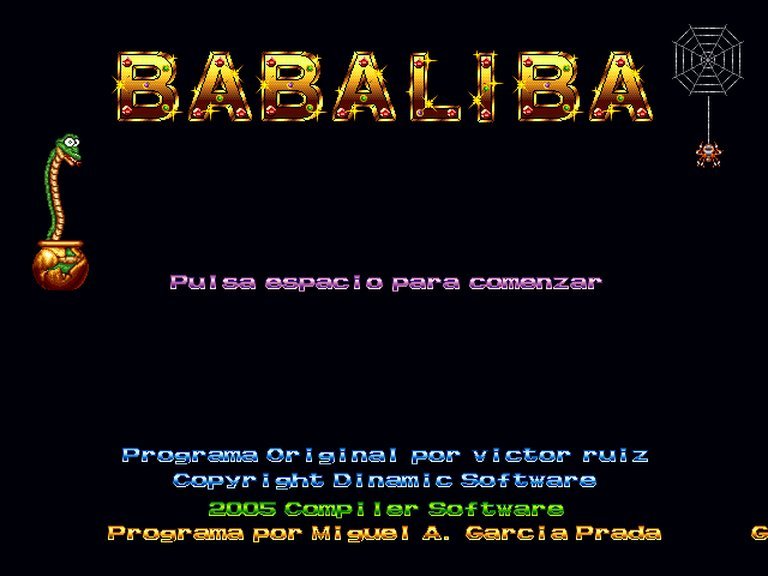
Description
Babaliba is a freeware remake of the 1984 Spanish action-adventure game, updated with modern graphics and sound while preserving the original’s distinctive style and gameplay. Players assume the role of an archaeologist navigating maze-like Arab palace gardens, solving puzzles by collecting keys and items while avoiding foes like Moorish guards and giant crabs. Strategic use of limited bombs adds tension, as players must evade explosions while working to rescue a prisoner, kidnap a princess, and steal royal treasure across vibrant, danger-filled environments.
Babaliba Patches & Updates
Babaliba Reviews & Reception
cpcgamereviews.com (60/100): The gameplay feels rather dated, and the way enemies are placed randomly on each screen means you’ll be spending a lot of time flicking back and forth between screens until they’re out of your way, instead of trying to find a path around them.
Babaliba: Review
Babaliba, an open-source, freeware remake of the 1984 Spanish action-adventure game, stands as a testament to the enduring appeal of retro gaming. Originally developed by Víctor Ruiz Tejedor, the founder of Dinamic Software, Babaliba has been meticulously recreated by Compiler Software, preserving the original’s charm while updating it for modern audiences. This review delves into the game’s development history, narrative depth, gameplay mechanics, world-building, and its enduring legacy in the gaming community.
Development History & Context
The Studio and Creators’ Vision
Babaliba was initially released in 1984 for the ZX Spectrum, a platform known for its vibrant and creative gaming scene. Dinamic Software, under the leadership of Víctor Ruiz Tejedor, was a pioneer in the Spanish software industry, producing a trilogy of games starring the adventurer Johnny Jones. Babaliba, the second installment in this trilogy, followed Saimazoom and was succeeded by Abu Simbel Profanation. The game’s fast-paced action and colorful graphics were groundbreaking for the era, setting a high standard for adventure games on the Spectrum.
Technological Constraints and Gaming Landscape
The original Babaliba was developed during a time when technological constraints were significant. The ZX Spectrum’s limited graphical and audio capabilities required developers to be highly creative and efficient. Despite these limitations, Dinamic Software managed to create a game with large, colorful sprites and a frenetic pace, which was quite impressive for the time. The gaming landscape in the mid-1980s was dominated by arcade-style games and early home computer adventures, making Babaliba a standout title with its unique blend of action and puzzle-solving.
Narrative & Thematic Deep Dive
Plot and Characters
Babaliba’s narrative is a classic adventure tale, reminiscent of 1950s Hollywood films and the Indiana Jones series. The player controls Johnny Jones, an archaeologist tasked with rescuing a fellow prisoner, kidnapping the sultan’s daughter, and stealing the royal treasure from an Arab palace. The game’s setting is rich with exotic locales and dangerous enemies, including Moorish guards, giant crabs, and poisonous spiders.
The plot is straightforward but engaging, with a clear sense of purpose and direction. Johnny Jones is the quintessential hero, brave and resourceful, navigating through treacherous environments to achieve his goals. The sultan’s daughter, while not a central character, adds a layer of intrigue and romance to the story.
Dialogue and Themes
Dialogue in Babaliba is minimal, focusing more on action and exploration than on character development. The game’s themes revolve around adventure, bravery, and the pursuit of treasure. The narrative is driven by the player’s actions rather than dialogue, making it a more immersive experience.
The game’s themes of adventure and discovery are timeless, appealing to players who enjoy exploring new worlds and overcoming challenges. The exotic setting and dangerous enemies add to the sense of adventure, making Babaliba a thrilling experience from start to finish.
Gameplay Mechanics & Systems
Core Gameplay Loops
Babaliba’s core gameplay loop involves navigating maze-like environments, collecting keys and other useful objects, and avoiding or defeating enemies. The game’s puzzle elements are integrated seamlessly into the action, requiring players to think strategically and plan their moves carefully.
The player controls Johnny Jones from a third-person perspective, moving him through the palace’s gardens and rooms. The game’s controls are simple and intuitive, allowing for quick and precise movements. The player can carry a limited number of bombs, which can be used to destroy enemies on the screen. However, the player must be careful not to get caught in the explosion, as this will result in instant death.
Combat and Character Progression
Combat in Babaliba is straightforward but challenging. Enemies are randomly placed on each screen, requiring players to be vigilant and adaptable. The player can use bombs to clear the screen of enemies, but this strategy comes with risks. The player must also manage their inventory carefully, ensuring they have the right keys and objects to progress through the game.
Character progression in Babaliba is minimal, focusing more on the player’s skills and strategies than on character development. The game’s difficulty increases as the player progresses, requiring them to adapt and improve their tactics.
User Interface
The user interface in Babaliba is simple and effective, providing the player with all the necessary information without cluttering the screen. The game’s HUD includes a health bar, bomb counter, and inventory display, allowing the player to keep track of their status and resources at all times.
World-Building, Art & Sound
Setting and Atmosphere
Babaliba’s setting is a richly detailed Arab palace, filled with exotic gardens, treacherous rooms, and dangerous enemies. The game’s atmosphere is one of adventure and danger, with a sense of mystery and intrigue pervading every screen. The palace’s maze-like layout adds to the sense of exploration, encouraging players to discover new paths and secrets.
Visual Direction
The game’s visuals are a significant improvement over the original, with enhanced assets that bring the game’s world to life. The palace’s gardens and rooms are beautifully rendered, with vibrant colors and detailed textures. The game’s sprites are large and expressive, capturing the essence of the original while updating it for modern audiences.
Sound Design
The game’s sound design is equally impressive, with a jolly but repetitive tune that accompanies the player throughout their adventure. The sound effects are crisp and clear, adding to the game’s immersive atmosphere. The game’s music and sound effects work together to create a cohesive and engaging audio experience.
Reception & Legacy
Critical and Commercial Reception
Babaliba received mixed reviews upon its release, with critics praising its visuals and gameplay but noting its dated mechanics and repetitive music. The game’s lack of critical and commercial success at launch is likely due to its niche appeal and the challenges of updating a retro game for modern audiences.
Evolution of Reputation
Despite its initial reception, Babaliba has gained a cult following over the years, with fans appreciating its unique blend of action and puzzle-solving. The game’s legacy has been preserved and expanded through various remakes and ports, including the 2005 open-source remake by Compiler Software.
Influence on Subsequent Games
Babaliba’s influence can be seen in numerous adventure games that followed, particularly those that blend action and puzzle-solving. The game’s fast-paced gameplay and exotic setting have inspired countless developers, contributing to the evolution of the adventure genre.
Conclusion
Babaliba is a classic adventure game that has stood the test of time. Its unique blend of action and puzzle-solving, combined with its richly detailed world and engaging narrative, make it a standout title in the genre. While its initial reception was mixed, the game’s legacy has been preserved and expanded through various remakes and ports, ensuring that its influence will be felt for generations to come. For fans of retro gaming and adventure games, Babaliba is a must-play title that offers a thrilling and immersive experience.