
- Release Year: 2019
- Platforms: Nintendo Switch, PlayStation 4, Windows, Xbox One, Xbox Series
- Publisher: AMATA K.K.
- Genre: Action
- Perspective: Side view
- Game Mode: Single-player
- Gameplay: Platform, Puzzle elements
- Setting: Fantasy
- Average Score: 81/100
Description
Backpack Twins is a challenging single-player puzzle platformer set in a whimsical fantasy world where players control two twins, swapping between them to solve environmental puzzles and navigate treacherous terrain. With precise controls and retro-inspired visuals, the game combines platforming action with brain-teasing obstacles, requiring careful timing and coordination to avoid hazards, collect hidden items, and unlock achievements. Designed for speedrunning and featuring accessibility options, it offers a blend of humor and old-school difficulty across multiple languages and platforms.
Gameplay Videos
Where to Buy Backpack Twins
PC
Backpack Twins Mods
Backpack Twins Guides & Walkthroughs
Backpack Twins Reviews & Reception
metacritic.com (70/100): If you have a spare twenty minutes to kill, Backpack Twins will allow you to make a bit of progress towards full completion, wasting a bit of time in the process.
Backpack Twins: Review
Introduction
A Love Letter to Precision and Perseverance
In an era dominated by AAA blockbusters and live-service behemoths, Backpack Twins (2019) stands as a defiant testament to the purity of indie design: minimalist, brutally fair, and mechanically ingenious. Developed by solo creator Ima Bryn and later ported by Tokyo-based publisher AMATA K.K., this puzzle-platformer distills the essence of classic mascot-driven adventures into a razor-sharp experiment in dual-character control. Its thesis is uncompromising: coordination is survival. Through meticulously crafted levels that demand pixel-perfect execution and cerebral problem-solving, Backpack Twins carves a niche as both a nostalgic homage and a modern-day crucible for platforming devotees.
Development History & Context
From Solo Vision to Global Ports
Backpack Twins began as a passion project by Tomás de Vicente (operating under the pseudonym Ima Bryn), built using GameMaker Studio—a fitting choice for its 2D, sprite-driven ethos. As chronicled in developer logs on the GameMaker Community forum, the game evolved through rigorous iteration. Early alpha builds focused on a combat-heavy structure before Bryn stripped mechanics down to a surgical core: switching control between two backpack-laden twins to navigate environmental puzzles.
Released on Steam in August 2019, the PC version garnered modest attention for its “hard but fair” ethos, evoking comparisons to Celeste and VVVVVV. AMATA K.K.—a Tokyo studio with decades of porting experience—later expanded its reach, adapting it for Xbox, PlayStation, and Nintendo Switch between 2022–2023. These ports introduced multilingual support and accessibility options (e.g., left/right-handed gamepad layouts) but preserved Bryn’s original vision.
Technologically, the game is rooted in retro constraints: 2D side-scrolling, chiptune-inspired audio, and a steadfast 60 FPS focus. Yet it subtly modernizes the formula with Steam Cloud saves, achievements, and a Super Mario World-style overworld map—proof that limitations can fuel creativity rather than stifle it.
Narrative & Thematic Deep Dive
Humor as Armor Against Despair
Storytelling in Backpack Twins is deliberately minimalist, channeling its energy into environmental wit rather than exposition. Players control unnamed, identical twins distinguished only by their color-coded backpacks (red and blue), navigating surreal traps across abstract biomes—lava-filled caverns, clockwork dungeons, and haunted castles. The narrative pretext is incidental: survive, solve, and escape.
Yet humor permeates every pixel. The twins’ facial hair grows progressively bushier as playtime accumulates—a visual gag mocking the player’s inevitable deaths. Quippy achievement names (“Twinborne,” “Twins Die Twice”) and a self-aware Steam description (“Humor! (Not guaranteed)”) underscore the game’s refusal to take itself seriously. Thematically, it explores interdependence; though controlled solo, success hinges on treating the twins as symbiotic entities. One cannot advance without the other—a subtle metaphor for collaboration in isolation.
Gameplay Mechanics & Systems
A Symphony of Switches and Sacrifices
At its core, Backpack Twins is a masterclass in mechanical elegance. Players toggle between twins using a single button (default: Y/X on controllers), leveraging their unique positions to activate switches, evade traps, or form human ladders via backpack-stomping. Key systems include:
- Precision Platforming: Jump arcs, collision, and momentum adhere to stringent “Nintendo-hard” rules. Hazards like retractable spikes and lava flows demand frame-perfect timing, evoking Super Meat Boy’s masochistic charm.
- Puzzle Sequencing: Later levels introduce multi-layered challenges—e.g., one twin must freeze a moving platform while the other crosses, requiring rapid swaps mid-air.
- Meta-Progression: Collectible “Things” (hidden trinkets) unlock bonus content, while per-level time/death counters cater to speedrunners. Completionists face an “extra level” so brutal that only 7% of players (per achievement stats) conquer it.
- Checkpoint Innovation: Checkpoints only activate when both twins touch them simultaneously—forcing players to prove they’ve mastered a section before progressing.
Flaws emerge in balance: early difficulty spikes (notably a spike-dodge sequence in the demo) frustrated testers, prompting Bryn to reorganize levels post-feedback. Yet the controls—responsive and customizable—remain a triumph, with Steam reviewers praising their “tightness.”
World-Building, Art & Sound
A Charming Descent into Madness
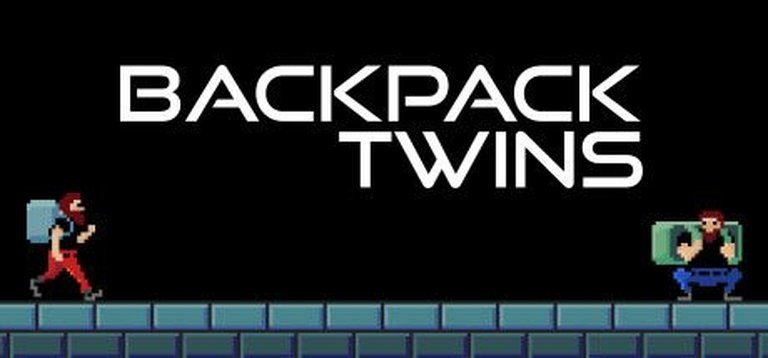
Visually, Backpack Twins adopts a crisp, minimalist pixel-art style. Environments shift from earthy caves to sterile laboratories, each biome color-coded to signal new mechanics (e.g., lava zones introduce heat-rising physics). The twins’ animations are delightfully exaggerated—limbs flail during falls, eyes bulge near hazards—infusing menace with levity.
Sound design is equally strategic: metallic clangs signal spike traps, while ambient drips in caves build tension. Though no OST credits exist, the chiptune tracks mirror Shovel Knight’s upbeat retro energy, counterbalancing the game’s punitive tone. AMATA’s press kit highlights “retro vibes” as a selling point, and rightfully so: this is a world that feels lived-in, despite its abstract leanings.
Reception & Legacy
Cult Adoration Amidst Quiet Release
Critically, Backpack Twins flew under the radar. The Xbox One version holds a solitary 70/100 on Metacritic (TheXboxHub praised its “quick-play appeal” but noted its brevity). Steam reviews (4 at launch) universally lauded its challenge, while completion data reveals a 9.99% average completion rate—evidence of its demanding nature.
Yet its legacy thrives in subtle ways:
– Design Influence: Games like Backpack Hero (2022) and Backpack Battles (2024) echo its item-based puzzle lexicon.
– Speedrun Scene: Built-in timers and death counters fostered a niche speedrunning community, with forums sharing “under 90-minute” clears.
– Accessibility Advocacy: AMATA’s console ports set a benchmark for indie localization, supporting six languages and adaptable controls.
While not a commercial titan, Backpack Twins endures as a cult favorite—a case study in how constraint breeds innovation.
Conclusion
The Twins’ Eternal Ascent
Backpack Twins is a paradox: ruthlessly demanding yet irresistibly fair, mechanically sparse yet endlessly inventive. It excels not through spectacle but through purity of purpose—every death teaches, every victory electrifies. Bryn’s vision, amplified by AMATA’s polish, solidifies its place as a hidden gem in the puzzle-platformer pantheon.
Is it for everyone? No. Its difficulty will deter casual players, and its narrative lightness leaves lore-hunters wanting. But for those who crave the euphoria of hard-won mastery—of swapping twins mid-fall, dodging spikes to a chiptune beat—Backpack Twins is nothing short of essential. In the annals of indie history, it deserves remembrance not as a relic, but as a testament to precision’s timeless appeal.
Final Verdict: A flawed masterpiece, best suited for devotees of the genre. 8/10.