
- Release Year: 2010
- Platforms: Windows
- Publisher: PLAY-publishing.com
- Developer: Artifex Mundi sp. z o.o.
- Genre: Driving, Racing
- Perspective: Behind view
- Game Mode: Single-player
- Gameplay: Arcade Racing, Nitro Boost, Tuning
- Setting: Street racing, Track racing
Description
Bambino Rally 3 (also known as Maluch Racer 3) is an arcade racing game celebrating the iconic Polish Fiat 126, a car produced from 1972 to 2000. Players choose between four unique Fiat 126 models—Standard, Kometa, Huragan, and Piorun—each with distinct speed, handling, and acceleration stats. The game offers 60 tracks across five cities, three modes (career, single race, time attack), and customization options via nitro boosters and tuning upgrades. Career progression unlocks new cars and tracks by earning money through podium finishes. Featuring multiple camera angles and a retro-inspired aesthetic, the game blends nostalgic charm with fast-paced racing action.
Gameplay Videos
Where to Buy Bambino Rally 3
PC
Bambino Rally 3 Free Download
Bambino Rally 3 Cracks & Fixes
Bambino Rally 3 Reviews & Reception
newqualitipedia.telepedia.net : Atrocious graphics that look like a Nintendo 64 game or an early Dreamcast game.
Bambino Rally 3: A Polish Automotive Oddity Trapped in Technical Chaos
Introduction
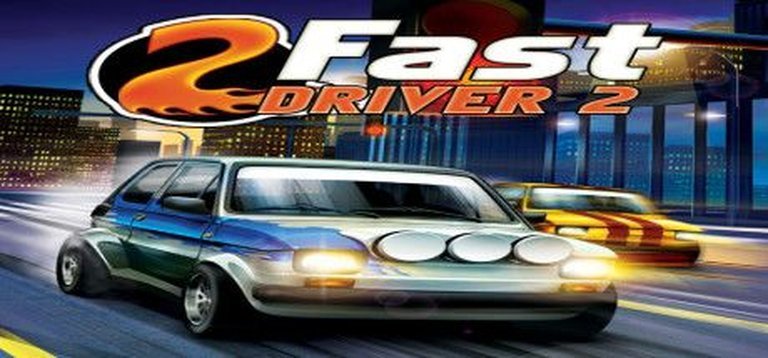
Bambino Rally 3—alternately known as Maluch Racer 3 or 2Fast Driver 2—is a game that defies easy categorization. Equal parts nostalgic tribute to Poland’s beloved Fiat 126p and a janky, bug-ridden racing sim, this 2010 artifact from developer Artifex Mundi exists in a precarious space between earnest passion project and bargain-bin shovelware. Released at a time when Poland’s game industry was still finding its footing, Bambino Rally 3 offers a fascinating case study in how cultural reverence for a national icon collides with technical limitations and uneven execution. This review dissects its ambitions, failures, and the paradoxical charm that has earned it a cult following among masochistic racing enthusiasts and retro gaming archeologists.
Development History & Context
A Labor of Love (and Constraints)
Artifex Mundi, better known for hidden-object puzzle games like Nightmares from the Deep, ventured into racing with Bambino Rally 3 as a tribute to the Polski Fiat 126p—the boxy, underpowered “Maluch” (“Little One”) that became a symbol of Poland’s communist-era automotive industry. Executive producer Piotr Żygadło and lead designer Robert Mikuszewski sought to immortalize the car’s legacy, leveraging the Torque 3D engine, a budget-friendly tool notorious for its use in early 2000s indie projects.
The game arrived in 2010, a period when Poland’s gaming scene was dominated by Euro-jank curiosities (The Witcher had only just begun elevating the country’s reputation). Technical constraints were glaring: texture quality lagged behind contemporaries like Need for Speed: Most Wanted (2005), and the physics system was rudimentary at best. Yet, the team’s focus on authenticity—four Fiat 126 variants (Standard, Kometa, Huragan, Piorun) with distinct handling—suggests ambition outweighed resources.
Narrative & Thematic Deep Dive
A Love Letter to the Maluch
While Bambino Rally 3 lacks a traditional narrative, its thematic core is clear: a celebration of the Fiat 126p’s cultural footprint. The game’s career mode frames progression as a rags-to-riches arc, mirroring the car’s journey from communist-era staple to nostalgic relic. Players start with a base model and earn złoty (Polish currency) to unlock tuning parts and garish visual modifications—a nod to the car’s status as a DIY canvas for working-class tinkerers.
The absence of story beats is compensated by the game’s reverence for its subject. Each of the 60 tracks, set across five Polish cities, evokes the Maluch’s natural habitat: cramped urban streets and rural backroads. It’s a thematic triumph hobbled by execution, as the amateurish presentation undermines its heartfelt intent.
Gameplay Mechanics & Systems
Broken Wheels and Unresponsive Steering
Bambino Rally 3’s gameplay is a masterclass in frustration. The core loop—race, earn money, upgrade—is straightforward, but its systems crumble under scrutiny:
- Physics: Cars handle like “bricks with magnets” (per Qualitipedia). Collisions glue vehicles to walls, while high-speed impacts trigger bizarre pseudo-flips without animation. Nitro boosts feel unpredictably overpowered, amplifying the chaos.
- AI Opponents: Rivals exhibit pathfinding akin to Big Rigs: Over the Road Racing. They slam into barriers, ignore the player, and occasionally freeze—a glitch players likened to “drivers falling asleep mid-race.”
- Career Progression: Unlocking new tracks and cars is tedious, with payout scales punishing mid-pack finishes. Tuning options, while extensive, yield minimal performance improvements.
- Technical Issues: Crashes, Blue Screens of Death (BSODs), and game-breaking bugs plague the experience. The Steam version (2016) patched some issues but retained its reputation as unstable.
The UI, however, is a rare bright spot. Menus are clean, and rebindable controls (a series first) offer minor redemption.
World-Building, Art & Sound
Aesthetic Dissonance and Salvaged Charm
Visually, Bambino Rally 3 embodies early-2000s austerity. Texture quality rivals the Nintendo 64, and car models lack detail, though the Fiat 126’s iconic silhouette remains recognizable. Tracks suffer from poor collision design—players can clip through fences or veer into void spaces—but the urban layouts occasionally evoke a rustic, low-poly charm.
The soundtrack, a mix of generic rock and misplaced heavy metal, clashes with the quaint subject matter. Yet, Qualitipedia concedes the music is “good, just tonally inconsistent.” Sound effects, while original, are tinny and lack weight, further undermining immersion.
Reception & Legacy
From National Embarrassment to Cult Oddity
Upon its 2010 Polish release, Bambino Rally 3 was met with scorn. Gamepressure.com rated it 4.7/10, lambasting its “unfinished feel,” while MobyGames users slapped it with a 1.0/5. The 2016 Steam relaunch fared better (68% positive), with players ironically praising its “so-bad-it’s-good” appeal.
Its legacy is twofold:
1. Cultural Artifact: The game preserves the Fiat 126p’s legacy for younger generations, albeit clumsily.
2. Euro-Jank Canon: It sits alongside Darklands and Ride to Hell: Retribution as a “broken yet fascinating” time capsule.
Artifex Mundi never returned to racing, pivoting to narrative-driven puzzle games. The series remains dormant—a fitting end for a game that feels like its own burial.
Conclusion
Bambino Rally 3 is not a good game. Its physics are busted, its AI laughable, and its presentation dated even for 2010. Yet, as a flawed tribute to Poland’s automotive history, it holds anthropological value—a digital museum exhibit wrapped in duct tape and nostalgia. For completists and historians, it’s worth a cursory spin; for everyone else, it’s a cautionary tale of ambition outpacing execution. In the annals of racing games, Bambino Rally 3 is less a podium finisher and more a roadside wreck—memorable not for speed, but for the sheer audacity of its existence.
Final Verdict: A 2/5 for cultural significance, a 1/5 for technical competence, and a 5/5 for unintentional comedy.