
- Release Year: 2016
- Platforms: Windows
- Publisher: Sokpop Collective
- Developer: Sokpop Collective
- Genre: Action, Sport
- Perspective: Diagonal-down
- Game Mode: Single-player
- Gameplay: Dodgeball
- Setting: Fantasy
- Average Score: 82/100
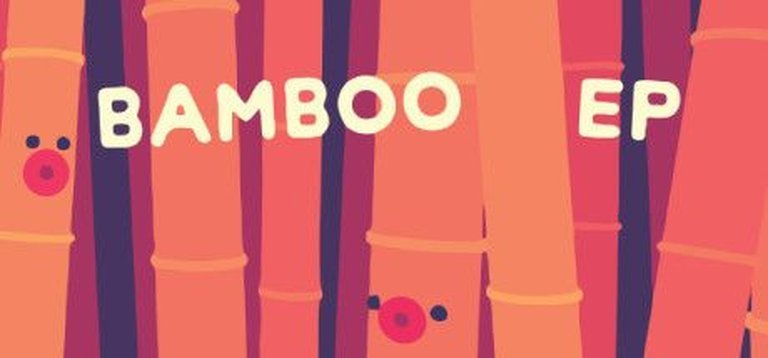
Description
Bamboo EP is a quirky indie game collection featuring three distinct bamboo-themed experiences. The first, Bamboo Ball, is a digital dodgeball game for 1-2 players set across four seasonal arenas, complete with playful elements like dabbing snowmen. The second, Bamboo Heart, is a fast-paced action game where a swordfighter battles through bosses and unlocks skills to reclaim his heart. The third game remains a mystery, but the entire package blends pixel art, fantasy settings, and lighthearted competition. Developed by Sokpop Collective, it offers a mix of solo and local multiplayer fun with a charming, offbeat aesthetic.
Where to Buy Bamboo EP
PC
Bamboo EP Cracks & Fixes
Bamboo EP Guides & Walkthroughs
Bamboo EP Reviews & Reception
steambase.io (83/100): A triumphant return to form for the series.
store.steampowered.com (83/100): Very Positive (83% of 66 user reviews for this game are positive).
niklasnotes.com (83/100): Overall, Bamboo EP is well-received for its engaging gameplay, particularly in Bamboo Heart, and its charming visuals.
mobygames.com (80/100): Average score: 4.0 out of 5 (based on 1 ratings with 0 reviews).
Bamboo EP: A Whimsical Anthology of Playful Precision
Introduction: The Sokpop Collective’s Hidden Gem
Bamboo EP (2016) is a deceptively simple yet endlessly charming anthology of three bite-sized games, each united by a shared aesthetic and an unmistakable sense of playful experimentation. Developed by the Dutch indie collective Sokpop—known for their quirky, experimental titles like Bernband and Lisa—this “EP” (a nod to musical extended plays) offers a trio of distinct experiences: Bamboo Ball, a seasonal dodgeball duel; Bamboo Heart, a lightning-fast swordplay roguelite; and Bamboo Moon, an interactive title screen that doubles as a serene pond-swimming simulator.
At first glance, Bamboo EP might seem like a minor footnote in the vast landscape of indie games, but its brilliance lies in its economy of design. Each game is stripped down to its purest, most engaging mechanics, yet they collectively form a cohesive, memorable experience. This review will dissect Bamboo EP in exhaustive detail, exploring its development, narrative subtleties, gameplay systems, artistic direction, and lasting legacy.
Development History & Context: The Sokpop Ethos
The Sokpop Collective: A Laboratory of Play
Sokpop is not a traditional game studio but rather a rotating collective of Dutch developers who collaborate on small, experimental projects. Founded by Aran Koning, Ruben Naus, Tijmen Tio, and Tom van den Boogaart, the group operates on a model of rapid prototyping and iterative design, often releasing games that feel like interactive sketches—brief, polished, and brimming with personality.
Bamboo EP was conceived as part of Sokpop’s broader mission to democratize game development, proving that compelling experiences don’t require massive budgets or years of production. The game was built in GameMaker, a tool favored by indie developers for its accessibility, allowing the team to focus on mechanics and atmosphere rather than technical overhead.
The Gaming Landscape in 2016: A Golden Age for Indie Anthologies
2016 was a pivotal year for indie games, with titles like Inside, Hyper Light Drifter, and Stardew Valley redefining what small teams could achieve. Bamboo EP arrived in this climate as a counterpoint to sprawling, narrative-driven epics—a reminder that games could be short, sharp, and deeply replayable.
The “EP” format itself was a clever marketing strategy, positioning the game as a curated collection rather than a single, monolithic experience. This approach mirrored trends in music and film, where anthologies and compilations were gaining traction as a way to showcase diverse creative voices under a unified theme.
Technological Constraints & Design Philosophy
Given its modest scope, Bamboo EP was designed with minimal system requirements (Windows XP compatibility, 200MB RAM), ensuring accessibility for a wide audience. The use of pixel art and simple controls was not just an aesthetic choice but a practical one, allowing the team to iterate quickly and focus on feel over fidelity.
The game’s gamepad-centric design (a rarity in many indie titles of the era) was a deliberate move to evoke the arcade-like precision of classic action games, reinforcing Sokpop’s belief that tactile, responsive controls are paramount to player engagement.
Narrative & Thematic Deep Dive: Whimsy with Hidden Depth
The Overarching Theme: Nature, Loss, and Play
At its core, Bamboo EP is a celebration of nature’s cycles, with each game reflecting a different facet of the natural world:
– Bamboo Ball captures the transience of seasons, with its shifting backdrops of spring blossoms, summer meadows, autumn leaves, and winter snow.
– Bamboo Heart explores loss and recovery, framing its combat as a metaphorical quest to reclaim a stolen heart.
– Bamboo Moon embodies tranquility and exploration, offering a meditative space where players can simply exist in a digital pond.
Bamboo Heart: A Rabbit’s Quest for Wholeness
The most narratively driven of the three, Bamboo Heart follows a rabbit warrior (with unlockable animal protagonists) who must battle through a bamboo forest to retrieve their stolen heart. The premise is deliberately minimalist, but the game’s symbolism is rich:
– The Heart as a MacGuffin: The missing heart could represent lost love, stolen innocence, or even creative inspiration—a theme that resonates with Sokpop’s own journey as indie developers.
– The Bamboo Forest as a Metaphor: Bamboo, known for its resilience and rapid growth, mirrors the protagonist’s journey—each defeat is a chance to regrow stronger.
– Bosses as Emotional Barriers: The game’s bosses (ranging from a giant frog to a spectral owl) may symbolize personal demons the protagonist must overcome.
Bamboo Ball: Seasons as a Gameplay Mechanic
While Bamboo Ball lacks a traditional narrative, its seasonal settings subtly influence gameplay:
– Spring: Lighter balls, faster movement—mirroring the energy of renewal.
– Summer: Standard physics, but with buzzing bees that add chaotic charm.
– Autumn: Slightly heavier balls, evoking the weight of falling leaves.
– Winter: Slippery terrain and dabbing snowmen, a playful nod to internet culture.
The inclusion of dabbing snowmen—a meme that peaked in 2016—adds a layer of temporal nostalgia, grounding the game in its era.
Bamboo Moon: The Title Screen as a Game
Bamboo Moon is the most subversive of the three, blurring the line between menu and gameplay. Players can:
– Swim as a fish, dodging lilypads and frogs.
– Uncover hidden interactions, like clicking on fireflies to trigger secret animations.
– Simply relax, listening to the ambient sounds of a nighttime pond.
This segment is a meta-commentary on player agency, asking: Why must every screen be a barrier to play?
Gameplay Mechanics & Systems: Precision, Chaos, and Discovery
Bamboo Ball: Dodgeball as a Test of Reflexes
Core Loop:
– Two players (or one player vs. AI) face off in a side-scrolling arena, hurling balls at each other.
– Controls: Simple (move, jump, throw), but mastery requires predictive aiming and spatial awareness.
– Seasonal Variations: Each season alters ball physics and arena hazards.
Strengths:
– Accessible yet deep: Easy to pick up, but high-level play demands pattern recognition and adaptability.
– Local multiplayer charm: The game thrives on physical proximity, with players trash-talking over shared screens.
Flaws:
– Limited single-player depth: The AI is predictable, making solo play less engaging.
– No online multiplayer: A missed opportunity in an era where remote play was becoming standard.
Bamboo Heart: The Roguelite Slice-’Em-Up
Core Loop:
– Fast-paced combat: Players dash, slash, and parry through procedurally generated bamboo groves.
– Boss battles: Each zone culminates in a high-stakes duel requiring memorization of attack patterns.
– Unlockable characters: Six animals (rabbit, fox, tanuki, etc.), each with unique abilities.
Strengths:
– Tight, responsive controls: The gamepad-centric design ensures attacks feel weighty and precise.
– Risk-reward mechanics: Players can cook food mid-combat to heal, adding a layer of strategic resource management.
– Replayability: Unlockable skills and characters encourage multiple playthroughs.
Flaws:
– Steep difficulty curve: Some players may find the lack of checkpoints frustrating.
– Minimal tutorialization: The game assumes familiarity with souls-like combat, which may alienate newcomers.
Bamboo Moon: The Anti-Game
Core Loop:
– No objectives, no failure states—just exploration and interaction.
– Hidden secrets: Clicking on certain elements triggers easter eggs, like a frog playing a flute.
Strengths:
– A masterclass in environmental storytelling: The pond feels alive, with fish darting away and fireflies flickering.
– A palate cleanser: Serves as a calming interlude between the intensity of Bamboo Heart and Bamboo Ball.
Flaws:
– Too brief: Some players may overlook its subtle charms, dismissing it as “just a menu.”
World-Building, Art & Sound: A Symphony of Simplicity
Visual Design: Pixel Art with Personality
- Bamboo Ball: Uses soft pastels to evoke each season, with detailed backgrounds (e.g., cherry blossoms in spring, snowflakes in winter).
- Bamboo Heart: Employs a darker, moodier palette, with the bamboo forest rendered in deep greens and shadows.
- Bamboo Moon: Features minimalist animations, where even the ripple of water feels deliberate.
Sound Design: Ambient Minimalism
- Bamboo Ball: Upbeat, chiptune-inspired tracks that shift with the seasons.
- Bamboo Heart: A pulsing, rhythmic soundtrack that intensifies during boss fights.
- Bamboo Moon: No music—just the sounds of nature (frogs croaking, water lapping).
Atmosphere: A Digital Zen Garden
The game’s aesthetic cohesion is its greatest strength. Whether you’re dodging balls in a meadow, dueling in a bamboo thicket, or swimming under a full moon, Bamboo EP feels like a unified world rather than a disjointed collection.
Reception & Legacy: A Cult Classic in the Making
Critical & Commercial Reception
- Steam Reviews: 83% Very Positive (66 reviews), with praise for Bamboo Heart’s combat and the overall charm of the package.
- IGF Nomination: Recognized as a Best Student Game nominee in 2017, highlighting its innovative design.
- Sales: Priced at $5.99 (frequently discounted), it found a niche audience rather than mainstream success.
Influence & Legacy
- Proved the viability of “game EPs”: Inspired later anthologies like Afterlove EP (2025).
- Sokpop’s rising profile: Helped establish the collective as a purveyor of experimental, high-quality indie games.
- A testament to scope: Demonstrated that small, polished experiences could resonate just as deeply as AAA epics.
Conclusion: A Love Letter to Play
Bamboo EP is not a game that will redefine the medium, but it doesn’t need to. Instead, it excels as a tightly crafted, endlessly replayable celebration of what makes games fun: precision, surprise, and pure, unadulterated play.
Final Verdict: 8.5/10 – A Hidden Masterpiece
- For fans of: Nidhogg, TowerFall Ascension, Hyper Light Drifter.
- Best enjoyed: With a friend (for Bamboo Ball) or in short, meditative bursts (Bamboo Heart and Bamboo Moon).
- Legacy: A cult classic that deserves rediscovery in an era of bloated open-world games.
Bamboo EP is a reminder that sometimes, the most memorable gaming experiences come not from hundred-hour epics, but from small, perfect moments—like a rabbit drawing its sword in a bamboo grove, or a fish darting beneath a digital moon.