
- Release Year: 2024
- Platforms: Windows
- Developer: cem99slh99
- Genre: Idle, Simulation
- Perspective: 1st-person
- Game Mode: Single-player
- Average Score: 62/100
Description
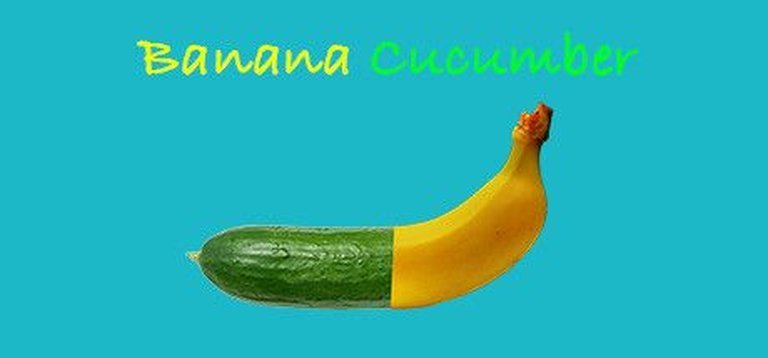
Banana & Cucumber is a free-to-play idle simulation game released on Steam in June 2024, featuring a first-person perspective where players point and select to interact with bananas and cucumbers on a fixed or flip-screen view, incrementing counters and periodically generating tradeable Steam Marketplace items in an incremental economy reminiscent of the viral Banana clicker.
Where to Buy Banana & Cucumber
PC
Banana & Cucumber Reviews & Reception
steambase.io (68/100): Player Score of 68 / 100 with a Mixed rating.
store.steampowered.com (57/100): Mixed – 57% of the 387 user reviews are positive.
Banana & Cucumber: Review
Introduction
In the annals of video game oddities, few titles capture the zeitgeist of digital absurdity quite like Banana & Cucumber, a free-to-play clicker that exploded onto Steam in June 2024 amid the viral wake of its spiritual predecessor, Banana. Picture this: hundreds of thousands of players—not grinding epic quests or battling bosses, but idling a window with pixelated produce, all for the faint hope of marketplace pennies. As a game historian, I’ve chronicled everything from Pong’s humble beeps to Elden Ring’s sprawling epics, but Banana & Cucumber stands as a bizarre monument to Steam’s marketplace economy run amok. This review posits that while it masterfully exploits player psychology and platform incentives for a “legal infinite money glitch,” it ultimately exemplifies the hollowest extremes of idle gaming, trading depth for drops in a fad destined for obscurity.
Development History & Context
Banana & Cucumber emerged from the shadows of Banana‘s meteoric rise, released on June 12, 2024, for Windows via Steam (App ID 3015610), mere weeks after Banana shattered Steam charts with peaks over 850,000 concurrent players. Developed by the enigmatic duo cem99 and slh99—credited on MobyGames and Steam, with possible ties to pseudonymous or altered accounts amid scam suspicions—the game was published under Bull Games and online99. Built in Unity, it adheres to rock-bottom specs: 1.0 GHz processor, 128 MB RAM, and 100 MB storage, allowing effortless bot farms on low-end hardware.
The gaming landscape of mid-2024 was ripe for this: Steam’s marketplace, already a thriving secondary economy for CS:GO skins and Dota 2 cosmetics, had been supercharged by Banana (April 23, 2024), a blatant clone of the earlier Egg. Banana‘s devs described their creation as “pretty much a stupid game, a copy of Egg but way worse,” yet it ballooned from 300 players to Steam’s #2 spot, fueled by 3- and 18-hour item drops sellable for cents (rarities up to $1,378). Valve takes 5% cuts (minimum $0.01), devs snag similar shares, turning volume into profit—e.g., 1.99 million plain bananas sold in one day netting thousands.
Banana & Cucumber capitalized directly, doubling down with dual fruits amid a “worrying trend” of clones like Cats, Egg, and others. Steam forums buzzed with accusations of fake devs changing publisher names post-YouTube exposés, copyright banana images hastily swapped, and bot infestations inflating counts (two-thirds bots in Banana‘s peak). Technological constraints? None—its flip-screen, point-and-select interface harks to 1980s idlers like Nothing (a timer punishing input), but in 2024’s bot-friendly era, it thrives on minimalism. Vision? Pure opportunism: “Drop Drop Drop !!!” screams the ad blurb, echoing Banana‘s Discord-community designs for viral, low-effort skins.
Narrative & Thematic Deep Dive
Narrative in Banana & Cucumber is as substantial as its 17 MB download: nonexistent. No plot unfolds; no characters evolve. You’re thrust into a void—a fixed 640×480 window (scalable via sparse settings)—dominated by a ripe banana and verdant cucumber, each begging clicks that merely increment a vanity counter. Achievements? A solitary “Click” after one minute idle. Dialogue? Zero. This vacuum is the point, a meta-commentary on idleness and capitalism’s fruitless grind.
Thematically, it probes the absurdity of labor in late capitalism. Clicking yields “even more Banana & Cucumber!”—a Sisyphean loop mirroring Cookie Clicker progenitors, but stripped bare. Drops (community-sketched via Discord: Dogenana, Pepenana, or cucumber variants) evoke NFT hype without blockchain baggage: valueless JPEGs hyped into cents or dollars via scarcity timers. Developers frame it as an “infinite money glitch,” but rationally? 24¢/day max (post-fees: 8¢), or $1.68/week—pocket change underscoring exploitation. Themes of virality emerge: a ripple effect, ignited by streamers like Among Us, where FOMO trumps fun. Accusations of scam (denied by devs) highlight greed’s duality—players farm alts, bots swarm, Valve profits silently. It’s philosophical minimalism: in a post-truth gaming world, is value what sells, or what satisfies? Here, produce peels back humanity’s chase for phantom wealth.
Gameplay Mechanics & Systems
At its core, Banana & Cucumber is a purest idle-clicker loop, deconstructed to exploitation. Launch, click fruits to bump the counter (clicks register loosely, even off-hitbox), then minimize—drops accrue passively every 3 hours (common) or 18 (rare). No progression: no upgrades, autos, or metas like Cookie Clicker’s empires. UI? Primal—a settings tab for fullscreen/resolution, no menus beyond. Steam integration shines: drops hit inventory instantly, tradable/marketable (e.g., 0.25€ commons, 4.39€ rares).
Innovations? Dual targets (banana left, cucumber right?) for “variety,” plus Discord events for special skins. Flaws abound: repetitive to pointlessness, bot-vulnerable (run multiples sans resource hit), and progression-free—clicks do zilch beyond timer. Marketplace is the “system”: sellers list at $0.01 (buyer sees $0.03 post-cuts), volume wins. Compared to Banana, it’s “worse,” per devs’ self-own, yet players report dual-idling profitability. Achievements (two total) and in-app purchases (25¢ skins) pad engagement. Verdict: mechanically flawless for purpose—passive income farm—but zero depth renders it anti-gameplay, a calculator masquerading as sim.
World-Building, Art & Sound
World-building? A green void cradling two fruits—fixed/flip-screen perspective, 1st-person stasis. Atmosphere: serene banality, evoking Animal Well‘s secrets but vacant. Visuals: AI-generated disclosures hint at hasty Discord memes (Pepenana hilarity), low-res PNGs on dark yellow/green backdrops. No animations beyond counter ticks; scalable but retro-cramped.
Art direction prioritizes idler purity—banana’s ripe curve, cucumber’s crisp slice—community variants add whimsy (e.g., copyrighted swaps post-callouts). Sound? Mute void: no SFX, music, or voice. Contributions? Impeccable minimalism amplifies themes—silence underscores futility, static screen mirrors endless wait. Experience? Zen-like detachment for farmers, nausea for normies; elevates “nothingness” to artform, akin to Nothing‘s anti-input timer.
Reception & Legacy
Launch reception split: MobyGames logs 1.0/5 (two ratings, zero reviews), Steam’s 2,008 aggregate at 68/100 (“Mixed”), English 57% positive (387 reviews), recent 81% (“Very Positive”). Forums decry “fake/scam” (dev profiles scrubbed, suspect inventories), yet players idle dual with Banana for “non-zero” sales. Critics? Absent (Metacritic blank), but Banana proxies: IGN’s “not a scam, but worthless artificial economy”; Polygon/PC Gamer hail virality, Forbes warns bot devaluation.
Legacy: Catalyst in Steam’s “plague” of junk farms (Cats 56k peak, Egg, etc.), questioning Valve’s review process amid money-laundering fears. Influenced copycats (Cucumber Champion, Banana Hell relations), spotlighted marketplace exploits—Valve silent, profiting. Historically, echoes 2013’s Cookie Clicker idle boom, but monetizes scarcity sans substance. Post-fad (predicted month-long by forums), it’ll fade like NFTs, yet cement as 2024’s emblem of gamified grift, inspiring policy scrutiny and ironic wikis.
Conclusion
Banana & Cucumber is no masterpiece—it’s a masterful gimmick, distilling gaming to its economic essence amid 2024’s bot-riddled Steamcharts dominance. Exhaustive in exploitation, bereft in craft, it earns props as cultural artifact: a “stupid game” exposing player gullibility, dev opportunism, and platform complicity. Final verdict: 3/10—novelty for Discord degens, skip for substance-seekers. In history’s fruit bowl, it’s the bruised cuke: memorable, messy, ultimately squished. Play at peril; history awaits its overripe end.