
- Release Year: 2015
- Platforms: Nintendo 3DS, PlayStation 3, Wii U, Wii, Windows, Xbox 360
- Publisher: Little Orbit, LLC
- Developer: Torus Games Pty. Ltd.
- Genre: Simulation
- Perspective: Third-person
- Game Mode: Single-player
- Gameplay: Exploration, Mini-games, Quick-time events
- Setting: Contemporary
- Average Score: 60/100
Description
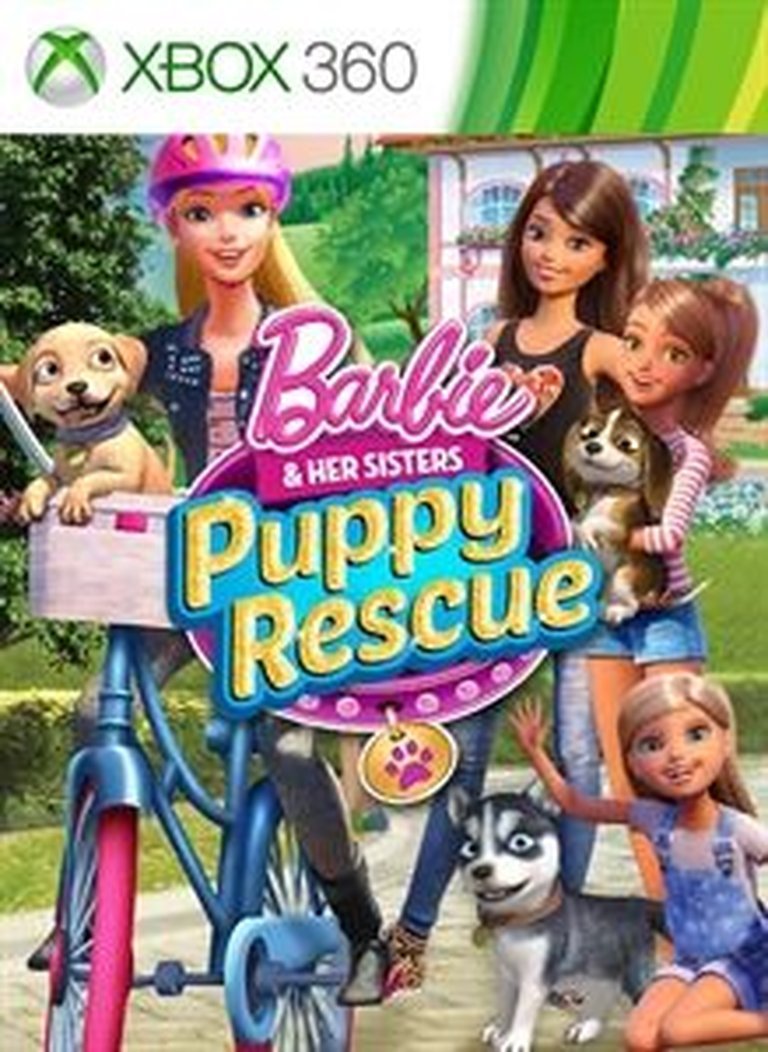
Barbie & Her Sisters: Puppy Rescue is a family-friendly adventure game where Barbie and her sisters work together to rescue and care for lost puppies. Set in a contemporary town, players engage in a variety of mini-games and exploration activities, such as feeding puppies, navigating the environment on bicycles, and solving simple challenges. While aimed at younger audiences with its straightforward gameplay and cheerful themes, critics note repetitive mechanics and limited depth. Released in 2015 across multiple platforms, the game emphasizes cooperative fun and lighthearted pet-saving missions.
Gameplay Videos
Barbie & Her Sisters: Puppy Rescue Free Download
Barbie & Her Sisters: Puppy Rescue Cracks & Fixes
Barbie & Her Sisters: Puppy Rescue Guides & Walkthroughs
Barbie & Her Sisters: Puppy Rescue Reviews & Reception
metacritic.com (40/100): Barbie and her Sisters: Puppy Rescue would have done well as a Facebook game or smartphone app. However, as a console title, it suffers from downtime and repetition.
familyfriendlygaming.com (78/100): I like dogs. Barbie and Her Sisters Puppy Rescue lets families rescue puppies and take care of them.
steambase.io (82/100): Barbie and Her Sisters Puppy Rescue has earned a Player Score of 82 / 100.
opencritic.com (40/100): Barbie and her Sisters: Puppy Rescue would have done well as a Facebook game or smartphone app. However, as a console title, it suffers from downtime and repetition.
criticalgamer.co.uk : Having the words ‘Barbie’ and ‘Puppy’ together in the game title should, to be honest, be a pretty good indication of the quality you are (or are not) looking at here.
Barbie & Her Sisters: Puppy Rescue: A Paw-fectly Flawed Adventure in Family Gaming
Introduction
In the crowded landscape of licensed children’s games, Barbie & Her Sisters: Puppy Rescue (2015) stands as a curious artifact—a title that embodies both the earnest charm of its source material and the perils of rushed, multi-platform development. Targeted squarely at young fans of Mattel’s iconic doll franchise, the game blends puppy-rescue philanthropy with light simulation mechanics, but falters under repetitive design and technical limitations. This review argues that while Puppy Rescue succeeds as a harmless diversion for its intended audience, it exemplifies the shortcomings of corporate-driven, movie-tied gaming experiences.
Development History & Context
Studio Vision & Technological Constraints
Developed by Australian studio Torus Games—a veteran of licensed titles like Monster High: New Ghoul in School—Puppy Rescue was conceived as a companion to the direct-to-DVD film Barbie & Her Sisters in the Great Puppy Adventure. Published by Little Orbit, the game aimed to capitalize on the holiday 2015 release window, a decision that critics like Darkain Arts Gamers noted led to a “[game] falling victim to rushed timing […] to keep the title relevant to the movie.” Built for six platforms (Wii, Wii U, 3DS, PS3, Xbox 360, PC), the fragmented development resulted in uneven performance. The Nintendo 3DS version, for instance, was criticized for “atrocious” frame rates (Critical Gamer), while the Wii U iteration suffered from clunky bike controls (Nintendo Enthusiast).
The Barbie Gaming Landscape
Arriving amid a wave of Barbie tie-ins—from Horse Adventures to Dreamhouse Party—Puppy Rescue adhered to a proven formula: mini-game collections wrapped in aspirational, female-led narratives. Yet, unlike Barbie Fashion Designer (1996), which innovated with customizable apparel, Puppy Rescue played it safe, recycling mechanics from earlier pet-care sims like Nintendogs. Its multi-platform release also reflected a dying trend, as mobile gaming began dominating the children’s market by 2015.
Narrative & Thematic Deep Dive
Plot & Characters: Sisterhood & Canine Compassion
The narrative sees Barbie and her sisters—Skipper, Stacie, and Chelsea—transforming their hometown of Willows into a puppy-rescue hub. Players rove the streets saving abandoned dogs, rehabilitating them via clinical check-ups (Skipper), grooming salons (Chelsea), and obedience training (Stacie), before matching them with adoptive families. The plot mirrors the film’s emphasis on teamwork and responsibility, albeit with minimal storytelling depth. Dialogue is relentlessly upbeat, reinforcing themes of empathy (“Let’s give this pup a fur-ever home!”) but lacking character development.
Thematic Underpinnings
At its core, Puppy Rescue is a parenting simulator in doll’s clothing. The game valorizes nurturing labor—cleaning, feeding, training—as inherently rewarding, a reflection of Barbie’s evolution from fashion icon to STEM-educated role model. However, the lack of narrative stakes (e.g., no antagonist beyond irresponsible pet owners) renders the experience toothlessly saccharine.
Gameplay Mechanics & Systems
Core Loop: Repetition & Restriction
The gameplay orbits three pillars:
1. Exploration: Cyclinge around Willows to locate hidden puppies, guided by waypoints and NPC hints.
2. Rescue Mini-Games: Leading pups through sewer mazes (via a baffling X-ray flashlight) or calming them with timed button presses.
3. Shelter Management: Grooming fleas (a dystopian drop-liquid-on-giant-bugs minigame), administering medicine, and customizing kennels.
While initially engaging, the loop buckles under relentless repetition. Cubed3 derided it as “Facebook game fodder,” noting that activities like obstacle courses randomized challenges, making mastery impossible. Worse, a “cooldown” system forced players to wait minutes between interactions with puppies—a glaring design flaw for a children’s title (Critical Gamer).
Technical Flaws & UI
Platform-specific issues abounded:
– Wii U: Bike controls were “clunky,” with collisions halting progress abruptly (Nintendo Life).
– 3DS: Frame rates dipped in crowded areas, undermining exploration.
The UI, while colorful, suffered from tedious menus, and the kennel customization—touted as a selling point—offered shallow cosmetic options.
World-Building, Art & Sound
Visual & Auditory Identity
Willows is a sunny, plasticky suburbia, evoking Barbie’s trademark “dreamhouse” aesthetic. Environments are serviceably detailed on consoles but visibly cramped on handhelds. Puppies themselves are adorably animated, though their limited behaviors (wagging, barking) grew repetitive. The art’s bright palette and clean lines aligned with Barbie’s brand, but textures often felt flat—a concession to multi-platform optimization.
Sound design leaned heavily on cheerful, looping tracks that mirrored Barbie’s bubbly persona. Voice acting, while competent, recycled lines excessively, particularly during mini-games (“Good job, Barbie!”). The lack of voicework for the sisters beyond Barbie felt like a missed opportunity for character dynamics.
Platform Disparities
The 3DS version’s visuals were deemed “okay” (Family Friendly Gaming), whereas Wii U benefited from sharper resolution. PC and Xbox 360 offered the most stable performance, though no version escaped criticism for pop-in and collision glitches.
Reception & Legacy
Critical & Commercial Performance
Puppy Rescue garnered a lukewarm 52% average on MobyGames, with reviews split:
– Praise: Family Friendly Gaming (76%) commended its “safe, family-friendly” design.
– Condemnation: Nintendo Life (40%) called its gameplay “too simple […] not even fun.”
Steam user reviews skewed “Very Positive” (82/100), likely reflecting younger players’ tolerance for its flaws. Commercially, it underperformed against contemporaries like Lego Dimensions, though exact sales remain undocumented.
Industry Impact
The game’s legacy is negligible. As mobile titles like Barbie DreamHouse Tycoon (2023) embraced free-to-play models, Puppy Rescue symbolized the end of an era for console-focused licensed games. It neither innovated nor ruined Barbie’s gaming reputation—it merely existed, a footnote in Torus Games’ middling portfolio.
Conclusion
Barbie & Her Sisters: Puppy Rescue is a paradox: a game that understands its audience’s desires (puppies! sisterhood! pastel aesthetics!) yet stumbles in execution. Its heartwarming premise and harmless content make it a viable pick for young Barbie enthusiasts, but repetitive mechanics, technical hiccups, and baffling design choices (cooldowns in a kids’ game?) relegate it to the bargain bin of licensing history. In the grand tapestry of Barbie titles, it’s no Fashion Designer—but as a time capsule of mid-2010s children’s gaming, it’s a fascinating, flawed relic. Final verdict: A woof-ly middling effort that needed more time in the kennel.