
- Release Year: 2008
- Platforms: Linux, Macintosh, Windows
- Publisher: Interplay Entertainment Corp.
- Genre: Compilation
- Perspective: Top-down
- Game Mode: Hotseat
- Gameplay: Strategy, Turn-based
- Average Score: 50/100
Description
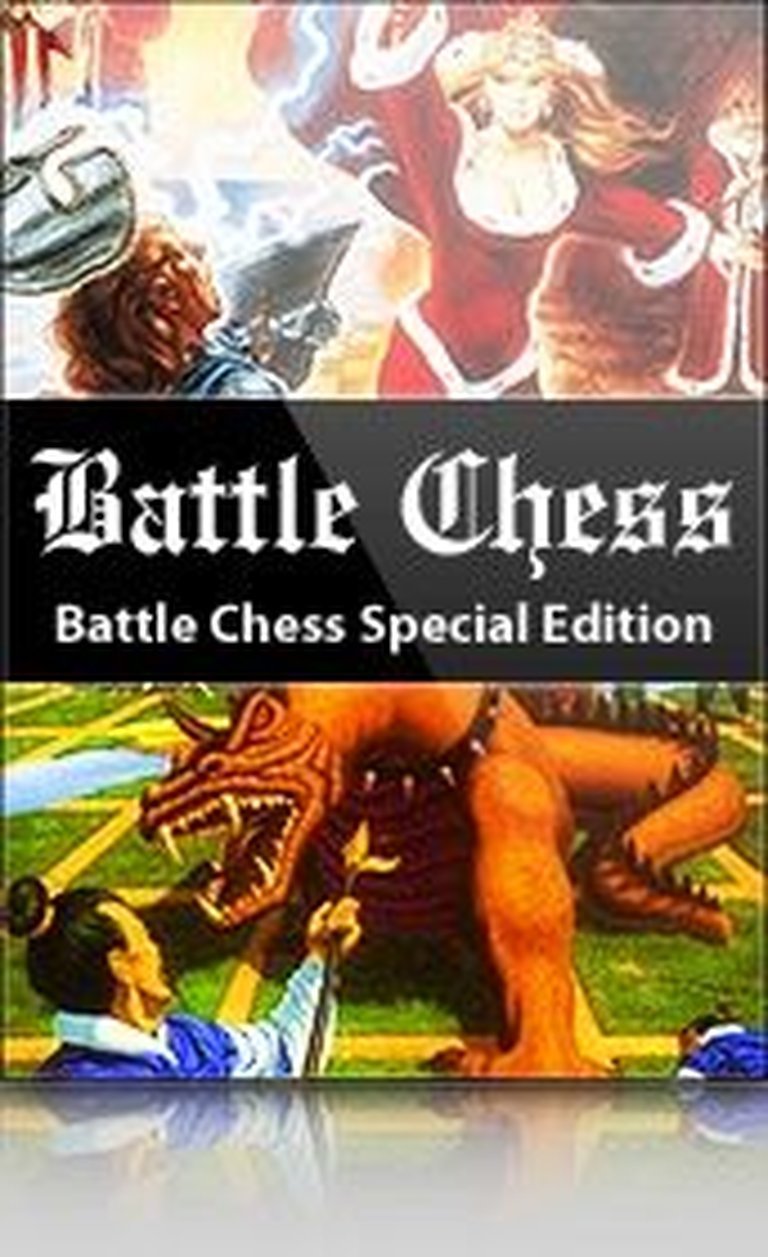
Battle Chess: Special Edition is a compilation bundle featuring three classic chess-themed games: the original ‘Battle Chess’ with its iconic animated piece battles, ‘Battle Chess II: Chinese Chess’ offering a variation with traditional Chinese chess rules, and ‘Battle Chess 4000’, a futuristic sci-fi twist on the formula. The games combine traditional chess mechanics with unique 3D animations that depict dramatic combat sequences between pieces, set in medieval and sci-fi environments.
Battle Chess: Special Edition Reviews & Reception
postconsole.wordpress.com (50/100): Valuable variety but games are slow, clunky, and animations get old.
Battle Chess: Special Edition Cheats & Codes
PC
Enter during gameplay.
| Code | Effect |
|---|---|
| DISTRACTIONPIECE | Your Bishop will remove the opposing Queen before landing on the board. This code will only work once per game. |
DOS/DOSBox
Use the command line /ducks when starting the game.
| Code | Effect |
|---|---|
| /ducks | Changes most of the mouse cursors used within the game: the general selection cursor becomes a sword, the waiting cursor during game animations becomes the upper body of a woman, and the selection cursor while a human player is in check becomes a duck standing on a check mark. |
Battle Chess: Special Edition: Review
In the annals of video game history, few titles have left as indelible a mark on the chess genre as Battle Chess: Special Edition. Released in 2008, this compilation brings together three distinct iterations of the Battle Chess series, each offering a unique twist on the classic game of chess. The original Battle Chess (1988), Battle Chess 4000 (1992), and Battle Chess II: Chinese Chess (1990) are bundled into a single package, providing players with a comprehensive experience that spans different eras and styles. This review will delve into the development history, narrative themes, gameplay mechanics, world-building, art and sound design, reception, and legacy of Battle Chess: Special Edition, ultimately assessing its place in video game history.
Introduction
Battle Chess: Special Edition is more than just a compilation of chess games; it is a testament to the enduring appeal of strategic gameplay and the innovative ways in which developers can reimagine classic genres. At its core, Battle Chess is about bringing the abstract world of chess to life, transforming the static pieces into animated characters that engage in epic battles. This review will explore the development context, the thematic depth, the mechanical intricacies, and the cultural impact of this seminal title, arguing that Battle Chess: Special Edition stands as a pivotal work in the evolution of chess video games.
Development History & Context
Studio and Creators’ Vision
Battle Chess was developed by Interplay Productions, a studio known for its innovative and often experimental approach to game design. The game was produced by Brian Fargo, a visionary in the early days of video game development, and designed by a team that included Michael Quarles, Jayesh J. Patel, and Troy Worrell. The artists, Todd J. Camasta and Bruce Schlickbernd, played a crucial role in bringing the animated battles to life, creating a visual style that was both whimsical and engaging.
The creators’ vision was to make chess more accessible and entertaining, particularly for younger audiences who might find the traditional game too abstract. By animating the pieces and adding a layer of combat, they aimed to make the game more dynamic and engaging, thereby attracting a broader audience.
Technological Constraints of the Era
Battle Chess was released during a time when home computers and consoles were just beginning to push the boundaries of what was possible in terms of graphics and animation. The game was initially developed for the Commodore Amiga, a platform known for its advanced graphics capabilities at the time. This allowed the developers to create detailed animations and special effects that would have been impossible on earlier systems.
The technological constraints of the era meant that the developers had to be creative in their use of resources. The animations, for example, were carefully designed to be both visually impressive and efficient in terms of memory and processing power. This balance between innovation and practicality is a hallmark of the game’s development.
Gaming Landscape at the Time of Its Release
In the late 1980s, the gaming landscape was dominated by a mix of arcade-style action games and more traditional strategy and puzzle games. Battle Chess stood out in this environment by offering a unique blend of strategy and entertainment. The game’s animated battles and whimsical art style set it apart from other chess games, which tended to be more serious and abstract.
The success of Battle Chess can be attributed in part to its ability to appeal to both casual and hardcore gamers. The game’s strategic depth made it appealing to chess enthusiasts, while its animated battles and humorous dialogue made it accessible to a wider audience. This dual appeal helped to establish Battle Chess as a seminal work in the chess genre.
Narrative & Thematic Deep Dive
Plot and Characters
Battle Chess does not have a traditional narrative in the sense of a linear story with a beginning, middle, and end. Instead, the game’s narrative is embedded in the animations and dialogue that accompany the battles between the pieces. Each piece has its own unique personality and set of animations, which are triggered when the piece captures an opponent.
The characters in Battle Chess are the chess pieces themselves, each imbued with a distinct personality and set of abilities. The king, for example, is portrayed as a regal figure who is both wise and powerful, while the pawns are depicted as humble soldiers who are willing to sacrifice themselves for the greater good. This anthropomorphism adds a layer of depth to the game, making the pieces more relatable and engaging.
Dialogue and Humor
One of the standout features of Battle Chess is its use of humor and dialogue to enhance the gameplay experience. The animations are accompanied by witty one-liners and sound effects that add a layer of entertainment to the game. For example, when a knight captures a pawn, the knight might exclaim, “Checkmate!” or “You’re toast!” These humorous moments help to break up the tension of the game and make it more enjoyable for players.
The dialogue in Battle Chess is not just for show; it serves a functional purpose as well. The sound effects and animations provide feedback to the player, indicating when a piece has been captured or when a checkmate has been achieved. This feedback is crucial for players who are new to the game, as it helps them to understand the rules and mechanics more quickly.
Underlying Themes
At its core, Battle Chess is about the struggle between order and chaos, strategy and improvisation. The game’s animated battles and whimsical art style contrast with the more serious and abstract nature of traditional chess. This contrast highlights the tension between the structured rules of the game and the unpredictable nature of the battles that take place on the board.
The game also explores themes of sacrifice and heroism. The pawns, for example, are often portrayed as humble soldiers who are willing to sacrifice themselves for the greater good. This theme is reinforced by the game’s mechanics, which require players to make strategic sacrifices in order to achieve victory.
Gameplay Mechanics & Systems
Core Gameplay Loops
The core gameplay loop of Battle Chess is centered around the classic rules of chess, with the added twist of animated battles and special effects. Players take turns moving their pieces across the board, with the goal of capturing the opponent’s king. The game’s mechanics are straightforward, making it accessible to both novice and experienced players.
The game’s animations and special effects add a layer of entertainment to the gameplay, making it more engaging and dynamic. For example, when a piece captures an opponent, the game plays an animated sequence that shows the capture in detail. This sequence is accompanied by sound effects and dialogue, which add to the overall experience.
Combat and Character Progression
In Battle Chess, combat is not just about capturing pieces; it is about engaging in epic battles that are both visually impressive and strategically significant. The game’s animations and special effects are designed to be both entertaining and informative, providing players with feedback about the state of the game.
Character progression in Battle Chess is not a traditional feature, as the game does not have levels or experience points. Instead, the game’s progression is based on the strategic decisions that players make. As players become more experienced, they learn to anticipate their opponent’s moves and to make more effective use of their pieces.
UI and Innovative or Flawed Systems
The user interface of Battle Chess is designed to be intuitive and easy to use. The game’s menus and controls are straightforward, making it accessible to players of all skill levels. The game’s animations and special effects are integrated into the UI, providing players with feedback about the state of the game.
One of the innovative features of Battle Chess is its use of sound effects and dialogue to enhance the gameplay experience. The game’s animations are accompanied by witty one-liners and sound effects that add a layer of entertainment to the game. This feature is particularly effective in making the game more engaging and dynamic.
However, the game is not without its flaws. The animations, while visually impressive, can sometimes be slow and clunky, detracting from the overall experience. Additionally, the game’s AI can be unpredictable, making it difficult for players to anticipate their opponent’s moves.
World-Building, Art & Sound
Setting and Atmosphere
The setting of Battle Chess is a fantastical world where chess pieces come to life and engage in epic battles. The game’s art style is whimsical and humorous, with each piece having its own unique design and personality. This art style is complemented by the game’s animations and special effects, which add a layer of depth and dynamism to the world.
The atmosphere of Battle Chess is one of playful chaos, with the game’s battles and animations creating a sense of excitement and unpredictability. This atmosphere is reinforced by the game’s sound design, which features witty one-liners and sound effects that add to the overall experience.
Visual Direction
The visual direction of Battle Chess is characterized by its use of 2.5D graphics and detailed animations. The game’s art style is whimsical and humorous, with each piece having its own unique design and personality. This art style is complemented by the game’s animations and special effects, which add a layer of depth and dynamism to the world.
The game’s visuals are not just for show; they serve a functional purpose as well. The animations and special effects provide feedback to the player, indicating when a piece has been captured or when a checkmate has been achieved. This feedback is crucial for players who are new to the game, as it helps them to understand the rules and mechanics more quickly.
Sound Design
The sound design of Battle Chess is an integral part of the game’s overall experience. The game’s animations are accompanied by witty one-liners and sound effects that add a layer of entertainment to the game. These sound effects are not just for show; they serve a functional purpose as well, providing feedback to the player about the state of the game.
The game’s music is also an important part of its sound design. The soundtrack features a mix of classical and electronic music, which complements the game’s whimsical art style and dynamic gameplay. The music is not intrusive; it serves to enhance the overall experience without detracting from the gameplay.
Reception & Legacy
Critical and Commercial Reception at Launch
Battle Chess was critically acclaimed upon its release, with reviewers praising its innovative use of animation and special effects to enhance the classic game of chess. The game’s whimsical art style and humorous dialogue were also highlighted as standout features. The game sold 250,000 copies by February 1993, a testament to its commercial success.
The game’s reception was not without its criticisms, however. Some reviewers noted that the game’s AI could be unpredictable, making it difficult for players to anticipate their opponent’s moves. Additionally, the game’s animations, while visually impressive, could sometimes be slow and clunky, detracting from the overall experience.
Evolution of Its Reputation
Over the years, Battle Chess has come to be regarded as a seminal work in the chess genre. Its innovative use of animation and special effects has influenced numerous subsequent games, and its whimsical art style and humorous dialogue have become iconic. The game’s legacy is further cemented by its inclusion in various “best of” lists and its continued popularity among chess enthusiasts.
The game’s reputation has also been bolstered by its enduring appeal to a wide audience. The game’s strategic depth makes it appealing to chess enthusiasts, while its animated battles and humorous dialogue make it accessible to a wider audience. This dual appeal has helped to establish Battle Chess as a timeless classic.
Influence on Subsequent Games and the Industry
Battle Chess has had a significant influence on the chess genre and the video game industry as a whole. Its innovative use of animation and special effects has inspired numerous subsequent games, and its whimsical art style and humorous dialogue have become iconic. The game’s legacy is further cemented by its inclusion in various “best of” lists and its continued popularity among chess enthusiasts.
The game’s influence can be seen in various chess clones and inspired games, such as Virtual Chess 64, Lego Chess, Star Wars Chess, Terminator 2: Judgment Day – Chess Wars, Combat Chess, and National Lampoon’s Chess Maniac 5 Billion and 1. These games, while not direct sequels, owe a debt to Battle Chess for its innovative approach to the genre.
Conclusion
Battle Chess: Special Edition is a testament to the enduring appeal of strategic gameplay and the innovative ways in which developers can reimagine classic genres. The game’s whimsical art style, humorous dialogue, and dynamic gameplay have made it a beloved classic among chess enthusiasts and casual gamers alike. Its influence on the chess genre and the video game industry as a whole is undeniable, and its legacy continues to inspire new generations of developers and players.
In conclusion, Battle Chess: Special Edition stands as a pivotal work in the evolution of chess video games. Its innovative use of animation and special effects, combined with its strategic depth and whimsical art style, have made it a timeless classic that continues to captivate players today. Whether you are a seasoned chess player or a newcomer to the game, Battle Chess: Special Edition offers a unique and engaging experience that is sure to delight.