
- Release Year: 2020
- Platforms: Atari VCS, iiRcade, Linux, PlayStation 4, PlayStation 5, PS Vita, Windows, Xbox One, Xbox Series
- Publisher: Gumbo Machine, LLC
- Developer: Gumbo Machine, LLC
- Genre: Action
- Perspective: Side view
- Game Mode: Hotseat, Single-player
- Gameplay: Fighting
- Setting: Fantasy
- Average Score: 54/100
Description
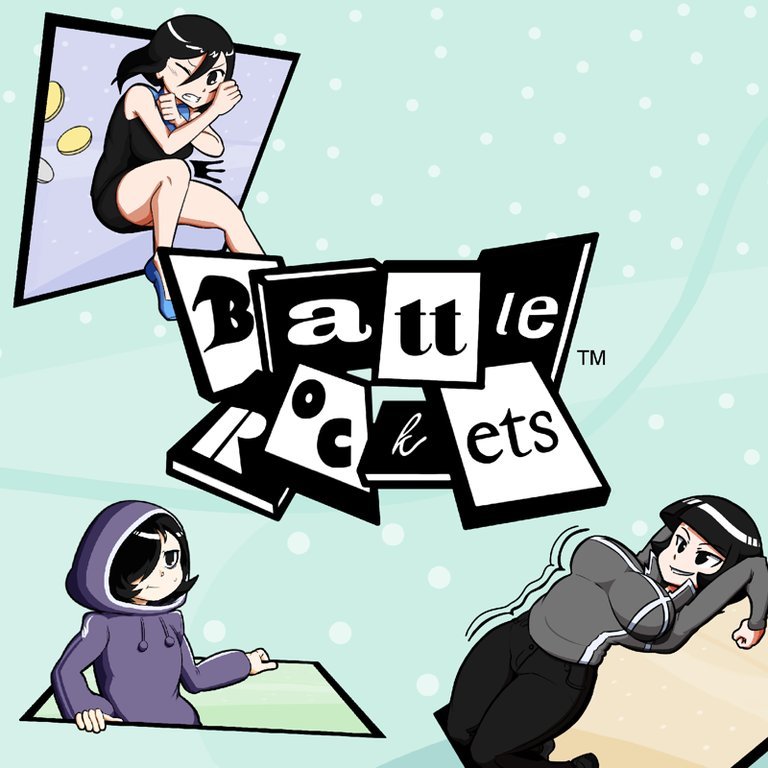
Battle Rockets is a fast-paced, side-view fighting game set in a whimsical fantasy world, blending action and comedy. Originally released as a PlayStation Vita exclusive in 2020, it features single-player challenges and local multiplayer battles where two players can compete on a single console. The game stands out for its simple yet energetic bullet-hell duels, quirky character designs inspired by video game systems, and a lighthearted tone. While its gameplay is straightforward, it offers a unique portable experience with a mix of easy and challenging modes, alongside a Platinum trophy for achievement hunters.
Where to Buy Battle Rockets
PC
Battle Rockets Mods
Battle Rockets Guides & Walkthroughs
Battle Rockets Reviews & Reception
metacritic.com (50/100): Really, the only good thing I can say about Battle Rockets is that it must be a labour of love, because it’s only on the Vita.
mobygames.com (59/100): Battle Rockets is a unique SHMUP Fighter designed exclusively for the PS Vita.
Battle Rockets: A Love Letter to the Vita, or a Missed Opportunity?
Introduction
In the twilight years of the PlayStation Vita, a handheld console long abandoned by Sony yet fiercely cherished by its dedicated fanbase, Battle Rockets emerged as a curious anomaly. Released on March 31, 2020, this hybrid “SHMUP Fighter” was one of the last digital-exclusive titles to grace the platform, a testament to the indomitable spirit of indie developers and the Vita’s cult following. But was it a swan song worthy of the console’s legacy, or merely a niche oddity lost in the shadows of its more celebrated peers?
Battle Rockets is a game of contradictions. It’s a fighting game that plays like a shoot ’em up, a multiplayer experience that struggles to justify its single-player modes, and a love letter to gaming history that often feels too insular for its own good. This review will dissect the game’s development, mechanics, narrative, and reception to determine whether it’s a hidden gem or a well-intentioned misfire.
Development History & Context
The Studio Behind the Game
Battle Rockets was developed by Gumbo Machine, LLC, a small, web-based studio founded in 2018 and formally established in 2019. Unlike traditional game studios, Gumbo Machine operates entirely online, collaborating with developers and artists worldwide. Their mission? To “fill the cracks” in software libraries by creating unique, often experimental games tailored to underserved markets.
The studio’s debut title, Battle Rockets, was conceived as a PS Vita exclusive, a bold move given Sony’s waning support for the handheld. The game’s lead developer, Benjamin Kapferer, cited inspiration from other indie Vita successes like Sir Eatsalot (by Behind the Stone) and the vibrant #VitaIsland community, a hashtag that united Vita enthusiasts long after Sony had moved on.
A Game Born in the Vita’s Twilight
Development began in 2018, with an original planned release in 2019. Delays pushed the launch to March 31, 2020, just months before Sony announced the shutdown of the PS3, PSP, and Vita digital storefronts in August 2021. This timing made Battle Rockets one of the last digital Vita games ever released, a bittersweet distinction that Kapferer acknowledged in interviews:
“Kinda neat, actually! I’ve found that a lot of the time, the most interesting games on a particular platform release around the end.”
The game’s initial reception was mixed, with critics praising its novelty but criticizing its lack of depth. In response, Gumbo Machine released Battle Rockets 2.0 on March 31, 2021, a free update that added four new fighters (based on the PS5 and Xbox Series X|S), remixed game modes, and “Super Challenges” for single-player content.
Technological Constraints and Design Philosophy
Built in GameMaker Studio, Battle Rockets is a 2D side-scrolling shooter/fighter hybrid with a pixel-art aesthetic. The Vita’s hardware, while capable, was nearing obsolescence by 2020, but Gumbo Machine leveraged its dual analog sticks for precise movement and aiming—a rare feature in Vita games.
The game’s core conceit is its “Console-tan” fighters, anthropomorphic representations of gaming consoles (e.g., “Vita-tan,” “Switch-tan”). This meta-narrative reflects Kapferer’s passion for gaming history, but it also limits the game’s appeal to those unfamiliar with console wars lore.
Narrative & Thematic Deep Dive
The “Console-tan” Universe
Battle Rockets is set in a fantasy world where gaming consoles are personified as warriors, each with unique abilities reflecting their real-world counterparts. For example:
– Vita-tan might have agile movement but limited firepower.
– Switch-tan could have versatile attacks but slower speed.
The game’s narrative is minimal, confined to eight single-player “Challenges” that expand on the lore. These are essentially mini-games with light storytelling, such as:
– “Duel Shock”: A classic HP battle.
– “Short Fuse”: A five-round shootout.
– “Cash Grab”: A coin-collecting frenzy.
The comedy tone is playful, with characters quipping about their console rivalries, but the humor is niche, catering almost exclusively to hardcore gaming historians.
Themes: Nostalgia and Competition
The game’s themes revolve around:
1. Nostalgia: A celebration of gaming’s past, present, and future.
2. Competition: The eternal “console wars” framed as playful battles.
3. Preservation: A defiant stance against Sony’s abandonment of the Vita.
However, the lack of a cohesive story means these themes are underdeveloped. The game assumes players are already invested in the Vita’s legacy, which may alienate casual audiences.
Gameplay Mechanics & Systems
Core Gameplay Loop
Battle Rockets bills itself as a “SHMUP Fighter”, blending:
– Shoot ’em up mechanics: Twin-stick controls for movement and aiming.
– Fighting game elements: HP bars, special moves, and head-to-head duels.
The game offers three multiplayer modes (local only):
1. Duel Shock: Standard HP battle.
2. Short Fuse: Five-round shootout.
3. Cash Grab: Coin-collecting chaos.
Single-player content includes:
– Eight Challenges: Mini-games with unique win conditions.
– “Super Challenges” (2.0): Harder versions of the original Challenges.
Combat and Progression
- Movement: Smooth but lacks weight.
- Shooting: Basic bullet patterns with no depth.
- Special Abilities: Each character has a unique attack, but they feel underwhelming.
The progression system is nonexistent—no unlocks, no upgrades, just high scores. This makes the game feel shallow after a few matches.
UI and Controls
- Menus are clunky, a common criticism in reviews.
- Controls are responsive but lack polish.
World-Building, Art & Sound
Visual Design
- Pixel-art sprites are charming but lack detail.
- Backgrounds are static, giving the game a budget feel.
- Character designs are cute but repetitive.
Sound Design
- Chiptune soundtrack fits the theme but is forgettable.
- Sound effects are basic, with no standout audio moments.
Reception & Legacy
Critical Reception
Battle Rockets received mixed reviews, with critics praising its novelty but criticizing its lack of depth:
– PS4Blog.net (70%): “A unique portable experience.”
– Gaming Age (50%): “More an oddity worth noting than something worth playing.”
– Finger Guns (40%): “Far too bare bones and lacks depth or longevity.”
Commercial Performance
- Sold poorly due to the Vita’s niche audience.
- 2.0 update improved reception but didn’t salvage its reputation.
Legacy
Battle Rockets is now a cult curiosity, remembered as:
– One of the last Vita exclusives.
– A love letter to console history.
– A flawed but ambitious experiment.
Conclusion: A Niche Oddity Worth Preserving
Battle Rockets is not a great game, but it’s an important one. It represents the indie spirit that kept the Vita alive long after Sony abandoned it. Its hybrid gameplay is innovative, its Console-tan lore is charming (if niche), and its development story is a testament to passion.
Final Verdict: 6/10 – A flawed but fascinating relic of the Vita’s twilight years. Worth playing for hardcore Vita fans and gaming historians, but not essential for most.
Where It Shines:
✅ Unique “SHMUP Fighter” hybrid.
✅ Charming Console-tan concept.
✅ One of the last Vita exclusives.
Where It Fails:
❌ Shallow gameplay.
❌ Clunky UI.
❌ Limited appeal outside niche audiences.
Battle Rockets is a time capsule—a game that exists because of, and for, the Vita’s diehard community. In that sense, it’s a success, even if it’s not a masterpiece.