
- Release Year: 2020
- Platforms: Windows
- Publisher: Good Monkey Studio
- Developer: Good Monkey Studio
- Genre: Action
- Perspective: 1st-person
- Game Mode: Single-player
- Gameplay: Survival horror
- Average Score: 80/100
Description
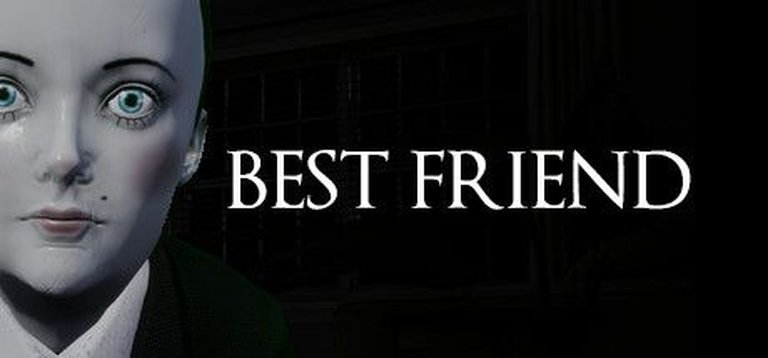
Best Friend is a first-person survival horror game where players must survive a terrifying night haunted by David, a once-beloved doll turned malevolent. Set in a haunting home environment, the game challenges players to evade David’s relentless pursuit while completing objectives like collecting specific items or consuming eerie offerings. Developed by Good Monkey Studio using Unreal Engine 4, the narrative explores themes of abandonment and supernatural revenge, blending atmospheric tension with psychological horror.
Gameplay Videos
Where to Buy Best Friend
PC
Best Friend Patches & Updates
Best Friend Guides & Walkthroughs
Best Friend Reviews & Reception
ign.com (80/100): Vanillaware games have always looked great, but 13 Sentinels is the first time the studio has put a bulk of its focus on storytelling. And it pays off.
Best Friend: Review
Introduction
In the saturated landscape of survival horror, Best Friend (2020) emerges as a curious anomaly—a small-scale indie experiment that weaponizes childhood nostalgia into a chilling ordeal. Released amid a banner year for gaming (The Last of Us Part II, Resident Evil 3 Remake), this Good Monkey Studio creation languished in obscurity, yet its premise—a sentient doll exacting revenge for abandonment—taps into primal fears of guilt and supernatural retribution. This review argues that while Best Friend stumbles under technical constraints and derivative design, its unwavering commitment to psychological unease cements its status as a flawed but fascinating footnote in horror history.
Development History & Context
Studio Vision & Constraints:
Developed by the Singapore-based Good Monkey Studio, Best Friend was crafted by a skeleton crew of six credited contributors, led by solo developer “Good Monkey.” Built on Unreal Engine 4 with PhysX physics, the project was a passion endeavor fueled by Japanese horror tropes (The Grudge, Dead Silence) and Western doll-terror classics like Child’s Play. Released on May 5, 2020, it entered a market dominated by AAA reinventions (Final Fantasy VII Remake) and acclaimed indies (Hades), leaving scant oxygen for unproven horror ventures.
Technological & Cultural Landscape:
The game’s development was hamstrung by budget limitations—evident in its reused assets, minimal voice acting, and rudimentary AI. Yet, its timing was prophetic: 2020’s lockdowns fueled demand for intimate, atmospheric horror experiences (Phasmophobia), but Best Friend lacked the polish or marketing to capitalize. Unlike narrative-driven contemporaries (Kentucky Route Zero), it embraced a stripped-back, Five Nights at Freddy’s-esque formula, prioritizing tension over complexity.
Narrative & Thematic Deep Dive
Plot & Structure:
Players assume the role of an unnamed protagonist haunted by David, a once-beloved doll turned malevolent entity after years of neglect. The story unfolds across two nocturnal chapters: surviving until 3 AM while retrieving mundane items (a ball, apple, donut) and enduring until 5 AM while consuming cakes David “prepares.” This simplicity belies a surprisingly affecting lore: journal fragments and environmental cues reveal the protagonist’s childhood traumas, painting David as a manifestation of repressed guilt—a distorted guardian turned warden.
Characters & Dialogue:
David’s silence amplifies his menace, communicated through distorted giggles and erratic movements. The protagonist’s fragmented monologues, delivered via text, evoke a desperate bid for redemption (“Why won’t you forgive me?”). Though lacking voice acting, the writing channels PT’s ambiguous dread, framing David not as a villain but as a tragic byproduct of emotional abandonment.
Themes:
Best Friend dissects the horror of responsibility—how neglect transforms love into obsession. David’s design—stitched seams, peeling paint—mirrors the protagonist’s fractured psyche. The game’s advice (“never turn your back on David”) becomes a metaphor for confronting past failures. Unlike The Last of Us Part II’s grand cycles of vengeance, this is a microcosm of personal hauntings.
Gameplay Mechanics & Systems
Core Loop & Survival Dynamics:
The gameplay orbits a simplistic loop: scavenge items while evading David in a procedurally generated house. The first-person perspective heightens vulnerability, yet mechanics feel undercooked. David’s AI alternates between predictable patrols and jarring teleportation, undermining tension. The absence of combat or intricate puzzles reduces play to hide-and-seek tedium, with progression gated by sheer attrition rather than skill.
Character Progression & UI:
No progression system exists—survival hinges on memorizing item spawns and David’s patterns. The UI is minimalist (a watch, inventory slots), prioritizing immersion, but this austerity backfires: objectives lack clarity, and instadeath scenarios feel punitive rather than earned.
Innovations & Flaws:
The “Advice” mechanic—sporadic cues like “Check the closet”—hints at dynamic scares but devolves into scripted jumpscares. Procedural room layouts offer fleeting replayability, yet repeated assets (identical bedrooms, kitchens) dilute uniqueness. A standout is “Game 2,” where eating cakes introduces a risk/reward dynamic (temporary stamina vs. attracting David), but it arrives too late to salvage monotony.
World-Building, Art & Sound
Setting & Atmosphere:
The decrepit suburban house, drenched in murky shadows and flickering lights, channels Resident Evil 7’s claustrophobia. Textural details—mold-stained walls, cobwebbed toys—sell decay, but low-poly models and stiff animations betray the indie budget. David’s design, however, is unnerving: his porcelain cracks resemble a skull, and jerky movements evoke stop-motion grotesquery.
Sound Design:
The soundscape is Best Friend’s crowning achievement. Ambient whispers, floorboard creaks, and distant nursery rhymes build Lynchian dissonance. David’s guttural breathing, engineered via layered childlike giggles and static, weaponizes ASMR-like intimacy. Sadly, reliance on stock screams and abrupt stings cheapens otherwise meticulous audio.
Reception & Legacy
Launch & Critical Response:
Best Friend debuted to deafening silence. With no critic reviews on Metacritic or OpenCritic and zero player impressions logged on MobyGames, it became a ghost in Steam’s algorithm—priced at $0.81 (after discounts) but buried under 2020’s titans. The absence of a MobyGames-approved description underscores its anonymity.
Evolution & Influence:
Yet, its legacy persists in niche circles. The “sentient doll” trope resurged in Hollow Knight: Silksong’s teasers and indie darlings like My Friendly Neighborhood (2023). Best Friend’s blend of psychological guilt and minimalist scapes also echoes in Madalyn (2021), proving that even forgotten experiments seed inspiration.
Conclusion
Best Friend is a haunted Polaroid—a blurred snapshot of unrealized potential. Its narrative ambition (a Twilight Zone parable of neglect) clashes with mechanical shallowness, while technical constraints fray its atmospheric strengths. Yet, as a time capsule of 2020’s indie scene—where passion outpaced resources—it demands recognition. For horror completists, it’s a curio worth a late-night dabble; for others, a reminder that terror thrives not in spectacle, but in the echoes of what we abandon.
Final Verdict:
A 5/10 experience with 8/10 ideas—a flawed but earnest ode to the monsters we create.