
- Release Year: 2014
- Platforms: Android, iPad, iPhone, Macintosh, Windows
- Publisher: Kinto Games LLC
- Developer: Kinto Games LLC
- Genre: Action
- Perspective: Diagonal-down
- Game Mode: Single-player
- Gameplay: Roguelike
- Setting: Fantasy
- Average Score: 77/100
Description
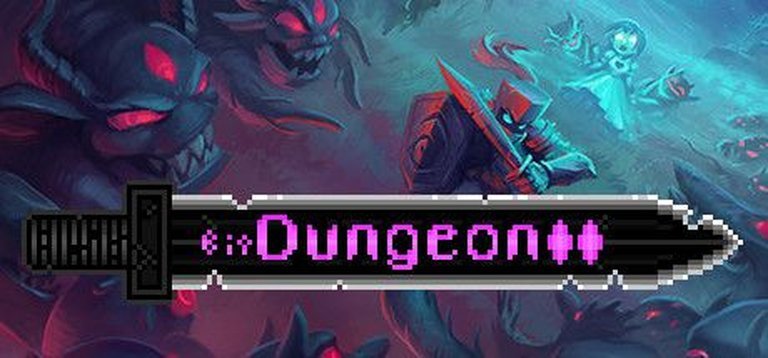
Bit Dungeon II is a roguelike action game set in a fantasy world, featuring 2D scrolling graphics and a top-down perspective. Players navigate through procedurally generated dungeons, battling enemies and collecting weapons and items to become stronger. The game is inspired by classic titles like Zelda, offering a blend of exploration, combat, and strategic gameplay. With its retro aesthetic and challenging gameplay mechanics, Bit Dungeon II provides a nostalgic yet engaging experience for fans of the genre.
Gameplay Videos
Where to Buy bit Dungeon II
bit Dungeon II Cracks & Fixes
bit Dungeon II Patches & Updates
bit Dungeon II Guides & Walkthroughs
bit Dungeon II Reviews & Reception
steambase.io (82/100): bit Dungeon II has earned a Player Score of 82 / 100.
metacritic.com : If you don’t mind games that are very rough around the edges, this is an action-RPG roguelike to check out. But it’s not the best experience.
indiegamebundles.com (70/100): It’s got some nice ideas, quite a bit of fun to offer, and is quite probably worth the low asking price.
howlongtobeat.com (80/100): Good game but very buggy and hard, I literally rage uninstalled it after like 30 tries since its release.
bit Dungeon II: A Requiem for the Lost Soul
Introduction
In the crowded pantheon of indie roguelikes, bit Dungeon II (2014) emerges as a haunting elegy—a pixelated homage to the Legend of Zelda’s dungeon-crawling roots, fused with the brutal permanence of Dark Souls and the chaotic allure of Diablo. Developed by Kinto Games, this minimalist action-RPG wears its inspirations boldly, weaving a tale of love, loss, and spectral vengeance. Yet beneath its retro veneer lies a game fraught with contradictions: a testament to indie ambition shackled by technical limitations. This review argues that bit Dungeon II is a fascinating, flawed artifact—a bridge between classic adventure design and modern roguelike experimentation.
Development History & Context
The Studio & Vision
Kinto Games, a small team led by Tom Heinecke, positioned bit Dungeon II as a love letter to the 8-bit era. The studio’s ethos was clear: distill the essence of Zelda’s top-down exploration and Diablo’s loot-driven progression into a bite-sized experience. Released in December 2014—a zenith for indie roguelikes like The Binding of Isaac and FTL—bit Dungeon II aimed to carve its niche with procedural generation and permadeath.
Technological Constraints
Built with rudimentary tools, the game’s scope was limited by its budget. The team leaned into these constraints, opting for a 2D pixel-art style reminiscent of the Game Boy Color era. Hardware limitations forced creative compromises: enemies lack detailed animations, and dungeon layouts reuse assets. Yet this austerity became part of its charm, evoking nostalgia for a simpler time.
The 2014 Gaming Landscape
The mid-2010s saw indie developers reclaiming the roguelike genre from AAA studios. bit Dungeon II arrived amidst a wave of retro-inspired titles, competing with juggernauts like Crypt of the NecroDancer and Rogue Legacy. Its $3.99 price point and mobile-friendly design (later ported to iOS and Android) targeted budget-conscious players seeking quick, replayable sessions.
Narrative & Thematic Deep Dive
A Ghostly Odyssey
The plot is sparse but poignant: you play as a tormented spirit seeking vengeance for a desecrated lover’s grave. Dialogue is minimal, conveyed through cryptic NPC murmurs and environmental cues. The narrative thrives on implication—a Dark Souls-esque approach to lore, where decayed tombstones and twisted demons hint at a broader tragedy.
Themes of Death & Redemption
Permadeath isn’t just a mechanic; it’s thematic. Each run symbolizes the protagonist’s futile cycle of grief, underscored by the ability to reclaim your soul once upon death—a fleeting chance at absolution. The absence of a true ending (the game loops infinitely) reinforces this Sisyphean struggle, questioning whether redemption is ever attainable.
Character & Worldbuilding
Enemies, from “disgusting-faced” imps to colossal bosses, lack backstories but exude personality through grotesque designs. The overworld—a decaying purgatory—shifts with each playthrough, mirroring the protagonist’s fractured psyche. It’s a world where every pixel feels deliberate, a canvas for player interpretation.
Gameplay Mechanics & Systems
Core Loop: Die, Repeat, Improve
- Combat: A mash-heavy system with swords, bows, and staves. Each weapon type grants unique power attacks (e.g., bows unleash homing arrows), but combat lacks depth. Hitboxes are imprecise, and enemy patterns rarely demand strategy beyond button-mashing.
- Progression: Leveling up enhances stats tied to your equipped weapon—a clever twist that encourages experimentation. However, late-game balance falters; lifesteal builds trivialize challenges.
- Permadeath & Souls: Death drops your soul, which can be retrieved once. Fail, and your run ends. This mechanic injects tension but feels punishing compared to contemporaries like Hades, which reward failure with narrative progression.
Dungeon Design & Randomization
Procedurally generated dungeons offer fleeting variety, yet layouts often feel repetitive. Puzzles—simple switch-and-block affairs—evoke Zelda but lack ingenuity. The overworld’s shifting structure frustrates navigation, as no in-game map exists.
UI & Accessibility
The minimalist UI complements the aesthetic but suffers from clunkiness. Controller support (added post-launch) improves the experience, yet menus feel outdated. No difficulty settings alienate casual players, a misstep in an era increasingly prioritizing accessibility.
World-Building, Art & Sound
Visual Style: Beauty in Austerity
The 2D pixel art is a masterclass in limited palettes. Cadaverous greens and sanguine reds dominate, evoking a rotten underworld. Character sprites—though crude—are expressive, and boss designs (like the towering “Soul Devourer”) leave lasting impressions.
Soundtrack & Atmosphere
Stanislav Chernyavsky’s chiptune score oscillates between melancholy and frenetic, underscoring the game’s emotional whiplash. Tracks like Grave of the Forgotten blend haunting melodies with rhythmic urgency. Sound effects, however, are sparse—a missed opportunity to heighten immersion.
Environmental Storytelling
Dungeons tell silent tales: collapsed temples suggest fallen civilizations; bloodstained altars hint at occult rituals. This “show, don’t tell” approach rewards observant players but risks obscurity.
Reception & Legacy
Critic & Player Response
- Critics: Mixed reviews (50% on MobyGames) cited repetitive combat and technical hiccups. Spazio Games criticized its lack of multiplayer, while Gameplay Benelux called it “a decent time-killer.”
- Players: Steam users (82% positive) praised its addictiveness and charm. Many likened it to “Zelda meets Binding of Isaac,” celebrating its risk-reward loop despite flaws.
Industry Influence
While not a trailblazer, bit Dungeon II exemplified the indie ethos of “doing more with less.” Its fusion of roguelike mechanics and action-adventure laid groundwork for later titles like Undermine and Enter the Gungeon.
Longevity & Modding
A small but dedicated community emerged, sharing speedrun strategies and modded gear. Kinto Games’ post-launch support (bug fixes, controller updates) sustained interest, though promised multiplayer never materialized.
Conclusion: A Hollow Victory
bit Dungeon II is a paradox—a game both celebrated and forgotten. Its retro aesthetic and punishing gameplay resonate with purists, yet its clunky systems and lack of innovation hinder broader appeal. As a historical artifact, it captures a moment when indie developers redefined roguelikes; as a game, it remains a flawed gem.
Final Verdict: bit Dungeon II is best appreciated as a time capsule—a bittersweet reminder of indie gaming’s scrappy adolescence. For roguelike devotees, it offers fleeting brilliance. For others, its ghosts may feel all too ephemeral.
bit Dungeon II is available on PC, Mac, iOS, Android, and Linux. The Steam version is currently discounted to $0.87—a steal for the curious, a mercy for the frustrated.