
- Release Year: 2015
- Platforms: iPhone, Nintendo Switch, PlayStation 3, PlayStation 4, PlayStation 5, PS Vita, Windows Apps, Windows, Xbox One, Xbox Series
- Publisher: Aldorlea Games
- Developer: Warfare Studios
- Genre: Role-playing, RPG
- Perspective: Diagonal-down
- Game Mode: Single-player
- Setting: Fantasy
- Average Score: 65/100
Description
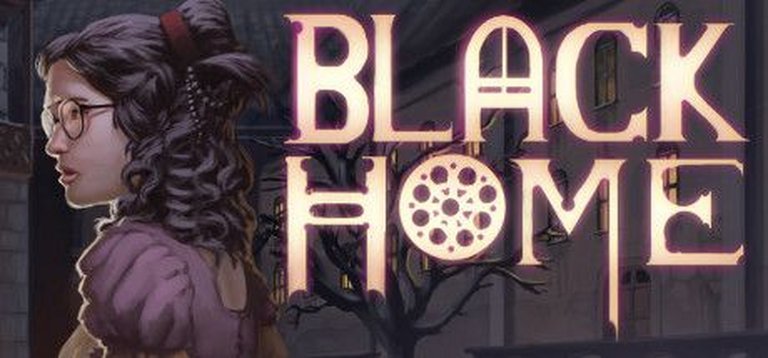
Black Home is a horror-adventure RPG where a pregnant scholar named Lecia ventures into a dilapidated cathedral to rescue her missing husband from an undead cult and an ancient Eldritch Abomination. Armed with found tools like brooms and ropes, she navigates haunted mines and sewers, solving puzzles and engaging in strategic combat against non-respawning enemies while uncovering the cult’s sinister plot to awaken a god of madness.
Where to Buy Black Home
Black Home Free Download
Black Home Guides & Walkthroughs
Black Home Reviews & Reception
steambase.io (66/100): Black Home has earned a Player Score of 66 / 100.
mobygames.com : Black Home, published by Aldorlea Games, is one of Warfare Studios’ most refined games, featuring an enthralling dark tale and a creepy, well detailed atmosphere.
store.steampowered.com (65/100): All Reviews: Mixed (65% of the 79 user reviews for this game are positive.)
weloveeverygame.com : (Loading review and pricing info…)
Black Home: Review
Introduction
In the shadowed annals of indie horror RPGs, Black Home (2015) stands as a haunting testament to the power of atmosphere and narrative restraint. Developed by Warfare Studios and published by Aldorlea Games, this 16-bit-inspired gem immerses players in a labyrinthine monastery where sanity frays and ancient horrors stir. While its pixelated aesthetic belies a sophisticated design, Black Home’s enduring legacy lies in its masterful fusion of psychological dread, environmental storytelling, and ruthless gameplay mechanics. This review dissects the game’s intricate layers—from its claustrophobic setting to its innovative systems—to argue that Black Home is not merely a cult classic but a vital, overlooked entry in the survival-horror RPG canon.
Development History & Context
Warfare Studios, a team known for its dedication to retro-inspired RPGs (e.g., Vagrant Hearts), crafted Black Home using RPG Maker XP, a tool that simultaneously enabled and constrained their vision. Released on August 7, 2015, the game emerged during a period of burgeoning indie horror, where titles like Outlast and Amnesia: A Machine for Pigs dominated the scene. Yet, Black Home carved its niche by embracing the limitations of its engine: 2D sprites, fixed camera angles, and a top-down perspective that evoked classic JRPGs. The developers sought to create a “refined” experience, prioritizing narrative depth and atmosphere over graphical fidelity—a choice that aligns with the game’s themes of perception versus reality.
Aldorlea Games, a publisher specializing in affordable RPGs, marketed Black Home as part of its catalog of “dark, thrilling adventures.” Its $9.99 price point (later discounted to $0.99) reflected the studio’s ethos of accessibility, while the absence of microtransactions underscored a commitment to player immersion. The game’s development faced no major publicized hurdles, though its reliance on RPG Maker’s assets occasionally resulted in visual repetition—a trade-off for its eerie, cohesive aesthetic.
Narrative & Thematic Deep Dive
At its core, Black Home is a tale of maternal desperation and cosmic indifference. Players assume the role of Lecia, a pregnant alchemist whose husband, Lesnar, vanishes after investigating a cursed monastery. The plot unfolds through environmental clues, cryptic dialogue, and haunting encounters, eschewing exposition for slow-burn dread. The narrative hinges on two antagonistic forces: the undead Monsignor and his zombified nun, the Mother Superior, who serve a “God of Madness” named Kaleyh’ik. This eldritch entity, whose true form is described as “a shade of blue that would engulf your head in flames,” embodies existential horror—its dialogue radiating a chilling detachment:
“I let you see me as a human… but I have depths and dimensions you cannot fathom… It’s somewhat akin to if you decided to talk with the bacteria in your yogurt.”
The game’s themes are equally potent. Lecia’s pregnancy—revealed late in the story—frames her quest as a battle for future generations, contrasting with the cult’s nihilistic rituals. Characters like Aelysia (a ghost seeking redemption) and Father Brachtmar (a traumatized monk) explore guilt and atonement, while the monastery itself becomes a character, its hidden rooms and crumbling architecture reflecting fractured psyches. The dual endings—where players can either confront the cult directly or unleash the Shape (a monstrous pursuer)—force a choice between complicity and defiance, reinforcing the game’s central question: What is the cost of survival?
Gameplay Mechanics & Systems
Black Home’s brilliance lies in its deconstructed RPG formula. Combat is turn-based but minimalist, emphasizing evasion over aggression. Enemies—zombies, bats, and the inescapable Shape—do not respawn, eliminating grinding and forcing players to engage thoughtfully. Tools replace traditional weapons: a meathook for traversal, a sledgehammer for breaking walls, and a bomb crafted from torch oil for scripted encounters. This “found item” system heightens vulnerability and ingenuity, as Lecia must repurpose her surroundings to survive.
Puzzles are equally innovative, blending environmental observation with inventory management. The chessboard puzzle, where 32 hidden pieces must be placed in precise order, exemplifies this, rewarding thorough exploration with endgame gear. However, the lack of signposting occasionally leads to frustration—a “Guide Dang It!” moment, as TVTropes notes—though the community’s detailed walkthroughs mitigate this. Character progression is lean: Lecia learns alchemical skills, while allies like Galant (a wounded scholar) and Lesnar contribute unique abilities. The UI is functional, with a top-down inventory and mission log that prioritize clarity over flair.
World-Building, Art & Sound
The monastery is a character in its own right, a gothic labyrinth of crypts, mines, and hidden chambers. Its design encourages backtracking, with walls marked subtly for sledgehammer breaks and silver “glimmers” hinting at collectibles. The 2D sprites, though simple, convey dread through decaying tapestries and flickering torchlight, while the diagonal-down perspective creates a voyeuristic tension. Sound design amplifies unease: creaking floors, distant groans, and the Shape’s relentless footsteps ensure players are perpetually alert. The absence of a traditional soundtrack heightens isolation, with ambient soundscape and sparing musical cues underscoring key moments.
This synergy of art and sound transforms exploration into an act of survival. Each room feels lived-in, with bloodstains, discarded tomes, and spectral remnants weaving a backstory of corruption. The mines’ damp chill and the crypts’ oppressive silence make the monastery a prison of both stone and sanity.
Reception & Legacy
At launch, Black Home received mixed but polarizing reviews. On Steam, it boasts a 65% positive rating from 79 reviews, with players praising its atmosphere and tension while criticizing its obtuse puzzles and limited combat. Curators lauded its “creepy, well-detailed atmosphere,” but some lamented its reliance on RPG Maker’s constraints. The game’s legacy, however, has grown over time. Its non-respawning enemies and environmental puzzles influenced indie horror RPGs like LISA: The Painful, while its sequel, Black Home 2 (2018), expanded the lore with thematic depth.
Critically, Black Home is recognized as a cult favorite for its subversion of RPG tropes. It eschews power fantasies for vulnerability, and its pregnant protagonist—a rarity in the genre—challenges traditional narratives. Its Steam community, though modest, remains active, with guides like Bartelmy’s spoiler-free walkthrough underscoring its status as a passion project.
Conclusion
Black Home is a triumph of restraint and atmosphere. In a gaming landscape saturated with action and spectacle, it proves that true horror thrives in quiet corridors and existential dread. Its flaws—occasional ambiguity, minimal combat—pale against its strengths: a haunting narrative, innovative systems, and a world that feels both alive and cursed. For players seeking an experience that values tension over spectacle, Black Home remains an essential, chilling pilgrimage. Its place in history is secure not as a blockbuster, but as a masterclass in indie horror that lingers long after the final save.