
- Release Year: 2014
- Platforms: Windows
- Publisher: Nordic Games GmbH
- Genre: Compilation
- Game Mode: Single-player
- Average Score: 65/100
Description
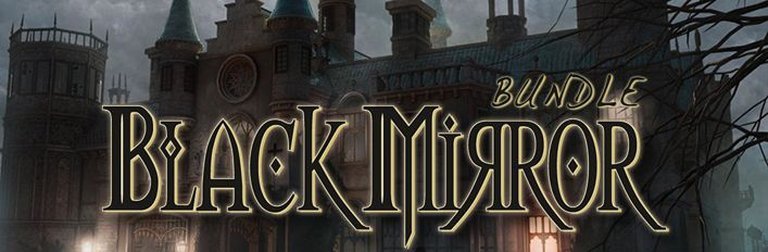
The Black Mirror Bundle is a compilation of three point-and-click horror adventure games set in the eerie Black Mirror manor, the ancestral home of the cursed Gordon family. The series follows protagonist Samuel Gordon as he investigates his grandfather’s mysterious death, uncovering dark family secrets, arcane rituals, and a centuries-old curse tied to a sinister portal known as the Black Mirror. Across the three games—The Black Mirror, Black Mirror II: Reigning Evil, and Black Mirror III: Final Fear—players delve into a gothic atmosphere filled with supernatural horrors, puzzles, and a haunting narrative that explores themes of inheritance, madness, and redemption.
Black Mirror Bundle Guides & Walkthroughs
Black Mirror Bundle Reviews & Reception
metacritic.com (75/100): Black Mirror is “13 Dead End Drive” of video games, but with more tension and puzzles to solve.
slantmagazine.com : Black Mirror’s idea of psychological horror is just a lengthy wait for David to figure out that he’s perfectly sane so the story can continue.
gamepressure.com (56/100): The 3D, amazing visuals of Black Mirror have bleak colours, which only make the game even gloomier.
The Black Mirror Bundle: A Haunting Legacy of Gothic Horror and Psychological Depth
Introduction
The Black Mirror Bundle is a compilation of three seminal point-and-click adventure games that collectively form one of the most atmospheric and narratively rich horror trilogies in gaming history. Developed by Future Games and later continued by Cranberry Production, the series weaves a dark tapestry of gothic horror, psychological torment, and supernatural intrigue, all centered around the cursed Gordon family and their ancestral estate, Black Mirror Castle. This bundle, released in 2014, includes The Black Mirror (2003), Black Mirror II: Reigning Evil (2009), and Black Mirror III: Final Fear (2011). Together, these games offer a masterclass in storytelling, atmosphere, and classic adventure gameplay, cementing their place as cult classics in the horror genre.
Development History & Context
The Birth of a Gothic Masterpiece
The original Black Mirror was developed by the Czech studio Future Games, a small but ambitious team of five individuals who began work on the project in early 2000. Initially slated for a late 2002 release, the game faced minor delays before its eventual launch in March 2003. The development process was driven by a passion for gothic horror and a desire to create a deeply immersive narrative experience. The game’s original Czech title, Posel Smrti (Death’s Messenger), hints at its dark themes and foreboding atmosphere.
Future Games was no stranger to the adventure genre, having previously developed titles like Messenger of the Gods and NiBiRu: Age of Secrets. However, The Black Mirror represented a significant leap in ambition, featuring 150 distinct locations and over five hours of spoken dialogue—a substantial achievement for its time. The game’s success was immediate, particularly in Germany, where it became a commercial hit under the publisher DTP Entertainment. By 2008, the game had sold over 500,000 copies worldwide, a testament to its enduring appeal.
The Shift to Cranberry Production
The sequels, Black Mirror II: Reigning Evil (2009) and Black Mirror III: Final Fear (2011), were developed by the German studio Cranberry Production. This transition marked a shift in creative direction, with Cranberry Production expanding the lore of the Gordon family while maintaining the gothic horror aesthetic of the original. The sequels introduced new protagonists and settings, further exploring the cursed bloodline and the supernatural forces at play.
The gaming landscape of the early 2000s was dominated by the rise of 3D graphics and action-oriented gameplay, making the Black Mirror series a notable exception. As a point-and-click adventure, it relied on pre-rendered 3D backgrounds, a style that harkened back to classics like Myst and The 7th Guest. This choice was both a nod to tradition and a bold statement in an era where adventure games were increasingly sidelined in favor of more “mainstream” genres.
Narrative & Thematic Deep Dive
The Curse of the Gordon Family
At the heart of the Black Mirror series lies the tragic and twisted history of the Gordon family, a bloodline cursed by the sins of its ancestors. The narrative begins in the 12th century with the brothers Marcus and Mordred Gordon. Mordred, consumed by dark ambitions, opened a portal known as the Black Mirror, a gateway to unspeakable evil. Marcus, the younger brother, slew Mordred in a desperate bid to contain the portal, but not before Mordred cursed the Gordon line, dooming them to a cycle of madness and death until five souls were sacrificed to unleash his vengeance.
The first game, The Black Mirror, follows Samuel Gordon, who returns to his ancestral home in 1981 after the mysterious death of his grandfather, William Gordon. As Samuel delves into the estate’s secrets, he uncovers the truth about the curse and the five sacred keys required to seal the Black Mirror. The game’s narrative is a slow-burning descent into horror, culminating in a devastating revelation: Samuel himself is the unwitting killer, driven by the curse to commit atrocities in his sleep. The ending, where Samuel seals the portal only to take his own life, is a masterstroke of tragic irony.
Expanding the Mythos: Sequels and New Perspectives
Black Mirror II: Reigning Evil shifts the timeline to 1993, introducing Darren Michaels, a young man who becomes entangled in the Gordon family’s curse after receiving a cryptic letter from his estranged grandfather. The game explores themes of inheritance, both literal and metaphorical, as Darren uncovers the dark secrets of his lineage. The sequel expands the series’ lore, introducing new supernatural elements and deepening the mystery of the Black Mirror.
Black Mirror III: Final Fear continues the saga with two playable characters, Howard Gordon and his niece, Sarah. Set in the present day, the game explores the final chapters of the Gordon curse, blending psychological horror with gothic tropes. The dual-protagonist structure allows for a richer narrative experience, as players uncover the truth from multiple perspectives.
Themes of Fate, Madness, and Redemption
The Black Mirror series is steeped in themes of fate and inescapable destiny. The Gordon family is bound by a curse that transcends generations, a metaphor for the inescapable weight of heritage and the sins of the past. The games explore the fragility of the human mind, with protagonists often descending into madness as they confront the horrors of their bloodline.
Redemption, or the lack thereof, is another central theme. Samuel Gordon’s ultimate act of sealing the Black Mirror is both heroic and futile, as it comes at the cost of his own life and sanity. The sequels further this idea, suggesting that some curses cannot be broken, only endured. The series’ bleak outlook is tempered by moments of poignant humanity, making the horror all the more impactful.
Gameplay Mechanics & Systems
Classic Point-and-Click Adventure Gameplay
The Black Mirror series is a quintessential example of the point-and-click adventure genre. Players navigate pre-rendered 3D environments, interacting with objects and solving puzzles to progress the story. The gameplay is methodical and deliberate, rewarding patience and attention to detail. The inventory system is a key component, with players combining items to overcome obstacles and uncover clues.
The puzzle design in The Black Mirror is particularly noteworthy. The challenges are logical yet intricate, often requiring players to think laterally. For example, in the first game, Samuel must decipher cryptic notes and manipulate ancient mechanisms to uncover the locations of the sacred keys. The puzzles are seamlessly integrated into the narrative, ensuring that they feel like a natural part of the story rather than arbitrary roadblocks.
Combat and Character Progression
Unlike many modern adventure games, the Black Mirror series incorporates light combat elements, particularly in the sequels. These segments are relatively simple, often involving quick-time events or basic inventory-based interactions. While not the focus of the gameplay, these moments add tension and variety, breaking up the puzzle-solving with bursts of action.
Character progression is minimal, as the series prioritizes narrative and exploration over mechanical depth. However, the protagonists’ psychological evolution is a central aspect of the experience. As players uncover more of the Gordon family’s history, the protagonists’ understanding of their own identities and fates deepens, creating a compelling character arc that unfolds alongside the gameplay.
User Interface and Accessibility
The user interface (UI) of the Black Mirror games is functional and intuitive, designed to immerse players in the gothic atmosphere without unnecessary distractions. The inventory system is straightforward, and the point-and-click mechanics are responsive, though the pre-rendered backgrounds can occasionally make interaction points difficult to identify—a common issue in games of this era.
One of the series’ strengths is its accessibility. Despite its complex narrative and intricate puzzles, the games are designed to be approachable for players of all skill levels. Hints are subtly integrated into the environment, and the story’s pacing ensures that players are never overwhelmed by the challenges.
World-Building, Art & Sound
The Gothic Aesthetic of Black Mirror Castle
The setting of the Black Mirror series is one of its most defining features. Black Mirror Castle, the ancestral home of the Gordon family, is a sprawling gothic estate filled with dark corridors, hidden chambers, and eerie artifacts. The castle is more than just a backdrop; it is a character in its own right, a physical manifestation of the curse that haunts the Gordon bloodline.
The art direction is meticulously crafted, with pre-rendered 3D environments that evoke a sense of dread and claustrophobia. The castle’s architecture is a blend of medieval grandeur and decay, with towering spires, crumbling stonework, and flickering candlelight. The attention to detail is remarkable, from the intricate carvings on the walls to the ominous portraits that seem to watch the player’s every move.
Atmosphere and Sound Design
The Black Mirror series excels in creating an oppressive and immersive atmosphere. The sound design is a crucial component of this, with a haunting soundtrack that underscores the game’s gothic horror themes. The music, composed by Michal Novinski, is a mix of orchestral arrangements and eerie ambient tracks, perfectly complementing the game’s visuals and narrative.
The voice acting, while occasionally uneven, generally enhances the experience. The dialogue is delivered with a sense of gravitas, befitting the game’s dark themes. The sound effects—creaking doors, distant whispers, and the howling wind—further immerse players in the world of Black Mirror Castle, making every moment feel charged with tension.
Reception & Legacy
Critical and Commercial Success
The Black Mirror series was met with critical acclaim upon its release, particularly in Europe. The first game was praised for its atmospheric storytelling, intricate puzzles, and gothic aesthetic. 4Players named it the best adventure game of 2004, and Adventure Gamers later ranked it as the 83rd-best adventure game of all time. The game’s commercial success was equally impressive, with over 500,000 copies sold worldwide by 2008.
The sequels, while not as universally acclaimed as the original, were well-received for their expanded lore and refined gameplay. Black Mirror II: Reigning Evil and Black Mirror III: Final Fear continued the series’ tradition of gothic horror, though some critics noted that the shift to Cranberry Production resulted in a slight dilution of the original’s unique atmosphere.
Influence on the Adventure Genre
The Black Mirror series is a testament to the enduring appeal of the point-and-click adventure genre. At a time when adventure games were increasingly overshadowed by action and open-world titles, the series proved that there was still a hungry audience for narrative-driven, puzzle-focused experiences. Its success helped pave the way for a resurgence of interest in the genre, influencing later titles like The Vanishing of Ethan Carter and Firewatch.
The series’ legacy extends beyond its gameplay. Its gothic horror themes and psychological depth have inspired countless developers, and its narrative structure—particularly the use of a cursed bloodline and a haunted estate—has become a staple of modern horror storytelling.
The Reboot and Future of the Franchise
In 2017, THQ Nordic and KING Art Games released a reboot of The Black Mirror, set in 1926 with a new cast of characters. While the reboot attempted to modernize the series with updated graphics and gameplay mechanics, it failed to capture the magic of the original trilogy. The reception was lukewarm, with critics and fans alike lamenting the loss of the classic point-and-click mechanics and the gothic atmosphere that defined the earlier games.
However, the franchise is far from dead. In 2025, a prequel titled Messenger of the Death: Blood Bond was announced, promising a return to the series’ roots. Set in 1828, the game will explore the origins of the Gordon family curse, offering a fresh perspective on the mythos while retaining the gothic horror elements that made the original games so beloved.
Conclusion
The Black Mirror Bundle is more than just a collection of games; it is a masterclass in gothic horror, psychological storytelling, and classic adventure gameplay. The series’ rich narrative, atmospheric world-building, and intricate puzzles have earned it a place among the greatest adventure games of all time. While the reboot may have stumbled, the original trilogy remains a shining example of what the genre can achieve.
For fans of horror, mystery, and deep storytelling, the Black Mirror series is an essential experience. Its themes of fate, madness, and redemption resonate long after the credits roll, and its gothic aesthetic continues to inspire awe and dread in equal measure. As the franchise looks to the future with Messenger of the Death: Blood Bond, there is hope that the legacy of Black Mirror Castle will continue to haunt and captivate players for years to come.
Final Verdict: The Black Mirror Bundle is a must-play for adventure game enthusiasts and horror fans alike. Its blend of gothic atmosphere, psychological depth, and classic point-and-click gameplay makes it a timeless classic that deserves a place in any gaming library. 9.5/10