
- Release Year: 2015
- Platforms: Linux, Macintosh, Windows
- Publisher: Hanaji Games GK
- Developer: Hanaji Games GK
- Genre: Puzzle, Tile-based puzzle games with combat, Tile matching puzzle
- Perspective: Top-down
- Game Mode: Hotseat, Single-player
- Gameplay: RPG, Tile matching puzzle
- Setting: Fantasy
- Average Score: 61/100
Description
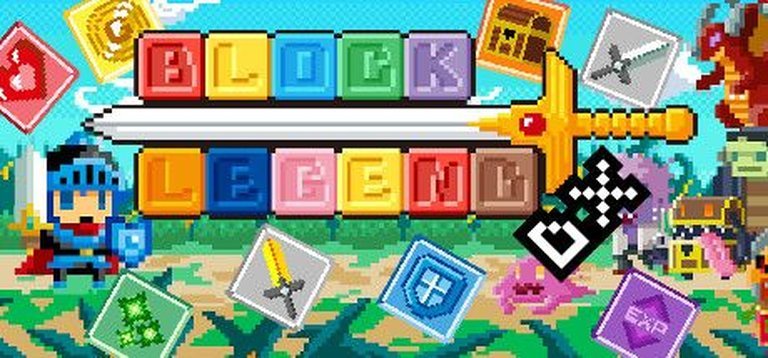
Block Legend DX is a unique fusion of RPG exploration and tile-matching puzzle gameplay set in a vibrant fantasy world. Players select diverse heroes with distinct skills to navigate varied regions, encountering whimsical monsters from classic slimes to imaginative foes like Fatlike Franky. Combat is resolved through strategic tile-matching mechanics where matching tiles trigger actions like attacks, defense, or healing. The game features two modes: ‘walk’ for gaining experience, gold, and preparing for encounters, and ‘battle’ for confrontations against monsters and bosses. Progression includes character stat growth, quest completion, and unlocking new content via starblocks earned from boss victories, all wrapped in colorful pixel art with JRPG influences and synth music.
Gameplay Videos
Where to Buy Block Legend DX
PC
Block Legend DX Patches & Updates
Block Legend DX Guides & Walkthroughs
Block Legend DX: Review
Introduction
In the crowded landscape of indie puzzle RPGs, few titles manage to blend familiar mechanics with such a whimsical, unapologetic reverence for classic Japanese role-playing games as Block Legend DX. Released on February 24, 2015, by Hanaji Games GK, this Linux, Mac, and Windows title is a deceptively complex fusion—a tile-matching puzzle game draped in the vibrant pixel-art aesthetic of a 16-bit JRPG, with turn-based combat and progression systems that evoke the golden age of Square Enix. While its premise is simple—match tiles to attack monsters, heal, or defend—the depth of its character roster, regional diversity, and quest system elevates it beyond a mere novelty. This review argues that Block Legend DX succeeds not by reinventing the wheel, but by perfecting a joyful, accessible formula that honors its influences while carving out a unique identity as a “retro puzzle JRPG.” Despite its modest budget and occasional technical roughness, it remains a charming, addictive testament to the enduring appeal of genre-blending innovation.
Development History & Context
Block Legend DX emerged from Hanaji Games GK, a small studio whose other titles remain obscure, suggesting a passion project rather than a commercial blockbuster. The game was built on the Unity engine, a choice that enabled cross-platform compatibility (Windows, Mac, Linux) but also reflected the era’s indie-friendly development paradigm. Released in 2015—a period marked by the rise of Steam Greenlight and the resurgence of pixel-art indie darlings like Shovel Knight—Block Legend DX arrived amid a wave of nostalgia-driven games. Its creators, operating under the Dot Warrior Games label, explicitly celebrated their influences: the description brims with references to classic JRPGs and Japanese pop culture, from the “Fatlike Franky” (a humorous Frankenstein parody) to the synth-driven soundtrack. Technologically, Unity allowed for smooth tile-matching mechanics and varied regional aesthetics, but it also constrained the scope; the game’s fixed/flip-screen visual style and top-down/side-view perspectives were likely chosen for performance consistency on low-end hardware. The gaming landscape of 2015 saw puzzle games like Puzzle Quest gain cult followings, but Block Legend DX differentiated itself by embracing a lighthearted, almost self-aware tone, positioning itself as a love letter to JRPG tropes rather than a serious competitor.
Narrative & Thematic Deep Dive
While Block Legend DX prioritizes gameplay over narrative, its world-building is steeped in archetypal JRPG charm and playful absurdity. The plot is minimal—a hero’s journey across distinct regions to defeat bosses and unlock new areas—serving as a vehicle for exploration and tile-matching battles. Characters are largely archetypes: a “variety of heroes” with unique skills, quirky NPCs offering quests, and a bestiary blending staples (slimes) with original creations like “Fatlike Franky.” Dialogue is sparse but imbued with humor; one quest asks players to “heal 1,000 HP” or “clear an entire row of tiles,” framing objectives with self-awareness. Thematically, the game celebrates accessibility and variety. Its simplified RPG progression—stats like strength or health increase with level—avoids complexity, reinforcing a theme of approachability. Regions, each with distinct graphics and enemies, symbolize the joy of discovery, while the recurring “starblocks” reward for boss battles echoes classic JRPG collectibles. The absence of a profound narrative is intentional; instead, Block Legend DX uses its world as a playground, where pixelated forests and dungeons exist solely to fuel the addictive loop of matching tiles and overcoming challenges. This thematic focus on playful experimentation over epic storytelling aligns perfectly with its puzzle-centric design.
Gameplay Mechanics & Systems
At its core, Block Legend DX revolves around a dual-mode system: “walk” and “battle.” During exploration, players freely match tiles on a grid to gain experience, gold, or prepare for encounters. When a monster appears, the grid shifts to “battle mode,” where matching identical tiles triggers actions: weapon attacks, defense boosts, or healing. This seamless transition is the game’s masterstroke, turning idle moments into strategic prep. Combat is turn-based but governed entirely by puzzle logic, rewarding foresight—matching tiles in walk mode to create advantageous battle setups. Character progression is streamlined but impactful: leveling up raises stats like strength or vitality, making certain heroes or weapons more effective against specific regional enemies. The game offers a staggering “huge selection of heroes” and “tons of monsters,” encouraging experimentation with different builds. Quests—over 100, per the Steam description—add purpose, from simple HP-healing challenges to complex tile-clearing tasks. An NPC-run dungeon with “increased XP” caters to dedicated grinders, while an arena mode and boss rush provide alternative challenges. The UI is clean and point-and-click oriented, though community discussions note occasional bugs (e.g., achievements not tracking correctly). Despite these hiccups, the tile-matching loop is remarkably addictive; the “addicting puzzle gameplay” promised in the Steam store holds true, especially when paired with the dopamine hit of clearing large combos or landing a critical hit via a well-placed tile match.
World-Building, Art & Sound
Block Legend DX’s world is a vibrant, pixelated tapestry of distinct regions, each a loving homage to JRPG staples. From lush forests to eerie dungeons, every area features unique graphics, enemies, and soundscapes, creating a sense of progression and discovery. The art style is unapologetically “anime/manga,” with charmingly chibi character designs and exaggerated enemy sprites—Fatlike Franky’s rotund form is a standout. The pixel art is sharp and colorful, evoking 16-bit classics while maintaining a modern, lighthearted feel. Sound design emphasizes nostalgia: the “synth music” channels 8-bit and 16-bit FM synth tones, with regional tracks shifting from upbeat exploration themes to tense battle melodies. This auditory palette, combined with the visual style, fosters an atmosphere of whimsical adventure. Environmental details, like NPCs hawking wares or hidden treasures, reinforce the game’s focus on exploration. While not graphically revolutionary, the cohesive art direction and evocative soundscapes create an immersive world that feels both nostalgic and fresh. The “retro” aesthetic is never a crutch; it’s a foundational element that enhances the game’s identity as a puzzle JRPG.
Reception & Legacy
Upon release, Block Legend DX received a mixed but generally warm reception. Steam reviews from 2015 highlight its addictive gameplay and charming presentation, though some criticized its difficulty and occasional technical flaws. The game’s Steam page boasts a 63% positive rating (from 111 reviews at launch), with players praising its “huge selection of heroes” and “tons of quests.” However, negative reviews cited repetitive tile-matching and a lack of narrative depth. Over time, its reputation has stabilized into a cult favorite. Platforms like Steambase note a “Mixed” score (61/100) from 163 reviews, reflecting its niche appeal. Sales data from Raijin shows modest performance (6.15K units sold), underscoring its status as a passion project. Culturally, Block Legend DX remains a footnote in the puzzle-RPG genre, influencing few directly but exemplifying the indie trend of blending mechanics. Its legacy lies in its authenticity: it captures the spirit of JRPGs without pretense, proving that accessible, joyful design can transcend technical limitations. Discussions on Steam highlight its enduring appeal, with players revisiting it for its boss rush or arena modes, cementing its place as a beloved, if underappreciated, gem.
Conclusion
Block Legend DX is a triumph of execution over ambition—a game that takes familiar elements—tile-matching, RPG progression, and JRPG aesthetics—and weaves them into an unexpectedly cohesive whole. Its strengths lie in its seamless gameplay loop, delightful art direction, and sheer variety, which ensure that every session feels rewarding. While the narrative is thin and technical issues persist, these flaws are overshadowed by the game’s infectious charm and addictive mechanics. As a historical artifact, it represents a specific moment in indie gaming: a time when Unity enabled small studios to channel nostalgia into innovative, accessible experiences. For genre enthusiasts and puzzle-RPG fans, it remains a hidden gem worth revisiting. Its legacy, modest but secure, is one of joyful, unpretentious fun—a reminder that sometimes the best games are those that wear their influences proudly while creating something uniquely their own. Final Verdict: A charming, addictive, and historically significant indie title that perfects a niche formula. Recommended for puzzle and JRPG enthusiasts willing to embrace its quirks.