
- Release Year: 2020
- Platforms: Windows
- Publisher: YC Games
- Developer: YC Games
- Genre: Action, Strategy, Tactics
- Perspective: Diagonal-down
- Game Mode: Single-player
- Gameplay: characters control, Direct control, Fighting, Hack and Slash, Multiple units, Point and select, Real-time strategy (RTS)
- Average Score: 60/100
Description
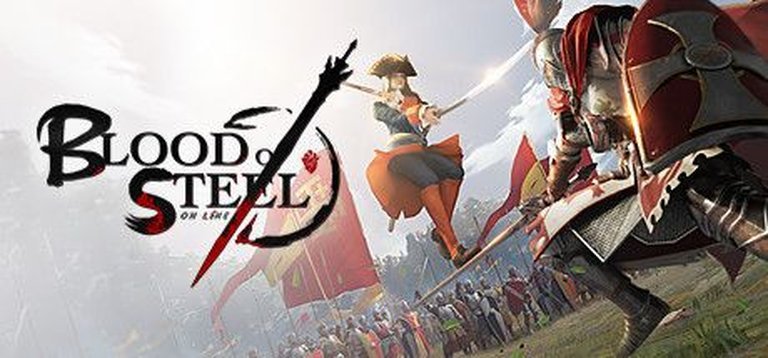
Blood of Steel is a medieval multiplayer strategy game where players command historical generals and their troops in tactical warfare. Set across dynamic terrains with weather effects, it combines large-scale PvP battles, hero-based duels, and strategic unit management, allowing players to conquer territories and expand their influence in a richly detailed medieval world.
Gameplay Videos
Where to Buy Blood of Steel
PC
Blood of Steel Guides & Walkthroughs
Blood of Steel Reviews & Reception
mmos.com (44/100): +Fast-paced tactical action combat.
Blood of Steel: A Titan Forged in the Crossroads of History and Combat
A Tactical Odyssey Through Time and Steel
Introduction: When Legends Clash in Digital Arenas
In an era saturated with battle royales and hero shooters, Blood of Steel arrives not with a whisper, but a thunderous war cry. Developed by YC Games and released in October 2020, this free-to-play tactical MOBA-RTS hybrid dares to merge the cerebral weight of real-time strategy with the visceral thrill of medieval combat. Set against a tapestry of historical warlords and mythic heroes—from Joan of Arc to Leonidas—the game asks a simple yet profound question: Can the clang of steel and the weight of command coexist in modern multiplayer design? While flawed in execution, Blood of Steel carves its niche as a love letter to tacticians and history fanatics, albeit one etched with visible seams.
Development History & Context: Ambition in the Shadow of Giants
Studio Vision:
YC Games, a Chinese developer, sought to create a spiritual successor to Mount & Blade’s directional combat while infusing it with MOBA-like hero dynamics and RTS troop management. Their 2016 announcement promised “authentic medieval warfare” with a roster spanning Eastern and Western legends—a vision realized through iterative beta phases leading to its delayed 2020 Steam launch.
Technological Constraints:
Built on PhysX for physics and FMOD for sound, the engine prioritized unit density over graphical fidelity. This allowed large-scale sieges but resulted in dated textures and stiff animations compared to contemporaries like For Honor. The decision to support DirectX 9 alongside DX11 broadened accessibility but limited visual innovation.
Release-Era Landscape:
Blood of Steel debuted amid a resurgence of tactical melee games (Mordhau, Chivalry II) and live-service titles. Its fusion of RTS unit command and hero-centric PvP evoked comparisons to Conqueror’s Blade, yet YC Games differentiated itself by emphasizing historical authenticity and faster-paced combat. The free-to-play model, however, placed it in direct competition with goliaths like Warframe and League of Legends.
Narrative & Thematic Deep Dive: Mythology as Scaffolding
Plot & Characters:
The game eschews traditional storytelling, framing matches as clashes between “Awakeners”—vessels for the spirits of dead generals. While Leonidas shouts Spartan epithets and Hua Mulan evokes Chinese poetry, their narratives are reduced to biographical snippets in hero menus. This minimalism serves gameplay but squanders potential; Arthur Pendragon’s Knights of the Round Table feel functionally identical to Caesar’s legions beyond aesthetic differences.
Themes:
Blood of Steel fixates on mythologized history—a theme underscored by its anachronistic hero roster. Joan of Arc fights alongside samurai, erasing timelines for spectacle. This “greatest hits” approach to warfare emphasizes universal truths: terrain dictates victory, discipline triumphs over chaos, and leaders are forged in the crucible of command. Yet, the absence of cultural nuance (e.g., Viking “brutality” reduced to a damage buff) renders its historicity superficial.
Gameplay Mechanics & Systems: The Dance of Blade and Battalion
Core Loop:
Matches oscillate between commanding troops (RTS) and controlling heroes (action/MOBA). Players issue orders via radial menus—Hold Position, Charge, Form Shield Wall—while engaging in directional melee combat. A single match might involve:
– Flanking archers with cavalry (RTS macro)
– Dueling an enemy hero with timed blocks/combos (action micro)
– Capturing siege objectives under arrow volleys (hybrid)
Combat Innovations:
The system expands Mount & Blade’s four-directional attacks with:
– Heavy Attacks: Shield-breaking blows (Harald’s axe)
– Dash Cancels: Evasive rolls to reset combos
– Class Synergies: Warriors tank, Rangers snipe, Riders harass
Progression & Monetization:
Hero unlocks (50+ generals) rely on grind or premium currency. A typical unlock takes 15–20 hours, incentivizing microtransactions—a contentious design given $20+ cosmetic skins. The Open World SLG mode (added in 2023) introduced territory control but suffered from faction imbalance.
Flaws:
– Cluttered UI: Vital unit commands drown in nested menus.
– Bot Reliance: Low player counts fill matches with AI, undermining tension.
– Grind Walls: Campaign missions require PvP grinding to access.
World-Building, Art & Sound: A Canvas of Clashing Eras
Visual Design:
Character models dazzle with historically inspired armor (Roman lorica segmentata, samurai kabuto) but clash with garish cosmetics (neon weapon effects). Environments—snowy plains, rain-soaked castles—are serviceable yet sterile, lacking destructibility or dynamic interactivity beyond weather cycles.
Atmosphere:
Dynamic weather (fog obscuring archers, rain muddying charge paths) elevates tactical depth. Night battles with torchlit sieges evoke cinematic grandeur, though repetitive map layouts dull the impact over time.
Sound Design:
Epic orchestral scores amplify the medieval fantasy, but voice acting falters. Harald’s Norwegian growls and Mulan’s Mandarin quips suffer from stilted delivery, as if translated via text-to-speech. The crunch of axes and twang of bows, however, sell the brutality of melee.
Reception & Legacy: A Cult Following Amid Stiff Winds
Launch Reception:
Blood of Steel earned “Mostly Positive” Steam reviews (76/100 from 6,866 reviews). Critics praised:
– Accessible tactical depth (Gamepressure: 7.6/10)
– Hero variety (3rd-Strike: 6.7/10)
Yet panned:
– Bugs (client crashes, matchmaking errors)
– Monetization (MMOs.com: “exorbitant skins”)
Evolution & Influence:
Post-launch updates added guild wars, PvE rogue-lites, and crossover heroes (e.g., Lu Bu). While never rivaling Conqueror’s Blade’s player base, it inspired indie hybrids like Myth of Empires. Its legacy lies in proving that niche historical combat can thrive—if polished.
Conclusion: A Flawed Relic, Yet a Worthy Blade
Blood of Steel is a paradox: a game that excels in moment-to-moment tactical brilliance yet stumbles under the weight of its own ambition. Its combat system—a masterclass in merging strategy and action—deserves study, while its monetization and presentation warrant critique. For history buffs and tacticians, it offers a unique sandbox where Julius Caesar can lead a cavalry charge against Viking berserkers. For others, the grind and jank may prove insurmountable.
In the pantheon of multiplayer titles, Blood of Steel is no Mount & Blade killer—but as a bold experiment in hybrid warfare, it carves a bloodstained notch into gaming history. 7/10 – A diamond in the rough, best enjoyed by those patient enough to overlook its scars.