
- Release Year: 2003
- Platforms: Windows
- Publisher: Epsitec SA
- Developer: Epsitec SA
- Genre: Puzzle
- Perspective: Diagonal-down
- Game Mode: Single-player
- Gameplay: Command sequencing, Level editor, Puzzle-solving
- Setting: Fantasy
- Average Score: 77/100
Description
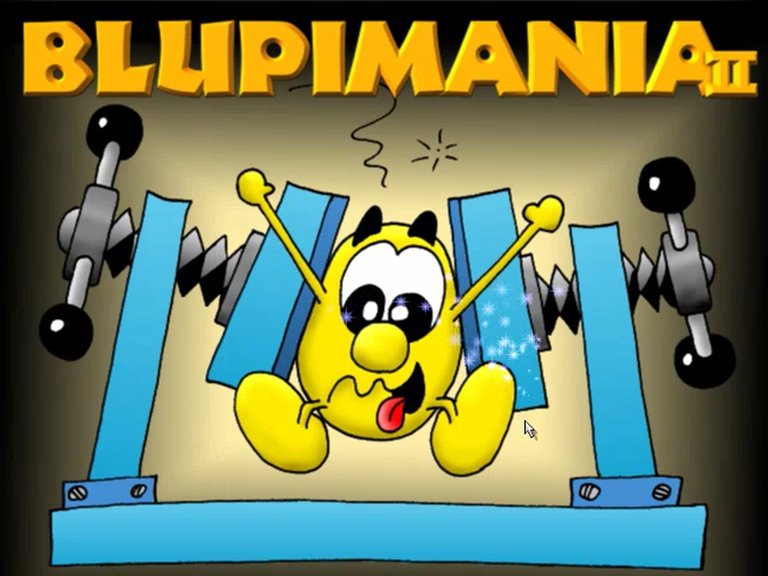
Blupimania II is a puzzle game where players guide Blupi, a yellow egg-shaped character, through 80 levels across diverse themes like futuristic, pirate, and castle settings. Blupi must navigate obstacles, manipulate objects like crates and machinery, and use various tools to reach his balloon and advance. The game features a level editor, challenge modes, and introduces new mechanics progressively, blending strategy with lighthearted fun.
Gameplay Videos
Blupimania II Cracks & Fixes
Blupimania II Guides & Walkthroughs
Blupimania II Reviews & Reception
mobygames.com (77/100): The yellow egg-shaped character, Blupi, must navigate his way through one level after another in this puzzle game to find his balloon after which he floats upwards to the next level.
Blupimania II Cheats & Codes
BlupiMania-2 v1.0e
Replace the file info.gam in the BlupiMania-2/savegame/user directory.
| Code | Effect |
|---|---|
| info.gam | Unlocks all 80 levels |
Blupimania II: A Puzzle Masterpiece of the Early 2000s
Introduction
In the vast and often overlooked landscape of early 2000s puzzle games, Blupimania II stands as a testament to the creativity and ingenuity of its developers. Released in 2003 by Epsitec SA, this sequel to the original Blupimania refined and expanded upon its predecessor’s mechanics, delivering a puzzle experience that was both challenging and charming. With its unique blend of strategic planning, environmental interaction, and whimsical aesthetics, Blupimania II carved out a niche for itself in the puzzle genre, offering a refreshing alternative to the more action-oriented games of its time.
Development History & Context
Epsitec SA: The Studio Behind the Game
Epsitec SA, a Swiss software development company, was the creative force behind Blupimania II. Known for their educational and puzzle games, Epsitec had a knack for creating engaging and intellectually stimulating experiences. The studio’s portfolio included other notable titles such as CoLoBot, CeeBot-A, and BuzzingCars, all of which shared a focus on problem-solving and interactive gameplay.
The Vision and Evolution
The original Blupimania was a puzzle game that introduced players to the adorable, egg-shaped character Blupi. The game’s core mechanic involved guiding Blupi through various levels to reach a balloon, which would then transport him to the next stage. Blupimania II built upon this foundation, introducing new mechanics, more complex puzzles, and a wider array of interactive elements.
Technological Constraints and Innovations
Developed in the early 2000s, Blupimania II was constrained by the technological limitations of the time. The game utilized a 2D scrolling perspective with a diagonal-down view, which allowed for a clear and intuitive representation of the game’s environments. Despite these constraints, the developers managed to create a visually appealing and mechanically rich experience.
The Gaming Landscape of 2003
The early 2000s were a period of transition in the gaming industry. While 3D graphics and immersive storytelling were becoming increasingly prevalent, there was still a strong market for 2D puzzle games. Blupimania II entered this landscape as a shareware title, offering a free trial with the option to purchase the full game. This business model was common for indie and smaller studio games at the time, allowing players to sample the game before committing to a purchase.
Narrative & Thematic Deep Dive
Plot and Characters
Blupimania II follows the adventures of Blupi, a cheerful, egg-shaped character who must navigate through a series of intricate puzzles to reach his balloon. The game’s narrative is minimal, focusing instead on the gameplay and the joy of solving puzzles. Blupi’s journey takes him through a variety of themed environments, each with its own unique challenges and aesthetic.
Themes and Atmosphere
The game’s themes revolve around problem-solving, perseverance, and the joy of discovery. The whimsical and colorful visuals create a lighthearted and engaging atmosphere, making the game accessible to players of all ages. The absence of a complex narrative allows the gameplay to take center stage, emphasizing the satisfaction of overcoming each puzzle.
Dialogue and Interaction
While Blupimania II does not feature extensive dialogue, the game’s interface and feedback mechanisms are designed to be intuitive and user-friendly. Players receive visual and auditory cues to guide their actions, ensuring that the focus remains on the puzzle-solving experience.
Gameplay Mechanics & Systems
Core Gameplay Loop
At its heart, Blupimania II is a puzzle game that challenges players to guide Blupi through a series of levels, each filled with obstacles, traps, and interactive elements. The core gameplay loop involves observing the environment, planning a sequence of actions, and executing those actions to reach the balloon.
Movement and Interaction
Blupi can move in four directions and interact with various objects in the environment. Players can push crates, operate machinery, and use a variety of tools to manipulate the environment. The game’s controls are simple and intuitive, allowing players to focus on the puzzle-solving aspect.
Puzzle Design and Complexity
The game features 80 levels, each with its own unique layout and challenges. The puzzles are designed to gradually increase in complexity, introducing new mechanics and obstacles as players progress. This gradual progression ensures that players are constantly challenged without becoming overwhelmed.
Tools and Mechanisms
Blupimania II introduces a wide array of tools and mechanisms that players can use to solve puzzles. These include mines, cranes, traps, catapults, tunnels, pushers, robots, doors, diving boards, large balls, window panes, perforators, cages, bombs, force potions, glue potions, carts, and destructors. Each tool has its own unique properties and uses, adding depth and variety to the gameplay.
Multiple Blupis and Cooperative Play
In some levels, players must control multiple Blupis simultaneously. This adds an additional layer of complexity, as players must coordinate the actions of multiple characters to solve the puzzle. The game also features “nasty” Blupis, which can be triggered by certain events and must be managed carefully to avoid complications.
Game Modes
In addition to the main puzzle mode, Blupimania II offers a challenge mode with extra puzzles of varying difficulty levels. The game also includes a level editor, allowing players to create and share their own puzzles with others. This feature extends the game’s replayability and fosters a sense of community among players.
User Interface and Feedback
The game’s user interface is designed to be clean and intuitive, with clear visual indicators and feedback mechanisms. Players can easily track their progress and receive immediate feedback on their actions, ensuring a smooth and enjoyable gameplay experience.
World-Building, Art & Sound
Setting and Atmosphere
Blupimania II features a variety of themed environments, each with its own unique aesthetic and challenges. These themes include futuristic, pirate, laboratory, factory, volcano, movie set, dressers-and-drawers, scary castle, ice, and swamp locales. The diverse settings keep the gameplay fresh and engaging, offering a wide range of visual and mechanical variety.
Visual Direction
The game’s visual style is whimsical and colorful, with a focus on clarity and readability. The 2D scrolling perspective and diagonal-down view allow for a clear representation of the game’s environments, ensuring that players can easily navigate and interact with the various elements.
Sound Design
The sound design in Blupimania II is simple yet effective, with clear auditory cues to guide players’ actions. The game’s soundtrack features a variety of tunes, including adaptations of classic songs such as “When the Saints Go Marching In” and “Hello, My Ragtime Gal.” These musical choices add a touch of nostalgia and charm to the gameplay experience.
Reception & Legacy
Critical Reception
Blupimania II received generally positive reviews from critics, with an average score of 77% based on three ratings. Critics praised the game’s challenging puzzles, intuitive controls, and engaging gameplay. Absolute Games (AG.ru) gave the game a score of 85%, highlighting its high-quality graphics, convenient controls, and diverse puzzles. The Adrenaline Vault (AVault) awarded the game 80%, commending its brilliant design decisions and fun gameplay. 7Wolf Magazine gave the game a score of 66%, noting its appeal to fans of puzzle games and its lighthearted humor.
Commercial Reception
As a shareware title, Blupimania II enjoyed moderate commercial success. The game’s free trial allowed players to sample the gameplay before purchasing the full version, which helped to attract a wider audience. The game’s appeal to puzzle enthusiasts and its engaging mechanics contributed to its commercial viability.
Evolution of Reputation
Over the years, Blupimania II has maintained a positive reputation among puzzle game enthusiasts. Its unique blend of strategic planning, environmental interaction, and whimsical aesthetics has ensured its place as a beloved classic in the genre. The game’s level editor and community features have also contributed to its enduring appeal, fostering a sense of community and creativity among players.
Influence on Subsequent Games
While Blupimania II may not have had a direct influence on mainstream gaming trends, its innovative puzzle design and engaging mechanics have inspired other indie developers to explore similar concepts. The game’s emphasis on strategic planning and environmental interaction has resonated with players and developers alike, contributing to the ongoing evolution of the puzzle genre.
Conclusion
Blupimania II is a testament to the creativity and ingenuity of its developers, offering a puzzle experience that is both challenging and charming. With its unique blend of strategic planning, environmental interaction, and whimsical aesthetics, the game has carved out a niche for itself in the puzzle genre. Its engaging mechanics, diverse settings, and community features have ensured its enduring appeal, making it a beloved classic among puzzle game enthusiasts. While it may not have achieved mainstream success, Blupimania II remains a shining example of the innovative and engaging experiences that indie developers can create.