
- Release Year: 2024
- Platforms: Windows
- Publisher: Bober Bros
- Developer: Bober Bros
- Genre: Adventure
- Perspective: 1st-person
- Game Mode: Single-player
- Setting: Apartment
- Average Score: 80/100
Description
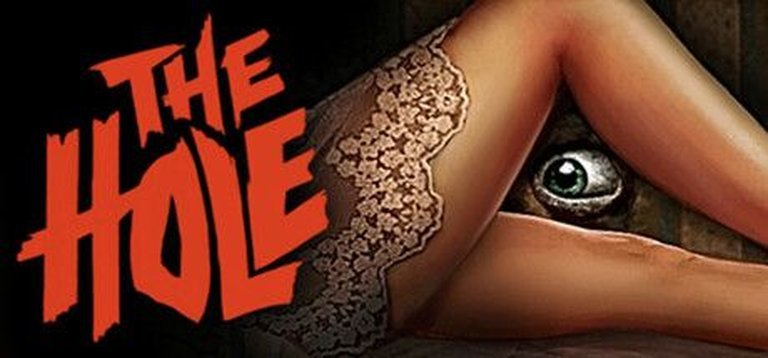
In ‘Bober Bros: The Hole’, players assume the role of an unnamed protagonist trapped in a surreal, deteriorating apartment, living a repetitive and isolating existence fueled by beer and voyeuristic tendencies. Through first-person exploration, the game delves into themes of abuse, trauma, and guilt, blending grotesque imagery and psychological horror as the protagonist confronts haunting memories of his dark past. The environment itself twists into a nightmarish reflection of his psyche, forcing players to piece together a narrative of neglect and monstrous actions.
Gameplay Videos
Where to Buy Bober Bros: The Hole
PC
Bober Bros: The Hole Free Download
Bober Bros: The Hole Patches & Updates
Bober Bros: The Hole Guides & Walkthroughs
Bober Bros: The Hole Reviews & Reception
gamegrin.com (80/100): A fantasy-horror-dark-comedy like no other.
Bober Bros: The Hole: A Masterclass in Psychological Horror and Thematic Storytelling
Introduction
In an era dominated by AAA blockbusters and jump-scare-laden horror, Bober Bros: The Hole (2024) emerges as a sleeper hit that defies expectations. A harrowing, 40-minute descent into domestic terror, this first-person indie gem explores abuse, guilt, and generational trauma with unflinching honesty. Developed by the Ukraine-based Bober Bros—a studio whose mission is to expose the “violence of reality” through games—The Hole is not merely a horror experience but a visceral commentary on cycles of cruelty. Its thesis is clear: horror derives not from monsters, but from the rot festering within broken human psyches.
Development History & Context
Studio Vision and Cultural Roots
Bober Bros, founded by developers with lived experience of familial abuse (described in their Substack interview as a response to traumatic childhoods), sought to subvert the shock-value tropes of mainstream horror. Their previous title, It’s Just a Prank (2023)*, introduced themes of child abuse, but *The Hole refined their vision with sharper storytelling and technical execution. Rooted in Interslavic culture, the game features fully voiced Ukrainian/Interslavic dialogue—a bold choice that amplifies its authenticity and regional identity.
Technological Constraints and Nostalgia
Built on a shoestring budget, The Hole embraces PS2-era aesthetics: chunky polygons, low-res textures, and a muted color palette reminiscent of early 2000s horror like Silent Hill 2. This deliberate retro style masks limited resources while evoking nostalgia for an era when atmospheric tension trumped graphical fidelity. Engine limitations—such as crackling audio noted by GameGrin—were offset by minimalist design, focusing on environmental storytelling over complex mechanics.
Industry Landscape
Released amidst a booming indie-horror market (Mouthwashing, Bad Parenting), The Hole distinguished itself by eschewing cheap scares for psychological realism. Its December 2024 launch capitalized on Steam’s winter sale, earning viral traction among horror aficionados craving substance over spectacle.
Narrative & Thematic Deep Dive
Plot as Fragmented Memory
Players inhabit an unnamed alcoholic recluse trapped in a surreal apartment complex. Daily routines—drinking beer, microwaving cereal, watching absurdist TV—are interrupted by a neighbor’s drilling, which bores holes into the walls. Peering through these portals reveals fragmented memories of the protagonist’s abusive past: his violent father, his murdered wife, and his daughter Agatha.
Characters as Mirrors of Trauma
The neighbor is revealed to be a distorted projection of the protagonist himself—a literal “hole” into his denial. Dialogue choices (e.g., blaming his wife for his actions) expose his victim-blaming mentality. Agatha, portrayed through Russian dolls symbolizing her diminishing innocence, embodies intergenerational abuse.
Themes of Voyeurism and Complicity
The act of peering through holes forces players to confront their voyeurism. As Dot Esports notes, the game weaponizes this dynamic: “You’re not allowed to back away from the hole.” The toilet’s crying baby and Agatha’s skirt-up visuals imply sexual abuse, alluding to horrors left unspoken but devastatingly implied.
Endings: Cowardice vs. Catharsis
- Ending A: The protagonist refuses suicide, trapped in a loop of self-pity.
- Ending B: A false-choice suicide (the gun jams) leads to a gut-wrenching climax where Agatha’s doll-peeling symbolizes her shattered childhood.
The finale delivers a direct message to survivors: “Bruises fade, but the rest stays with you. Don’t sit in silence.”
Gameplay Mechanics & Systems
Core Loop: Mundanity as Horror
The gameplay hinges on banal interactions:
– Drinking Beer: Empty cans litter the apartment, reflecting the protagonist’s decay.
– TV Watching: Public-domain cartoons and eerie broadcasts (with nods to Twin Peaks) distract from escalating dread.
– Hole Peering: Clicking on holes triggers Lynchian nightmares—disjointed, voyeuristic flashes of violence.
Dialogue options (e.g., sympathizing with or mocking the neighbor) lack narrative branching but deepen character study.
Innovations and Flaws
- Strengths: The absence of combat or traditional puzzles focuses players on emotional engagement. Achievements incentivize replaying to uncover subtle clues (e.g., hidden cassettes with original music).
- Weaknesses: Audio glitches (reported by GameGrin) disrupt immersion. The 40-minute runtime, while potent, limits exploration of secondary characters.
World-Building, Art & Sound
Visual Design: Decay and Symbolism
The apartment evolves from sunlit banality to claustrophobic nightmare. Beer cans pile into grotesque sculptures, and walls bleed static like corrupted VHS tapes. PS2-inspired low-poly models—especially the neighbor’s distorted face—evoke uncanny unease.
Soundscape: A Symphony of Dread
Interslavic voice acting (with subtitles) heightens cultural specificity. Ambient noises—dripping faucets, distant screams—build tension without jump scares. Critiques of audio mixing aside, the score’s dissonant钢琴 melodies (akin to Mouthwashing) underscore psychological collapse.
Reception & Legacy
Critical Acclaim and Controversy
With an 80% Metacritic average and “Very Positive” Steam reviews (85% of 621 ratings), critics praised its thematic boldness. GameGrin hailed its “subtl[ety] where others use cheap thrills,” while Gaming Respawn lauded its “miniaturized horror for the modern era.” However, its graphic themes divided players—some found it cathartic, others exploitative.
Commercial Impact
Priced at $2.99 (often discounted), it sold modestly but cemented Bober Bros as a studio unafraid of taboo topics. Its advocacy message—linking to abuse support resources—set a precedent for “games as therapy.”
Industry Influence
The Hole inspired a wave of trauma-focused indies, notably the upcoming Happy House (a Bober Bros project about maternal abuse). Its PS2-era revival also fueled nostalgia-driven design in titles like Iron Lung.
Conclusion
Bober Bros: The Hole is a masterwork of economical storytelling, marrying retro aesthetics with avant-garde horror. Though flawed technically, its unflinching examination of abuse—framed through surrealism and cultural specificity—secures its place as a landmark in psychological gaming. It challenges players to stare into the abyss of human cruelty, emerging not with fear, but empathy. As both art and advocacy, The Hole proves that games can be mirrors to society’s darkest corners—and lanterns for those trapped within them.
Final Verdict: A definitive entry in horror’s evolution, essential for its ambition, authenticity, and emotional resonance.