
- Release Year: 2017
- Platforms: Macintosh, Windows
- Publisher: Unknown
- Developer: Unknown
- Genre: Action
- Perspective: 3rd-person
- Game Mode: Single-player
- Gameplay: Direct control, Fixed, Flip-screen
- Setting: Fantasy
- Average Score: 96/100
Description
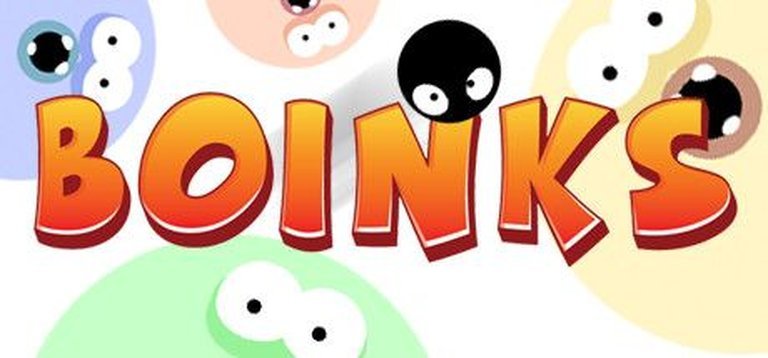
Boinks is a whimsical action game where players inflate and maneuver giggling balls called Boinks across a fantasy setting. The objective is to fill the screen with these happy characters while avoiding obstacles and foes. With 16 unique character voices, 8 seasonal environments, and a deviously addictive puzzle element, Boinks offers wholesome fun for players of all ages.
Where to Buy Boinks
PC
Boinks Reviews & Reception
steambase.io (96/100): Player Score of 96 / 100 from 45 reviews.
Boinks: A Deep Dive into a Forgotten Gem
Introduction
Boinks (2017) is a quirky, underappreciated title that defies easy categorization. At first glance, it appears to be a simple, whimsical action-puzzle game, but beneath its deceptively childlike surface lies a surprisingly complex and addictive experience. Developed by the enigmatic studio “Born in 1978” and released on November 27, 2017, Boinks was met with a mix of curiosity and confusion upon its launch. Priced at a mere $0.99 on Steam, it flew under the radar of most critics and players, yet it has since cultivated a niche following among those who appreciate its unique charm. This review will dissect Boinks in detail, examining its development, gameplay, and lasting impact on the indie gaming landscape.
Development History & Context
The Studio and Its Vision
Boinks was developed by the obscure studio “Born in 1978,” a name that suggests a playful or nostalgic homage to classic game development. Little is known about the studio’s background or its other projects, adding an air of mystery to the game’s origins. The developers’ vision for Boinks appears to be rooted in simplicity and accessibility, with a focus on creating a game that is “easy to play, impossible to master,” as described in the Steam store page.
Technological Constraints and the Gaming Landscape
Released in 2017, Boinks arrived during a period of rapid innovation in indie game development. The Unity engine, which powered Boinks, was already a well-established tool for indie developers, allowing for relatively low-cost production of 2D and 3D games. The game’s fixed/flip-screen perspective and direct control scheme hark back to older arcade-style games, suggesting that the developers were influenced by classic titles while attempting to infuse them with modern sensibilities.
The gaming landscape in 2017 was dominated by high-budget AAA titles like The Legend of Zelda: Breath of the Wild and Horizon Zero Dawn, as well as indie darlings like Cuphead and Hollow Knight. Boinks stood out as a minimalist, experimental title that didn’t fit neatly into any of the prevailing trends. Its low price point and lack of marketing likely contributed to its initial obscurity.
Narrative & Thematic Deep Dive
Plot and Characters
Boinks lacks a traditional narrative, but its premise is straightforward: players must populate the screen with “happy Boinks” (inflatable balls) while avoiding “nasty bouncies” (enemies). The game’s official description emphasizes the “wholesome fun for the whole family” aspect, suggesting a lighthearted, family-friendly tone. The absence of a complex story allows the gameplay to take center stage, though the game’s eight seasonal environments provide a sense of progression and variety.
Themes and Dialogue
The game’s themes revolve around simplicity, repetition, and mastery. The act of inflating and dropping Boinks is meditative yet challenging, creating a paradoxical experience that is both relaxing and frustrating. The 16 unique character voices add a layer of personality to the otherwise silent game world, though their dialogue is minimal and often humorous. The “large giggling balls” mentioned in the Steam description hint at a playful, almost surreal sense of humor that permeates the game.
Gameplay Mechanics & Systems
Core Gameplay Loop
The core gameplay loop of Boinks is deceptively simple: players use the mouse to inflate Boinks by holding down the left mouse button and release to drop them. The goal is to fill the screen with Boinks while avoiding enemies and obstacles. The game’s difficulty lies in its precision and timing—players must carefully navigate the screen to avoid popping their Boinks on enemies or objects.
Combat and Progression
There is no traditional combat in Boinks; instead, the game relies on evasion and strategy. Players must balance the number of Boinks on screen with the risk of encountering enemies. The game’s puzzle element comes into play as players must decide when to inflate and drop Boinks to maximize their screen coverage without getting hit.
User Interface and Controls
The UI is minimalistic, with no HUD or complex menus. The direct control scheme is intuitive, requiring only basic mouse movements. However, the lack of a tutorial or clear instructions may confuse new players, as noted in a Reddit post discussing the game’s confusing start.
Innovations and Flaws
Boinks‘s greatest strength is its simplicity, which allows for a unique, almost therapeutic gameplay experience. However, this simplicity also leads to its main flaw: the game can feel repetitive and lacking in depth for some players. The absence of a tutorial or clear objectives may alienate casual players, while the game’s difficulty curve may frustrate those seeking a more structured challenge.
World-Building, Art & Sound
Setting and Atmosphere
The game’s eight seasonal environments provide a visual variety that enhances the gameplay experience. From snowy landscapes to sunny meadows, each environment is designed to be visually appealing while maintaining the game’s whimsical tone. The fixed/flip-screen perspective adds a retro feel, evoking memories of classic arcade games.
Visual Direction
The art style is cartoonish and colorful, with a focus on bright, cheerful colors. The Boinks themselves are large, round, and expressive, with exaggerated facial features that convey their “happy” nature. The enemies, or “nasty bouncies,” are equally expressive, with exaggerated, almost comical designs that contrast with their role as obstacles.
Sound Design
The sound design is minimal but effective. The giggling of the Boinks and the bouncing sounds of the enemies create a playful atmosphere. The lack of a musical score may be a missed opportunity, as background music could have enhanced the game’s whimsical tone.
Reception & Legacy
Critical and Commercial Reception
Boinks received little critical attention upon its release, with no critic reviews available on Metacritic or MobyGames. However, player reviews on Steam paint a more positive picture, with the game achieving a Player Score of 96/100 based on 45 reviews as of October 25, 2025. Players praised the game’s unique concept, addictive gameplay, and charming visuals.
Influence and Impact
Despite its obscurity, Boinks has had a subtle influence on the indie game scene. Its focus on simplicity and accessibility has inspired other developers to experiment with minimalist gameplay mechanics. The game’s use of humor and whimsy has also contributed to a broader trend of indie games embracing playful, unconventional themes.
Conclusion
Boinks is a game that defies easy categorization. Its simple premise belies a surprisingly deep and addictive gameplay experience. While it may not have achieved widespread acclaim or commercial success, it has carved out a niche for itself among players who appreciate its unique charm. The game’s legacy lies in its ability to challenge players with minimalist mechanics and its whimsical, humorous approach to game design.
In the grand tapestry of video game history, Boinks may be a small thread, but it is a thread that adds color and texture to the fabric of indie gaming. Its place in video game history is secure as a testament to the power of simplicity and the enduring appeal of playful, experimental game design.