
- Release Year: 2014
- Platforms: Macintosh, Windows
- Publisher: Big Fish Games, Inc
- Developer: Boomzap Pte. Ltd.
- Genre: Adventure
- Perspective: 1st-person
- Game Mode: Single-player
- Gameplay: Hidden object, Puzzle elements
- Setting: Fantasy, Futuristic, Sci-fi
- Average Score: 80/100
Description
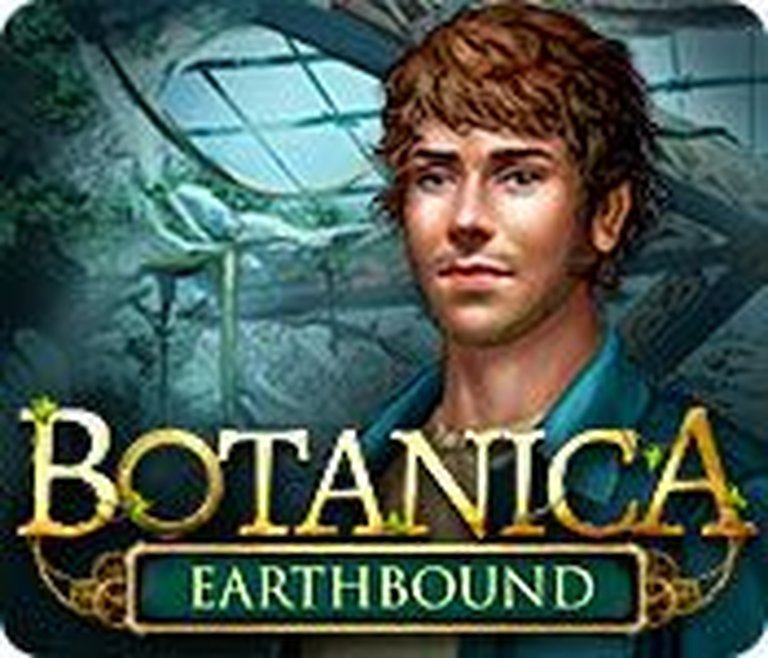
In Botanica: Earthbound, botanist Dr. Ellie Wright, stranded on the exotic planet Botanica while searching for her father who vanished 20 years ago, teams up with scientist Ian Garrett after a volcano erupts, embarking on a hidden object puzzle adventure blending fantasy and sci-fi elements to find a way back to Earth, solving challenges with botanist and chemist kits in a first-person perspective.
Gameplay Videos
Where to Buy Botanica: Earthbound
PC
Botanica: Earthbound Guides & Walkthroughs
Botanica: Earthbound Reviews & Reception
en.wikipedia.org (80/100): fantastic in almost every aspects from the visuals, audio to the gameplay
Botanica: Earthbound: Review
Introduction
Imagine crash-landing on an alien world teeming with bioluminescent flora, spike-fanged beasts, and ancient ruins, only for a cataclysmic volcano to erupt, forcing you into a desperate race against molten doom—all while switching between two protagonists with complementary skills. Botanica: Earthbound (2014), the sequel to Boomzap Entertainment’s 2012 hit Botanica: Into the Unknown, delivers exactly this pulse-pounding premise in the casual hidden object puzzle adventure (HOPA) genre. As the second entry in a short-lived but beloved series exclusive to Big Fish Games, it builds on its predecessor’s foundation of genre-blending fantasy-sci-fi exploration, introducing dual-character control and kit-based crafting that elevate it beyond typical point-and-click fare. This review argues that Earthbound represents a high-water mark for mid-2010s casual adventures: a meticulously crafted gem that punches above its weight in storytelling, innovation, and atmosphere, even if its niche release limited its broader legacy.
Development History & Context
Boomzap Entertainment, a Singapore-based studio founded in 2005 by industry veteran Christopher Natsuume, has long specialized in casual games for digital distribution platforms like Big Fish Games. By 2013, Boomzap had honed a reputation for polished HOPAs with Mystery of Mortlake Mansion and Emma’s Hope, but Botanica: Into the Unknown marked their ambitious pivot to original IP blending botanical fantasy with sci-fi survival. Earthbound followed swiftly, with its Collector’s Edition launching December 14, 2013, and standard edition on January 13, 2014, for Windows and Macintosh (later iOS ports for the first game hinted at mobile ambitions).
Creative Director Christopher Natsuume oversaw a 52-person team, including Technical Director Allan Simonsen, programmer Adrian Tung, and a robust design/writing core led by Mary Eleonor Tan and Paraluman Cruz. Art came from talents like Agung Wulandana and Vania Marita Oei, emphasizing hand-painted exotic locales. The era’s technological constraints—download-only titles on aging PCs/Macs with mouse-only input—shaped its 1st-person perspective and streamlined UI, avoiding the bloat of AAA engines. Casual gaming in 2013-2014 was dominated by Big Fish’s ecosystem, where HOPAs like Mystery Case Files ruled, but Earthbound arrived amid a surge in genre innovation (e.g., The Room‘s puzzles). Boomzap’s vision was clear: expand the series’ “stranded on an alien planet” hook with dual protagonists and reactive kits, responding to fan demand for deeper narratives in a market shifting toward free-to-play mobile but still valuing premium $6.99 downloads. No major hurdles like hardware limits stifled ambition; instead, it leveraged Flash-era efficiencies for vibrant 2D art and voice acting.
Narrative & Thematic Deep Dive
Botanica: Earthbound weaves a taut, character-driven tale across six chapters—Shipwreck, Temple, Old Capital, Whale, Volcano Outpost, and Portal—directly continuing Into the Unknown. Dr. Ellie Wright, the botanist protagonist from the first game, searches for her father, missing for 20 years on Botanica, a lush yet perilous planet of exotic creatures and hybrid tech-ruins. A volcano’s eruption strands her further, allying her with Ian Garrett, a chemist/scientist desperate to return to his daughter on Earth. Players alternate between Ellie (botany-focused) and Ian (chemistry-focused), their paths converging amid familiar faces like Queen Kassandra (a reformed foe), Sullivan, Gustav, Lois, and Joe.
The plot unfolds via journal entries, voiced cutscenes, and environmental storytelling: Ellie’s arc explores paternal loss and resilience (e.g., decoding university logos tied to her father’s legacy), while Ian grapples with fatherhood and trust (rescuing Kassandra via first-aid kits). Dialogue, penned by Tan and Cruz, is concise yet poignant—e.g., Ian’s tender exchanges with his daughter via radio snippets humanize the sci-fi stakes. Themes delve deep: survival amid catastrophe mirrors real-world disasters, with the volcano as a ticking clock; interdependence shines in dual play, where Ellie’s plant-based tools aid Ian’s chemical ones; exploration vs. homecoming pits Botanica’s wonders (thornfruits, bellflowers) against Earth’s pull, blending fantasy whimsy (spiked tigers, patterned fish) with sci-fi isolation (crash-landed ships, portals). Subtle motifs like wedding rings and photographs evoke personal histories, while moral ambiguity (allying with ex-enemies) adds nuance rare in casual games. Pacing masterfully builds tension, from shipwreck scavenging to portal climax, culminating in a heartfelt escape—earning praise like AllAboutCasualGame’s “intriguing storyline.”
Gameplay Mechanics & Systems
At its core, Earthbound refines the HOPA loop: explore lush scenes, collect inventory for puzzles/HOPs, and craft via kits, all in intuitive 1st-person mouse navigation. Six chapters span 6-8 hours (plus bonus content), with a map for fast travel and journal for hints/objectives.
Hidden Object Scenes (HOPs) are inventive hybrids—e.g., assembling jugs from shards or untangling vines—often with mini-puzzles (match patterns, rotate rings). Lists are randomized, but interactive elements (numbered sequences) keep them fresh.
Puzzles dominate, varying from tile-flipping (forest drawbridge) to node-connecting (submarine schematic), with step-by-step solutions in walkthroughs underscoring fairness. Standouts include valve-turning for vial-filling or flower-arranging by bloom stage.
Innovative Kits steal the show: Ellie’s Botanist’s Kit crafts salves/smelling salts from trumpet flowers/saltwater (balance scales, pattern-matching); Ian’s Chemist’s Kit brews tranquilizers/healing gels (color-mixing, weight-sorting). Exclamation marks signal readiness, tying progression to exploration (e.g., harvesting lava fruit/ashes).
Progression/UI: No combat—pure puzzle-solving—with separate inventories per character preventing overlap. UI is clean (toolbar for journal/map/kits), though occasional backtracking (e.g., Shipwreck to Temple) tests patience. Flaws? Rare skips feel generous; some HOPs repeat motifs. Strengths: Dual play adds replay value, kits encourage experimentation.
| Mechanic | Strengths | Weaknesses |
|---|---|---|
| HOPs | Creative minis, variety | Randomized lists minor frustration |
| Puzzles | Logical, thematic (e.g., botanical) | Few overly random |
| Kits | Innovative crafting loop | Inventory management light |
| UI/Navigation | Intuitive map, hints | Linear chapters limit openness |
Overall, mechanics cohere into a satisfying loop, lauded as “challenging and interesting” by CasualGameGuides.
World-Building, Art & Sound
Botanica pulses with alien vitality: shipwrecks amid glowing vines, steampunk temples, whale-infested seas, volcanic outposts—each chapter a diorama of hybrid ecosystems (fantasy beasts like horned lorikeets meet sci-fi relics like Aqueux logos). Atmosphere builds dread via encroaching lava, contrasting serene groves for tension relief.
Visuals: Boomzap’s art team delivers “superb” hand-crafted scenes—vivid colors, intricate details (e.g., bioluminescent jars, patterned squid). 1st-person zooms reveal layered interactivity; cutscenes, though static, use dynamic lighting for eruptions/portals. AllAboutCasualGame awarded 4/5 for “detailed artwork and splendid colors.”
Sound: Soothing orchestral scores evoke wonder, punctuated by urgent volcano rumbles. Full voice acting (52 credits include animators for subtle expressions) grounds characters—Ellie’s determined timbre, Ian’s weary resolve. SFX shine: clawcrab snips, kit-bubbling, beast growls. 4.5/5 sound rating reflects immersive polish.
These elements forge escapism: visuals/ambience make Botanica feel alive, sound amplifying isolation-to-triumph emotional arc.
Reception & Legacy
Launch reception was glowing in casual circles—no Metacritic/MobyScore due to Big Fish exclusivity, but player/critic sites raved. AllAboutCasualGame (4.5/5): “Astounding HOPA… vivid creativity, superbly enjoyable.” CasualGameGuides echoed: “Graphics superb, storyline intriguing.” Gamezebo/Jay Is Games praised the series’ “seamless genre-blending” and “high quality.” Commercially, it thrived in Big Fish’s ecosystem (Collector’s perks like strategy guides/soundtracks), but niche status meant modest sales vs. mainstream hits.
Legacy endures in HOPA: dual protagonists influenced later Boomzap titles (Dana Knightstone series, sharing 37+ credits); kits prefigured crafting in Otherworld. No sequels (series ended 2013), but fan forums/Wikipedia cement its cult status. In 2020s hindsight, it exemplifies peak casual adventure amid F2P dominance—preserved via MobyGames/AdventureGamers, inspiring indies like Natural Threat. Influence: elevated female-led sci-fi HOPAs, proving depth in “casual” labels.
Conclusion
Botanica: Earthbound masterfully fuses HOPA conventions with innovative dual-character play, kit-crafting, and a volcano-chased narrative, all wrapped in breathtaking art and sound. Boomzap’s craftsmanship shines, overcoming casual constraints for a 9/10 experience—flaws like linearity paling against its immersive world and emotional depth. In video game history, it occupies a cherished niche: a testament to Big Fish-era gems that prioritized quality storytelling over spectacle, deserving rediscovery via digital archives. Essential for HOPA fans; a quiet classic cementing Boomzap’s legacy. Final Verdict: 9/10 – Masterful Sequel, Timeless Adventure.