
- Release Year: 2016
- Platforms: Linux, Macintosh, Windows
- Publisher: Scoria Studios
- Developer: Scoria Studios
- Genre: Action
- Perspective: Side view
- Gameplay: Falling block puzzle
- Setting: Futuristic, Sci-fi
- Average Score: 85/100
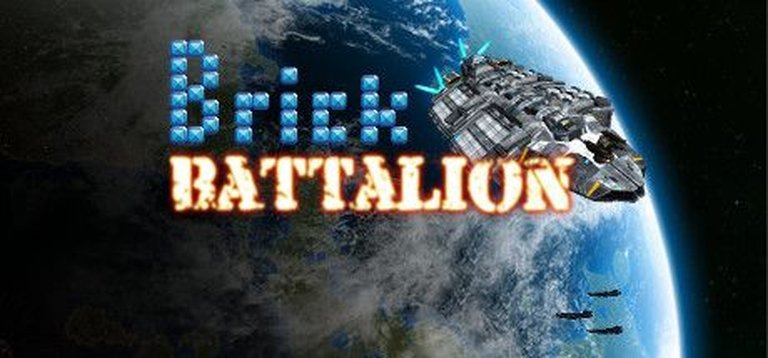
Description
Brick Battalion is a competitive, sci-fi/futuristic falling block puzzle game featuring side-view, fixed/flip-screen action where players match and chain bricks to unleash powerful attacks in space-themed battles. Support up to 8 players online in matchmaking, custom games, teams, or free-for-all modes against humans or bots, alongside single-player challenges like gauntlets and high-score pursuits with leaderboards and achievements.
Where to Buy Brick Battalion
PC
Brick Battalion Reviews & Reception
steambase.io (85/100): Player Score of 85 / 100 from 13 total reviews, rated Positive.
Brick Battalion: Review
Introduction
In the vast cosmos of indie gaming, where pixels clash like distant stars, Brick Battalion emerges as a hidden asteroid of competitive puzzling brilliance—a 2016 tile-matching skirmish that fuses the addictive drop-and-match mechanics of classics like Puyo Puyo with a sci-fi multiplayer arena for up to eight combatants. Developed and published by the boutique Scoria Studios, this side-view falling-block puzzle catapults players into a futuristic battle for galactic domination, where bricks become ammunition in frantic team brawls or solo gauntlets. As a game historian, I’ve chronicled the evolution of puzzle battlers from Tetris wars to modern esports darlings, and Brick Battalion stands as a testament to indie ingenuity amid Steam’s mid-2010s saturation. My thesis: While its obscurity belies a polished core loop, Brick Battalion carves a niche legacy as an underappreciated multiplayer puzzle innovator, rewarding chain-savvy tacticians with emergent chaos that outshines its modest production values.
Development History & Context
Scoria Studios, a small independent outfit with scant prior portfolio, unleashed Brick Battalion on August 15, 2016, across Windows, macOS, and Linux—platforms emblematic of Steam’s cross-compatible indie ethos. Self-published via Steam (App ID 496850), the game arrived during a golden age of accessible digital distribution, where tools like Unity (implied by its lightweight specs: Intel Core 2 Duo, 2GB RAM, 350MB storage) empowered solo devs or tiny teams to challenge genre giants. Priced at a humble $9.99, it targeted the burgeoning casual-strategy crowd amid 2016’s puzzle renaissance, flanked by hits like Tetris Effect prototypes and Puyo Puyo Tetris.
The creators’ vision, gleaned from Steam’s ad blurb and community posts, centered on transforming solitary falling-block puzzles into social spectacles. Technological constraints were minimal—direct control interface, fixed/flip-screen visuals suited low-end hardware—but era-specific hurdles loomed: Steam’s matchmaking infancy meant relying on bots for population padding, and offline support was a savvy nod to spotty broadband. The 2016 gaming landscape brimmed with multiplayer indies (Rocket League, Enter the Gungeon), yet puzzle fighters lagged behind console exclusives. Brick Battalion‘s sci-fi reskin of Puyo Puyo-esque mechanics addressed this, pioneering 8-player free-for-alls and asymmetric teams (e.g., 1v7) in a genre dominated by duels. Community forums reveal post-launch tweaks for gem rotation and server stability, underscoring Scoria’s responsiveness despite limited resources—no major patches listed, but iterative updates kept it afloat amid Steam’s deluge of 10,000+ annual releases.
Narrative & Thematic Deep Dive
Brick Battalion forgoes verbose storytelling for emergent sci-fi pulp, embedding its “narrative” in a vignette of interstellar warfare: players command brick-flinging battalions in a side-view cosmos, where falling “bricks” (color-coded gems/tiles) represent modular spaceship armaments. No scripted plot unfolds; instead, themes of domination manifest through victory screens tallying defeated foes, with profiles chronicling your battalion’s conquests across leaderboards. Characters are abstracted as customizable profiles—anonymous pilots accruing stats like wins, chains, and ranks—evoking faceless starfleet grunts in a Battlestar Galactica-lite fleet skirmish.
Dialogue is nil, replaced by explosive feedback: chaining matches triggers laser barrages, nukes, or screen-fills labeled with bombastic SFX like “Critical Hit!” or “Gauntlet Cleared.” Underlying themes probe competition’s brutality—solo practice builds “epic combos” for high-score catharsis, mirroring personal grind, while multiplayer escalates to team betrayals in custom handicaps. Community threads lament unblockable damage, thematizing vulnerability in zero-G battles: one player muses on “gem power for shields,” a fanfic nod to defensive sci-fi tropes absent in core design. At its core, Brick Battalion philosophizes puzzle mastery as martial prowess; waves of bots in Gauntlet mode symbolize endless alien hordes, chaining as the great equalizer in asymmetric warfare. This minimalist depth rewards replay, turning abstract matches into personal sagas of rank ascent.
Gameplay Mechanics & Systems
Brick Battalion‘s core loop deconstructs falling-block puzzles into a PvP powerhouse: tiles cascade side-view style, demanding spatial Tetris-like placement to form color matches (3+ horizontally/vertically, per Puyo Puyo lineage). Chaining cascades unleashes “attacks”—gray bricks clutter opponents’ screens, bombs clear lines, multipliers amp damage—culminating in KO via overflow. Up to 8 players (or bots) vie in Free-For-All, teams, or 1v7 lopsided romps, with matchmaking pitting skill-matched foes or co-op bot swarms.
Core Loops & Combat: Matches pulse in 2-5 minute bursts: drop, match, chain, attack, adapt. Innovation shines in scalability—custom games tweak speed, handicaps (e.g., bot difficulty), teams. Gauntlet pits you against escalating bot waves; Practice mode fosters combo marathons sans pressure. UI excels: clean profile dashboards track stats (wins, chains, K/D), 78 Steam achievements (e.g., “21-piece match”) gamify progression. Leaderboards (weekly/monthly/all-time) fuel competition.
Progression & Flaws: No deep meta-progression—ranks accrue via wins—but profiles persist victories. Controls are direct (mouse/keyboard, partial controller), intuitive for flipscreens. Flaws emerge: unblockable attacks frustrate (community cries for counters), gem rotation bugs shelved sessions, server hiccups cap scores at 1.7M+. Yet, offline bots mitigate, and spectate mode teaches chains. Balance favors chainers; newbies drown in gray bricks, but handicaps equalize parties. Overall, systems innovate multiplayer modularity, blending Dr. Mario precision with Bomberman mayhem.
| Mechanic | Strengths | Weaknesses |
|---|---|---|
| Matching/Chaining | Explosive feedback, epic 15+ chains | Rotation glitches disrupt flow |
| Multiplayer | 8-player flexibility, bots fill lobbies | Server instability, no defense meta |
| Single-Player | Leaderboards, offline viability | Repetitive sans variety |
| UI/Progression | Stats-rich profiles, 78 achievements | Minimal unlocks |
World-Building, Art & Sound
The sci-fi setting conjures a neon-drenched void: side-view arenas evoke cramped starship bays, fixed/flip-screen scrolls across asteroid fields or nebulae backdrops. Visual direction prioritizes function—vibrant brick palettes (reds, blues, gems) pop against starry blacks, explosions cascade in particle fireworks. Art is minimalist indie fare: modular ships silhouette player zones, attacks manifest as lasers/photon torpedoes, fostering claustrophobic battles amid infinite space. Atmosphere builds tension via rising gray piles, a visual “health bar” ticking doom.
Sound design amplifies: punchy match pops, escalating chain whooshes, and triumphant booms layer into symphony-of-chaos scores. No voice acting, but UI chimes and defeat klaxons evoke arcade urgency. These elements synergize: visuals telegraph threats (incoming bombs pulse), audio cues chain timings, immersing in “space battalion” fantasy. Modest assets (128MB VRAM) punch above weight, contributing addictive “one more match” pull—though dated flipscreen limits spectacle versus modern 3D puzzlers.
Reception & Legacy
Launch reception was whisper-quiet: MobyGames lists no critic scores, Steam’s 13 user reviews yield 85% positive (11/13), praising bot depth and teams but docking for servers/rotation. Steambase notes 69/100 player score from 13 reviews; PlayTracker estimates ~124K owners, near-zero active players, signaling niche appeal. Forums buzz with passion—screenshots of 15-chains, pleas for counters—but low visibility (3 MobyGames collectors) doomed commercial traction amid 2016’s indie flood.
Legacy endures as a cult artifact: influencing no blockbusters (related “Battalion” titles coincidental), it pioneered 8-player puzzle FFA on PC, predating Puyo Puyo Tetris hybrids. Offline/multi-bot robustness inspires party-game indies; achievements/leaderboards echo in Fall Guys-era casuals. Evolved reputation? Forgotten gem for puzzle historians—Steam Deck “Playable,” Remote Play Together extends couch co-op. In genre history, it bridges arcade drop-fighters to esports, a blueprint for asymmetric bot-filled lobbies.
Conclusion
Brick Battalion distills falling-block purity into a multiplayer meteor shower: stellar chaining combat, versatile modes, and sci-fi flair redeem its indie rough edges, cementing Scoria Studios’ feat amid 2016 obscurity. Flaws like absent counters and server woes temper highs, yet its 8-player innovation and offline resilience secure a foothold in puzzle canon—worthy of revival for Puyo faithful or LAN parties. Verdict: 8/10—a battalion deserving reenlistment in video game history’s underdog ranks, proving small studios can wage galactic wars with bricks alone.