
- Release Year: 2019
- Platforms: Windows
- Genre: Action RPG, Role-playing (RPG)
- Perspective: Diagonal-down
- Game Mode: Single-player
- Gameplay: Action RPG
- Setting: Fantasy
- Average Score: 79/100
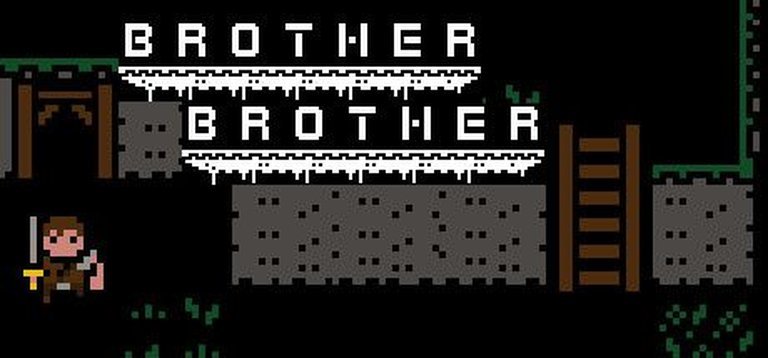
Description
Brother Brother is a fantasy action RPG set in a richly imagined world, where players engage in direct-controlled, combat-driven gameplay through a fixed diagonal-down perspective. Released in 2019 for Windows, the game offers a single-player adventure filled with exploration, quests, and role-playing elements, immersing players in a classic-style journey through a vibrant, fantastical setting.
Where to Buy Brother Brother
PC
Brother Brother Reviews & Reception
metacritic.com (79/100): Brothers: A Tale of Two Sons Remake pushes away all the technical limits of the original game while staying extremely loyal to its core, presenting the perfect remake.
adventuregamehotspot.com : This is a welcome update to an already wonderful game, and I thoroughly enjoyed myself just as much the second time around.
thegamer.com : Brothers is a full‑fished work on its own, bringing the seed that would grow into the greats.
purexbox.com : The way the two brothers interact with each other during puzzles is always entertaining, keeping the experience engaging.
Brothers: A Tale of Two Sons – Review
Introduction
In the pantheon of gaming experiences that redefine storytelling through interactivity, Brothers: A Tale of Two Sons (2013) stands as a towering achievement. Created by Swedish film director Josef Fares and developed by Starbreeze Studios, this indie gem transformed the emotional potential of video games with its innovative control scheme, heartbreaking narrative, and painterly fantasy world. Over a decade later, its legacy is cemented not only by critical acclaim—including a BAFTA for Best Innovation—but as a foundational text for modern narrative-driven games like A Way Out and It Takes Two. Though misidentified in parts of the provided source material as “Brother Brother,” this review will address Brothers: A Tale of Two Sons, drawing deeply from its development history, thematic richness, and cultural impact.
Development History & Context
Starbreeze Studios, fresh off titles like The Chronicles of Riddick, sought to pioneer a new form of interactive storytelling in partnership with Fares—an accomplished filmmaker untethered by gaming conventions. Built on Unreal Engine 3 under the working title P13, Brothers emerged during an era dominated by AAA blockbusters (Grand Theft Auto V, BioShock Infinite) yet carved a niche with its intimate scope. The studio faced constraints typical of indie projects: a tight budget, a two-year development cycle, and the challenge of translating Fares’ cinematic vision into gameplay.
Fares’ background in film informed the game’s wordless narrative, where emotion is conveyed through gesture, environmental detail, and Gustaf Grefberg’s haunting score. The decision to have characters speak a fictional language (based on Lebanese Arabic) forced the team to embrace visual storytelling, while the dual-stick control scheme—where players maneuver both brothers simultaneously—was deemed risky but essential to bonding players to the characters. Released digitally on Xbox Live Arcade, PlayStation Network, and Steam in 2013, Brothers defied expectations, selling over 800,000 units by 2015 and spawning ports to mobile, Nintendo Switch, and Amazon Luna. A 2024 remake by Avantgarden updated visuals and added co-op, but retained the original’s soul.
Narrative & Thematic Deep Dive
Brothers tells the story of Naia and Naiee, two siblings undertaking a perilous quest to retrieve the mythical “Water of Life” to save their ailing father. The game opens with a devastating prologue: Young Naiee watches his mother drown, paralyzed by fear—a trauma that manifests in his inability to swim. This event establishes the brothers’ dynamic: Naia embodies strength and protection, while Naiee embodies vulnerability and guilt.
Their journey through a Tolkien-esque fantasy world—populated by trolls, sacrificial cults, and a spider-like temptress—becomes a metaphor for grief, responsibility, and maturation. Subtle interactions reinforce character depth: Naia might console a grieving widow, while Naiee plays with a stray dog. The game’s most infamous sequence—a spider creature’s betrayal and Naia’s death—forces Naiee to bury his brother and confront his fears alone. The finale’s emotional gut-punch hinges on gameplay: Players must use Naia’s “ghost” controls (the left trigger, now inert) to empower Naiee, symbolizing the enduring bond of brotherhood.
Fares’ background in familial drama (Jalla! Jalla!, Zozo) informs the narrative’s economy: With no dialogue or text, themes of loss, sacrifice, and resilience are conveyed through environmental symbolism (e.g., blood-soaked battlefields representing inherited trauma) and mechanical storytelling. The remake’s enhanced visuals deepen these moments, such as Naiee smelling a flower post-Naia’s death—an act mimicking his brother’s earlier behavior, signaling his growth.
Gameplay Mechanics & Systems
Brothers revolutionized player-character symbiosis through its single-player co-op design. Players control both brothers via one controller: the left stick and trigger govern Naia (strength, swimming), while the right governs Naiee (agility, squeezing through gaps). This creates a unique cognitive load—patting one’s head while rubbing their stomach—that mirrors the brothers’ interdependence. Puzzles demand simultaneous action: Naia might hoist Naiee onto a ledge while the younger brother distracts enemies.
The 2024 remake’s addition of local co-op (each player controls one brother) democratizes accessibility but dilutes the original’s intended tension. As Kotaku noted, “The game’s control scheme may alienate some players, but it is the exact thing that makes you feel the exact thing the characters feel”—particularly in the finale, where Naiee’s solo struggles resonate through the controller’s sudden imbalance.
Puzzles lean toward environmental problem-solving over complex challenges. Examples include:
– Rope-swinging sequences requiring momentum-based timing.
– Giant battles where players dismantle bosses limb by limb.
– Swimming sections that later subvert Naiee’s phobia.
While criticized for brevity (3–4 hours) and simplicity, the gameplay serves the narrative. Death triggers instant respawns, prioritizing emotional flow over punishment—a design philosophy Fares later refined in It Takes Two.
World-Building, Art & Sound
Brothers unfolds in a Northern European-inspired fantasy realm, evoking The Lord of the Rings with its mist-shrouded valleys, crumbling ruins, and snowcapped peaks. The original’s minimalist, painterly art style—reminiscent of ICO—emphasized mood over realism, but the remake’s Unreal Engine 5 overhaul adds granular detail: individual hair strands, dynamic lighting, and revamped cutscenes. Blood-streaked battlefields now glisten with macabre beauty, while the Tree of Life looms as a radiant beacon of false hope.
Sound design proved equally vital. Dialogue’s absence amplifies ambient textures—howling wolves, creaking wood, rushing water—while Grefberg’s orchestral score (re-recorded for the remake) swells with melancholy leitmotifs. A standout moment sees Naiee playing a mournful harp melody—an optional interaction revealing his artistic sensitivity, contrasting Naia’s stoicism.
Reception & Legacy
Upon release, Brothers earned universal acclaim (Metacritic: 90/100 on PC) for its innovation and emotional weight. Critics lauded its “heartbreaking brilliance” (Joystiq) and “masterful marriage of gameplay and storytelling” (Edge). It won Best Innovation at the 2014 BAFTAs and Best Xbox Game at the VGX Awards, beating titans like Grand Theft Auto V.
The game’s legacy is twofold:
1. Mechanical Influence: Its control scheme inspired A Way Out and It Takes Two, solidifying Fares’ reputation for cooperative storytelling.
2. Narrative Benchmark: It proved short games could deliver profound emotional arcs, paving the way for titles like Journey and Hellblade: Senua’s Sacrifice.
The 2024 remake garnered mixed-positive reviews (Metacritic: 79–82), praised for visual upgrades but criticized for limited innovation. As the BBC noted, remaking such a “masterpiece” risked redundancy, yet it introduced the tragedy to new audiences.
Conclusion
Brothers: A Tale of Two Sons remains a landmark title—a testament to gaming’s unique power to merge mechanics and emotion. Its tale of brotherhood transcends language, its controls mirroring the fragility of human connection, and its ending haunting players long after credits roll. While the remake offers a polished gateway, the original’s artistic purity endures. For historians, it represents a turning point; for players, an unforgettable journey. A masterpiece deserving of its place in the canon.
Final Verdict: 9/10 – A revolutionary, emotionally resonant experience that redefined interactive storytelling.