
- Release Year: 2018
- Platforms: Linux, Macintosh, Windows
- Publisher: Almighty Games
- Developer: Almighty Games
- Genre: Action
- Perspective: Side view
- Game Mode: Single-player
- Gameplay: Beat ’em up, brawler, Hack and Slash
- Average Score: 82/100
Description
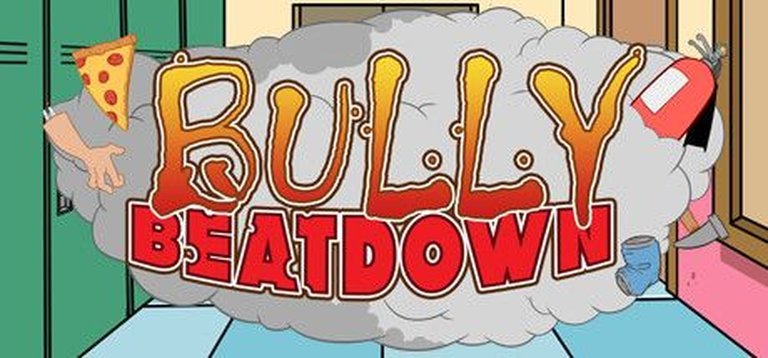
Bully Beatdown is a comedic, side-view beat ’em up game developed by Almighty Games, where players engage in fast-paced brawler-style combat. Set in a humorous and exaggerated school environment, the game features direct control mechanics and hack-and-slash gameplay, challenging players to take down bullies and rise through the ranks. With its lighthearted narrative and action-packed gameplay, Bully Beatdown offers a mix of comedy and combat in a retro-inspired setting.
Gameplay Videos
Where to Buy Bully Beatdown
PC
Bully Beatdown Cracks & Fixes
Bully Beatdown Patches & Updates
Bully Beatdown Reviews & Reception
niklasnotes.com (82/100): Overall, ‘Bully Beatdown’ is well-received for its fun gameplay, humorous elements, and appealing art style, but it faces criticism for control issues, repetitive gameplay, and a lack of depth in both story and gameplay mechanics.
mygamer.com : The world is a tough place. For many all they want to do is escape this and let their mind wonder in a fantasyland, and video games are a perfect outlet for that kind of relaxation and relief.
Bully Beatdown: A Satirical, Side-Scrolling Brawler with Heart and Humor
Introduction
In an era where video games often strive for hyper-realism or sprawling open worlds, Bully Beatdown (2018) emerges as a refreshing, if flawed, throwback to the golden age of side-scrolling beat ’em ups. Developed by Almighty Games, this indie title wears its influences on its sleeve—channeling the spirit of River City Ransom, Streets of Rage, and even Scott Pilgrim vs. The World—while carving out its own niche with a satirical narrative and a protagonist who defies conventional heroism. At its core, Bully Beatdown is a game about power dynamics, identity, and the cyclical nature of bullying, wrapped in a cartoonish, comic-book aesthetic that belies its surprisingly sharp social commentary.
The game’s premise is deceptively simple: you play as the “Fat Kid,” an archetypal high school outcast who, after years of enduring relentless bullying, decides to fight back. What begins as a tale of revenge quickly spirals into a darkly comedic exploration of how easily the oppressed can become the oppressor. The narrative, told through comic-book-style cutscenes, is both humorous and poignant, offering a critique of toxic masculinity, schoolyard hierarchies, and the performative nature of teenage rebellion. While Bully Beatdown may not reach the narrative depth or mechanical polish of Rockstar’s Bully (2006)—a game it inevitably invites comparison to—it distinguishes itself through its self-aware tone, progressive skill system, and a willingness to tackle its themes with a blend of absurdity and sincerity.
This review will dissect Bully Beatdown across multiple dimensions: its development context, narrative and thematic ambitions, gameplay mechanics, artistic direction, and its reception within the broader landscape of indie brawlers. By the end, we’ll determine whether this underappreciated gem deserves a spot in the pantheon of modern beat ’em ups—or if it remains a flawed but fascinating experiment in subverting genre tropes.
Development History & Context
The Rise of Almighty Games
Almighty Games, the studio behind Bully Beatdown, is a relatively obscure indie developer with a portfolio that includes Beatdown! (2012), a mobile brawler, and Gamedev Beatdown (2021), a meta-commentary on the game development industry. The studio’s ethos appears rooted in nostalgia for classic arcade brawlers, but with a modern twist—infusing their games with humor, social commentary, and experimental mechanics. Bully Beatdown represents their most ambitious project to date, blending the simplicity of side-scrolling combat with a narrative-driven experience.
The game’s development likely began in the mid-2010s, a period when indie developers were increasingly revisiting and reimagining genres that had fallen out of mainstream favor. Titles like Shank (2010), Scott Pilgrim vs. The World: The Game (2010), and Castle Crashers (2008) had proven that there was still an audience for beat ’em ups, provided they offered something fresh—whether through art style, storytelling, or gameplay innovation. Almighty Games seized this opportunity, crafting a game that not only paid homage to the classics but also used the genre as a vehicle for social critique.
Technological Constraints and Design Choices
Bully Beatdown was built using a proprietary engine, which allowed Almighty Games to achieve its distinctive comic-book aesthetic and fluid animations. However, the game’s side-scrolling perspective and 2D gameplay are a deliberate throwback to the 16-bit era, eschewing the 3D open-world design of Rockstar’s Bully in favor of a more focused, arcade-like experience. This choice was likely influenced by both budgetary constraints and a desire to evoke the simplicity and immediacy of classic brawlers.
One of the game’s most innovative mechanics is its Progressive Skill Mastering system, which eschews traditional leveling in favor of a dynamic approach where skills improve through repeated use. For example, the more you punch, the stronger your punches become; the more you dodge, the more agile your character feels. This system is reminiscent of Shadow of Mordor’s Nemesis System, albeit on a smaller scale, and it adds a layer of depth to the combat that sets Bully Beatdown apart from its peers.
The Gaming Landscape in 2018
Bully Beatdown launched on November 16, 2018, a year that saw the release of several high-profile indie titles, including Dead Cells, Celeste, and Into the Breach. The beat ’em up genre, while niche, was experiencing a minor renaissance thanks to games like Fight’N Rage (2017) and The TakeOver (2019). However, Bully Beatdown struggled to stand out in a crowded market, partly due to its lack of marketing and the controversial nature of its premise.
The game’s title and theme—centered around bullying—invited comparisons to Rockstar’s Bully, which had itself been mired in controversy upon its 2006 release. While Rockstar’s game was a sprawling open-world adventure with a nuanced take on schoolyard politics, Bully Beatdown opted for a more direct, satirical approach. This distinction is crucial: where Bully allowed players to navigate the complexities of cliques and authority, Bully Beatdown forces players to confront the brutality of bullying head-on, often with darkly comedic results.
Narrative & Thematic Deep Dive
Plot Summary: From Victim to Villain
Bully Beatdown follows the journey of the unnamed “Fat Kid,” a high school student who has endured years of torment at the hands of bullies. The game opens with a classic underdog setup: the Fat Kid is humiliated in front of the entire school, his lunch money stolen, and his dignity shattered. However, rather than wallowing in self-pity, he decides to fight back—sparking a chain of events that transforms him from victim to vigilante to, ultimately, a bully himself.
The narrative is divided into nine unique levels, each representing a different location within the school and its surroundings (e.g., the cafeteria, the gym, the parking lot). Along the way, the Fat Kid is encouraged by two unlikely allies: the Gamer Geek, a nerdy but resourceful student, and the Goth Chick, a cynical outsider who sees through the Fat Kid’s facade. Their goal? To help him muster the courage to ask out Skool Gurl, the prom queen, and attend the prom—a classic high school fantasy.
However, the story takes a dark turn as the Fat Kid’s quest for revenge spirals out of control. The more bullies he defeats, the more he begins to enjoy the power he wields. By the game’s climax, he has become the very thing he once hated: a bully who intimidates others for his own amusement. The game’s final cutscene is a masterstroke of irony, revealing that the Fat Kid’s journey was never about justice—it was about power.
Themes: Power, Identity, and the Cycle of Bullying
Bully Beatdown is, at its core, a satire of toxic masculinity and the performative nature of teenage rebellion. The game’s narrative subverts the traditional “underdog story” by demonstrating how easily the oppressed can become the oppressor. This theme is reinforced through the game’s mechanics: as the Fat Kid grows stronger, his attacks become more brutal, and his enemies become more pathetic. The game forces players to question whether they are fighting for justice or simply indulging in violence for its own sake.
Key themes include:
-
The Cycle of Bullying: The game illustrates how bullying is a self-perpetuating cycle. The Fat Kid’s initial victims are bullies themselves, but as he gains power, he begins to target weaker students, mirroring the behavior of those who once tormented him.
-
Performative Masculinity: The Fat Kid’s transformation is tied to his desire to conform to traditional masculine ideals—strength, dominance, and aggression. The game critiques these ideals by showing how hollow they are.
-
The Illusion of Justice: The Fat Kid’s quest for revenge is framed as a noble cause, but the game ultimately reveals it to be a selfish pursuit. The final cutscene, where the Fat Kid becomes a bully, underscores the futility of violence as a solution to bullying.
-
Social Hierarchies: The game’s setting—a high school—is a microcosm of broader societal power structures. The cliques (jocks, nerds, goths) represent different social strata, and the Fat Kid’s journey is a critique of how these hierarchies are maintained through intimidation and exclusion.
Characters: Archetypes with Depth
While Bully Beatdown’s characters are intentionally archetypal, they are given surprising depth through their dialogue and interactions. Key characters include:
-
The Fat Kid: The protagonist, whose journey from victim to bully is the game’s central narrative arc. His lack of a name reinforces his status as an everyman—a symbol of anyone who has ever been bullied.
-
Gamer Geek: A nerdy ally who provides the Fat Kid with advice and encouragement. He represents the idea that intelligence and resourcefulness can be forms of power.
-
Goth Chick: A cynical outsider who sees through the Fat Kid’s facade. She serves as the game’s moral compass, warning him of the dangers of becoming what he hates.
-
Skool Gurl: The prom queen and the Fat Kid’s love interest. She is a passive character, representing the unattainable ideal that drives the Fat Kid’s quest.
-
The Bullies: A rotating cast of antagonists, each representing a different facet of toxic masculinity—from the jock who relies on brute strength to the nerd who uses intellect to manipulate others.
Dialogue and Writing
The game’s dialogue is sharp, witty, and often darkly comedic. The comic-book-style cutscenes enhance the narrative’s satirical tone, with exaggerated expressions and over-the-top reactions that underscore the absurdity of high school drama. The writing is self-aware, frequently breaking the fourth wall to comment on video game tropes and the absurdity of the Fat Kid’s quest.
For example, after defeating a particularly tough bully, the Gamer Geek might quip, “Wow, you really showed him! Now you’re just like him—congratulations!” This meta-commentary reinforces the game’s themes while keeping the tone lighthearted.
Gameplay Mechanics & Systems
Core Gameplay Loop
Bully Beatdown is a side-scrolling beat ’em up with a focus on melee combat, environmental interaction, and progressive skill development. The core gameplay loop revolves around:
-
Exploring Levels: Each of the game’s nine levels is a self-contained arena filled with enemies, breakable objects, and environmental hazards.
-
Combat: Players engage in hand-to-hand combat using a variety of attacks, including punches, kicks, stomps, and special moves (e.g., the “belly bump,” which sends enemies flying).
-
Progression: Skills improve through use (e.g., punching more makes punches stronger), and players can unlock new abilities by defeating bosses.
-
Boss Fights: Each level culminates in a boss fight against a unique bully, ranging from a hulking jock to a cunning nerd who uses traps and minions.
-
Story Advancement: After defeating a boss, players unlock a comic-book-style cutscene that advances the narrative.
Combat System: Brutal and Satisfying
The combat in Bully Beatdown is visceral and weighty, with a strong emphasis on environmental interaction. Key features include:
-
Basic Attacks: Punches, kicks, and stomps form the backbone of combat. Each attack has a distinct animation and feel, with punches being fast but weak and stomps being slow but devastating.
-
Special Moves: The Fat Kid can perform unique attacks, such as the “belly bump” (a charging attack that knocks enemies over) and the “fart blast” (a humorous but effective area-of-effect attack).
-
Environmental Interaction: The game encourages players to use the environment to their advantage. Tables, chairs, and other objects can be picked up and thrown, and some levels feature hazards like slippery floors or exploding barrels.
-
Progressive Skill Mastering: Unlike traditional RPGs, Bully Beatdown does not use experience points. Instead, skills improve through repeated use. For example:
- Punching: The more you punch, the stronger your punches become.
- Dodging: The more you dodge, the faster and more agile you become.
- Special Moves: Using special moves frequently unlocks new variations (e.g., a more powerful belly bump).
This system is both innovative and frustrating. On one hand, it encourages players to experiment with different playstyles. On the other, it can lead to tedious grinding, as players must repeatedly use a skill to see meaningful improvement.
Character Progression: A Double-Edged Sword
The Progressive Skill Mastering system is Bully Beatdown’s most ambitious mechanic, but it is also its most divisive. The system works as follows:
-
Skills Improve Through Use: There are no experience points or level-ups. Instead, the more you use a skill, the better it becomes. For example, if you punch 100 times, your punches will deal more damage.
-
No Traditional Upgrades: There are no skill trees or stat allocations. Progression is entirely organic, tied to how you play.
-
Permanent Growth: Skills do not degrade over time, meaning that once you’ve mastered a move, it stays mastered.
While this system is refreshing in its simplicity, it has several drawbacks:
-
Grinding: To fully upgrade a skill, players must use it hundreds of times, which can feel repetitive. This is particularly problematic in the early game, where enemies are weak and fights drag on.
-
Lack of Customization: Because progression is tied to use, players cannot choose to specialize in a particular playstyle. If you want stronger punches, you must punch repeatedly, even if you prefer kicking.
-
Unbalanced Difficulty: The game’s difficulty curve is inconsistent. Early levels are trivial once you’ve grinded your skills, while later levels can feel overwhelming if you haven’t mastered the right moves.
UI and Controls: A Mixed Bag
The game’s user interface (UI) is minimalist, with health and skill meters displayed at the bottom of the screen. The comic-book aesthetic extends to the UI, with speech bubbles and exaggerated sound effects that reinforce the game’s satirical tone.
However, the controls are where Bully Beatdown stumbles. The game supports both keyboard and controller inputs, but neither feels entirely responsive. Common issues include:
-
Delayed Inputs: There is a noticeable lag between pressing a button and the Fat Kid executing the move. This is particularly problematic in fast-paced combat.
-
Hitbox Problems: The game’s hit detection is inconsistent, with attacks sometimes missing enemies who appear to be in range.
-
Controller Compatibility: Some players have reported issues with controller support, particularly on PC.
These issues are exacerbated by the game’s difficulty settings, which range from “Easy” to “Brutal.” While the lower difficulties are forgiving, the higher ones can feel unfair due to the control issues.
Innovative Systems: Breaking the Mold
Despite its flaws, Bully Beatdown introduces several innovative systems that set it apart from other brawlers:
-
Progressive Skill Mastering: As discussed, this system is a bold departure from traditional leveling mechanics. While flawed, it encourages experimentation and rewards players for sticking to a playstyle.
-
Environmental Destruction: The game features 100+ breakable objects, from chairs and tables to vending machines and lockers. This not only adds visual flair but also provides tactical advantages (e.g., throwing objects at enemies).
-
Comic-Book Cutscenes: The game’s narrative is told through comic-book-style cutscenes, which are both humorous and thematically rich. These cutscenes reinforce the game’s satirical tone and provide context for the Fat Kid’s journey.
-
Dynamic Difficulty: The game subtly adjusts its difficulty based on player performance. For example, if a player struggles with a boss, the boss’s health may be reduced in subsequent attempts.
World-Building, Art & Sound
Setting: A High School Nightmare
Bully Beatdown is set in a fictional high school, which serves as the game’s primary location. The school is divided into nine distinct levels, each with its own aesthetic and challenges:
- The Cafeteria: A chaotic battleground filled with tables, food trays, and slippery floors.
- The Gym: A wide-open space with basketball hoops and weightlifting equipment.
- The Parking Lot: A gritty, outdoor arena with cars and dumpsters.
- The Library: A quiet space turned into a warzone, with bookshelves that can be toppled.
- The Locker Room: A claustrophobic environment with tight corridors and steam pipes.
- The Auditorium: A grand stage where the Fat Kid faces off against the school’s drama club.
- The Rooftop: A final showdown under the open sky, with a dramatic view of the town.
- The Principal’s Office: A surreal, dreamlike level where the Fat Kid confronts his inner demons.
- The Prom: The game’s climax, where the Fat Kid’s journey comes full circle.
Each level is meticulously designed to reflect its theme, with environmental details that enhance immersion. For example, the cafeteria is littered with food trays and spilled milk, while the gym features basketballs that can be used as weapons.
Art Direction: A Comic-Book Come to Life
Bully Beatdown’s art style is its strongest asset. The game adopts a comic-book aesthetic, with bold outlines, exaggerated expressions, and vibrant colors. This style is reminiscent of Scott Pilgrim vs. The World: The Game, but with a grittier, more satirical edge.
Key artistic choices include:
-
Exaggerated Character Designs: The Fat Kid is intentionally cartoonish, with a round, expressive face that conveys his emotions without dialogue. The bullies, meanwhile, are grotesque caricatures—muscle-bound jocks, sneering nerds, and gothic outcasts.
-
Dynamic Animations: The game’s animations are fluid and expressive, with attacks that feel weighty and impactful. The “belly bump,” in particular, is a standout move, with the Fat Kid rolling into enemies like a human bowling ball.
-
Environmental Detail: Each level is packed with interactive objects, from breakable chairs to exploding chemistry sets. The game’s destructible environments are a highlight, adding both visual flair and tactical depth.
-
Comic-Book Cutscenes: The game’s narrative is told through hand-drawn comic panels, which are rendered in a style that evokes classic Archie Comics or Tank Girl. These cutscenes are humorous, self-aware, and thematically rich.
Sound Design: A Punk Rock Soundtrack
The game’s soundtrack is a mix of punk rock, garage rock, and synthwave, with five original songs that underscore the game’s rebellious tone. The music is energetic and fitting, though it lacks the memorability of classics like Streets of Rage 2’s soundtrack.
Key audio elements include:
-
Combat Sounds: Punches, kicks, and stomps are accompanied by crunchy sound effects that emphasize the brutality of the fights. The “belly bump” is particularly satisfying, with a deep, resonant thud as the Fat Kid collides with enemies.
-
Voice Acting: The game features minimal voice acting, with most dialogue delivered through text bubbles. However, the Fat Kid’s grunts and groans are well-executed, adding to his personality.
-
Ambient Noise: Each level has its own ambient soundscape. The cafeteria is filled with the clatter of trays and the murmur of students, while the gym echoes with the bounce of basketballs.
Atmosphere: A Satirical Nightmare
Bully Beatdown’s atmosphere is a darkly comedic take on high school life, blending the absurdity of teenage drama with the brutality of a beat ’em up. The game’s tone is self-aware and satirical, frequently breaking the fourth wall to comment on its own tropes.
For example, after defeating a bully, the Gamer Geek might remark, “Wow, you really showed him! Now you’re just like him—congratulations!” This meta-commentary reinforces the game’s themes while keeping the tone lighthearted.
The game’s comic-book aesthetic enhances this atmosphere, with exaggerated expressions and over-the-top reactions that underscore the absurdity of high school hierarchies. The result is a world that feels both familiar and surreal—a high school where the stakes are life-and-death, but the drama is pure teenage angst.
Reception & Legacy
Critical Reception: A Mixed Bag
Bully Beatdown received mixed reviews upon its release, with critics praising its art style, humor, and innovative mechanics while criticizing its controls, repetitive gameplay, and lack of depth.
Positive Aspects Highlighted by Critics:
-
Art Style: The game’s comic-book aesthetic was widely praised for its charm and visual appeal. Critics noted that the exaggerated character designs and vibrant colors gave the game a unique identity.
-
Humor and Writing: The game’s satirical tone and self-aware dialogue were highlighted as standout features. Critics appreciated the game’s willingness to tackle serious themes with a blend of absurdity and sincerity.
-
Progressive Skill Mastering: While divisive, the game’s skill system was praised for its innovation. Critics noted that it encouraged experimentation and rewarded players for sticking to a playstyle.
-
Environmental Destruction: The game’s destructible environments were a highlight, with critics praising the tactical depth they added to combat.
Negative Aspects Highlighted by Critics:
-
Controls: The game’s controls were widely criticized for their lack of responsiveness. Critics noted that the delayed inputs and inconsistent hit detection made combat frustrating.
-
Repetitive Gameplay: Some reviewers found the gameplay repetitive, particularly in the early levels where grinding was required to upgrade skills.
-
Short Length: The game’s nine levels can be completed in 2-3 hours, which some critics felt was too short for the asking price.
-
Lack of Depth: The game’s narrative and characters were praised for their humor, but some critics felt that they lacked depth. The Fat Kid’s journey, while thematically rich, was seen as too simplistic.
Player Reception:
On Steam, Bully Beatdown holds a “Very Positive” rating (82% positive reviews as of January 2026). Players praised the game’s humor, art style, and satisfying combat, while criticizing its controls and repetitive grinding.
Common player sentiments include:
-
“Fun but flawed”: Many players enjoyed the game’s premise and execution but felt that the controls and grinding held it back.
-
“A hidden gem”: Some players saw Bully Beatdown as an underappreciated indie title that deserved more attention.
-
“Needs a sequel”: Several players expressed interest in a sequel that could refine the game’s mechanics and expand on its narrative.
Commercial Performance
Bully Beatdown was a niche success, selling modestly but failing to break into the mainstream. The game’s lack of marketing and the crowded indie market likely contributed to its limited commercial impact. However, its Steam sales have remained steady, with occasional spikes during sales events.
Legacy and Influence
While Bully Beatdown has not had a significant impact on the broader gaming industry, it has developed a cult following among fans of indie brawlers. The game’s Progressive Skill Mastering system, in particular, has been cited as an innovative approach to character progression, and its satirical narrative has resonated with players who appreciate its dark humor.
The game’s legacy is likely to be one of a flawed but fascinating experiment—a title that took risks with its mechanics and narrative but ultimately fell short of its ambitions. However, its unique blend of humor, satire, and brutal combat ensures that it remains a memorable entry in the beat ’em up genre.
Conclusion: A Flawed but Fascinating Experiment
Bully Beatdown is a game of contradictions. It is brutal yet humorous, innovative yet flawed, ambitious yet uneven. At its best, it is a sharp satire of high school hierarchies, a visceral beat ’em up with satisfying combat, and a visually striking comic-book adventure. At its worst, it is a frustrating grind with unresponsive controls and a narrative that lacks depth.
Despite its flaws, Bully Beatdown is a worthy addition to the beat ’em up genre, offering a fresh take on a classic formula. Its Progressive Skill Mastering system, while imperfect, is a bold departure from traditional leveling mechanics, and its comic-book aesthetic gives it a unique identity. The game’s satirical narrative, which explores the cyclical nature of bullying and the performative nature of teenage rebellion, elevates it above mere mindless violence.
Final Verdict: 7.5/10 – A Flawed Gem
Bully Beatdown is not a perfect game, but it is a fascinating one. It takes risks with its mechanics and narrative, and while not all of them pay off, the result is a game that feels distinctly its own. For fans of beat ’em ups, indie games, or satirical storytelling, Bully Beatdown is well worth a playthrough—just be prepared for its rough edges.
Where It Excels:
– Art Style: A vibrant, comic-book aesthetic that gives the game a unique identity.
– Humor and Writing: Sharp, self-aware dialogue that blends absurdity with sincerity.
– Innovative Mechanics: The Progressive Skill Mastering system is a bold departure from traditional leveling.
– Satirical Narrative: A darkly comedic take on high school hierarchies and the cycle of bullying.
Where It Falters:
– Controls: Unresponsive inputs and inconsistent hit detection mar the combat.
– Grinding: The skill system requires repetitive use, which can feel tedious.
– Short Length: The game can be completed in 2-3 hours, leaving some players wanting more.
– Lack of Depth: The narrative and characters, while humorous, lack the depth of similar games.
Who Should Play It?
– Fans of classic beat ’em ups looking for a modern twist.
– Players who enjoy satirical storytelling and dark humor.
– Those who appreciate innovative mechanics, even if they’re not perfectly executed.
– Anyone who has ever been bullied—or has ever bullied someone—and wants to explore the complexities of power and identity.
Final Thought:
Bully Beatdown is a game that punches above its weight, much like its protagonist. It may not be a masterpiece, but it is a memorable, flawed gem that deserves to be experienced—if only to appreciate its ambition and its willingness to tackle difficult themes with humor and heart.
Recommendation: Buy on sale, but don’t miss out on this underappreciated indie brawler.
End of Review