
- Release Year: 2023
- Platforms: Windows
- Publisher: Ninja5
- Developer: Ninja5
- Genre: Action, Role-playing (RPG)
- Perspective: Behind view
- Gameplay: Action RPG
- Setting: Aztec, Fantasy, Mayan, Mexican, Pre-Columbian Americas
- Average Score: 83/100
- Adult Content: Yes
Description
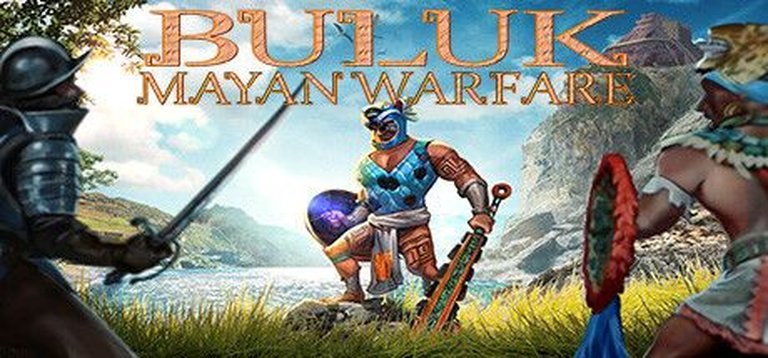
Buluk Mayan Warfare is a hack-and-slash action RPG set in the ancient Aztec and Mayan civilizations of 1521, where players take on the role of the Nacom, an elite Mayan warrior proficient in both melee weaponry and elemental magic. Wielding weapons like the Macuahuitl, spear, greatsword, and knife, alongside spells harnessing fire, wind, water, lightning, and more, players battle Conquistadors, rival Mayans, and Aztecs, while researching powerful spells, crafting customizable gear, conquering cities, and rising through the military ranks in a richly immersive Pre-Columbian fantasy adventure.
Gameplay Videos
Where to Buy Buluk Mayan Warfare
PC
Buluk Mayan Warfare Reviews & Reception
steambase.io (83/100): Player Score of 83/100 from 6 reviews with 5 positive.
Buluk Mayan Warfare: Review
Introduction
In a gaming landscape dominated by medieval Europe, futuristic dystopias, and high-fantasy realms, Buluk Mayan Warfare dares to carve out a bloody, vibrant niche: the hack ‘n’ slash fury of Mesoamerica in 1521. As Conquistadors besiege the Aztec Empire and Yucatán tribes fracture into civil war, you step into the sandals of the Nacom—an elite Mayan warrior blending obsidian-edged melee mastery with blood-fueled elemental magic. Developed over eight grueling years by indie studio Ninja5, this debut title from Antioch native Traevon Taylor fills a glaring void in video game history, where Mesoamerican protagonists are rarer than a flawless jade idol. My thesis: Buluk is a triumphant testament to indie perseverance, delivering exhilarating combat and cultural immersion that punches above its weight, though its rough edges betray its solo-dev roots and prolonged gestation—cementing it as a cult curio with sequel potential rather than an instant classic.
Development History & Context
Ninja5’s origin story reads like a passion project forged in the fires of determination. Founded by Traevon Taylor (aka DarthTrae), an Antioch High School alumnus with a Bachelor of Science in Game Art and Design from the Art Institute of California Sacramento (graduated 2014), the studio comprises five former college friends and coworkers whose bonds trace back to shared 3D animation classes and late-night project sessions. Taylor’s journey began in childhood with sketchbooks filled with anime-inspired comics, evolving into a fascination with game dev after college fairs showcased student prototypes. Inspired by Sid Meier’s Civilization Revolution, world history classes, and Mel Gibson’s Apocalypto—which ignited his awe for Mayan architecture—he sought to rectify gaming’s neglect of Mesoamerican heroes.
Development spanned 2015–2023, a Herculean eight-year odyssey marked by three to four full rebuilds, a failed 2018 Kickstarter, and relentless skill-building amid Taylor’s 70+ hour workweeks at jobs like Apple Maps. Demos littered itch.io and IndieDB—from 2018’s spear combat showcase to 2022’s Steam NextFest build—allowing iterative feedback that refined the Unity engine core. The team shines: Animator Radacal Alexander (credits on Elder Scrolls titles) handled fluid combos; programmer Samuel Goreiter debugged on-the-fly at cons; UI artist/translator Stephanie Goreiter ensured meticulous interfaces; character artist Tharon Green and animator Jeffrey Woodward shaped the Nacom; illustrator Calvin Saephanh designed iconic Jaguar Knights; and sound designer Douglas Bartolme crafted the tribal score.
Launched July 25, 2023, on Steam for $9.99 amid a post-Elden Ring action RPG boom, Buluk entered a crowded indie scene favoring polished 2D pixels or AAA spectacle. Technological constraints? Unity’s accessibility enabled a small team to mimic God of War-esque third-person combat without blockbuster budgets, but evident jank in early builds reflects solo-polymath strains. The 2023 landscape, flush with historical indies like Ancestor: The Humankind Odyssey, welcomed Buluk‘s bold Pre-Columbian pivot, though its obscurity underscores marketing hurdles for niche settings.
Narrative & Thematic Deep Dive
Buluk Mayan Warfare unfolds in 1521, a pivotal fulcrum of history: Spanish invaders hammer the Aztecs at Tenochtitlán, while Yucatán Maya tribes—the Tutul Xiu of Uxmal (your allies) and rival Cocom of Tulum—erupt into fratricidal war. As the lone Nacom, an elite warrior-priest hybrid, you embody the last bulwark against annihilation. The plot, glimpsed through Steam blurbs and press kits, casts you as a rising military rank-climber: conquer cities, harvest resources, research forbidden spells, and rally your tribe. No granular dialogue transcripts exist in sources, but implied cutscenes and loadout prep evoke ritualistic briefings—perhaps invoking Mayan cosmology where blood sacrifice powers gods like Kukulkan.
Core Plot Arcs
– Tribal Civil War: Main quest pits Tutul Xiu against Cocom aggressors, escalating from skirmishes to city sieges. Side quests detour into resource raids, mirroring historical Mayan balkanization.
– External Threats: Conquistadors and Aztecs lurk as endgame foes, blending fact (Cortés’s 1521 siege) with fantasy—your blood magic as a shamanic riposte to steel harquebuses.
– Hero’s Ascension: From flint-wielding novice to steel-jade overlord, progression ties to Mayan military hierarchy, unlocking “extra warriors” as respawn lives—a clever nod to elite orders like Jaguar Knights.
Characters & Dialogue
The Nacom is a blank-slate powerhouse, customizable via 64 upgrades, evoking stoic Mayan stelae heroes. Foes range from tribal rivals (Mayan spearmen) to exotics (armored Conquistadors, Aztec eagle warriors), humanized by death animations revealing “naked enemies” in ritualistic vulnerability. Dialogue, sparse per indie norms, likely manifests in Temple/Armory banter—stilted but flavorful, with Stephanie Goreiter’s translations infusing Nahuatl/Mayan loanwords for authenticity.
Underlying Themes
Buluk grapples with cultural resilience amid collapse: Maya’s defiance against invaders echoes Apocalypto‘s flight, subverted by empowerment fantasy. Blood magic thematizes sacrifice—historical Mayan heart-extractions fueling your Fire/Wind spells—interrogating violence as both destroyer and sustainer. Tribalism critiques internal division hastening empire falls, while weapon tiers (Flint → Steel) symbolize corrupted purity via colonial tech. Fantasy overlays history without diluting it, avoiding white-savior tropes by centering indigenous agency. Flaws? Underdeveloped lore risks superficiality, but its ambition elevates it beyond hack ‘n’ slash fodder.
Gameplay Mechanics & Systems
Buluk‘s core loop is a precision ballet of hack ‘n’ slash savagery, rewarding timing over button-mashing in 32 levels across simulated open-world terrain (mountains, beaches, forests).
Combat Deconstruction
Third-person behind-view action RPG shines with four weapons:
– Macuahuitl (obsidian-club sword): Sweeping combos for crowds.
– Spear: Poke-and-pull pokes, reach mastery.
– Greatsword: Heavy cleaves, risk-reward.
– Knife (Priest Knife): Agile stabs, bleed synergy.
Each boasts light/heavy chains, evolving across tiers (Flint → Obsidian → Enchanted Jade → Steel). Defense quartet—roll dodge, parry-stun, block, counter—mirrors Sekiro‘s posture system, with blood meter filled via kills or self-sacrifice for spells (Fireballs, Lightning storms, Water whips). UI? Barracks loadouts, Temple research, Armory crafting—intuitive but demo-era bugs suggest polish needs.
Progression & Loops
– Campaign Map: Grid-based strategy; choose quests, dodge interceptors for skirmishes. Conquer cities for resources, blending Total War tactics with ARPG freedom.
– Customization: 64 upgrades (damage, health, blood cap), crafting unique gear. Extra warriors as lives add roguelite tension.
Innovations: Blood economy forces risk (sacrifice HP?); Skirmish variety prevents repetition. Flaws: Repetitive foes, potential balance issues from rebuilds—Steam’s scant reviews hint at jank, but 83/100 player score praises fluidity.
UI & Accessibility
Direct control, Steam Achievements (9), captions. Mature filters for nudity/violence. 19GB storage, mid-range specs—accessible yet demanding precision.
World-Building, Art & Sound
Mesoamerica pulses with life: Uxmal pyramids loom over jungle skirmishes, Tulum cliffs host beach battles, evoking Apocalypto‘s grandeur on indie budget. Vibrant, colorful cel-shaded 3D (per community praise) pops against steamy greens—post-processing demos elevate Mayan motifs (stepped temples, feathered serpents). Atmosphere? Oppressive heat via haze, ritual pyres flickering—immersive without AAA fidelity.
Art direction favors accessibility: Cartoony foes (Jaguar Knights iconic) sidestep grimdark, emphasizing cultural vibrancy. Nudity (dead enemies) nods to sacrificial realism, tagged maturely.
Sound design elevates: Douglas Bartolme’s tribal percussion—drums, flutes, conch horns—interlaces chants with spell whooshes, blood gurgles. No voice acting noted, but subtitles (English/Spanish-LatAm) ensure global reach. Collectively, they forge a hypnotic trance, making conquests feel epic.
Reception & Legacy
Launch reception? Muted. No Metacritic/MobyGames critic scores; Steam’s 4–6 user reviews yield 83/100 (5 positive, 1 negative), lauding combat/theme but noting bugs. Local buzz (Contra Costa News) hailed Taylor’s triumph; IndieDB/itch.io comments praise visuals/mechanics. Commercially? Niche $9.99 Steam sales, PS5 port teased (2024/2025).
Legacy evolves: As 2023’s lone Mesoamerican hack ‘n’ slash, it pioneers like Pitfall: The Mayan Adventure (1994) but empowers natives. Influences? Echoes in future indies (e.g., Hidden Cats of Mayan), inspiring underrepresented histories amid Assassin’s Creed Shadows debates. Ninja5’s perseverance—demos, rebuilds—models indie grit, positioning Buluk as a foundational artifact in diverse gaming canon.
Conclusion
Buluk Mayan Warfare is no flawless obsidian blade—its eight-year scars show in unpolished edges and sparse narrative depth—but its heart roars like a jaguar in rut. Taylor and Ninja5 deliver a combat symphony of parries, spells, and conquests that vividly resurrects 1521 Mesoamerica, blending historical reverence with fantastical fury. In video game history, it claims a vital niche: the first true Mayan-led hack ‘n’ slash, trailblazing for indies to reclaim stolen narratives. Verdict: 8/10—buy for the culture, master for the magic, await the sequel to conquer its flaws. A resilient underdog worthy of your blood oath.