
- Release Year: 2012
- Platforms: Android, iPad, iPhone, Nintendo Switch, PlayStation 4, Windows
- Publisher: Kairosoft Co., Ltd.
- Developer: Kairosoft Co., Ltd.
- Genre: Simulation
- Perspective: Diagonal-down
- Game Mode: Single-player
- Gameplay: Business simulation, City building, construction simulation, Life, Managerial, Social simulation
- Setting: Contemporary
- Average Score: 69/100
Description
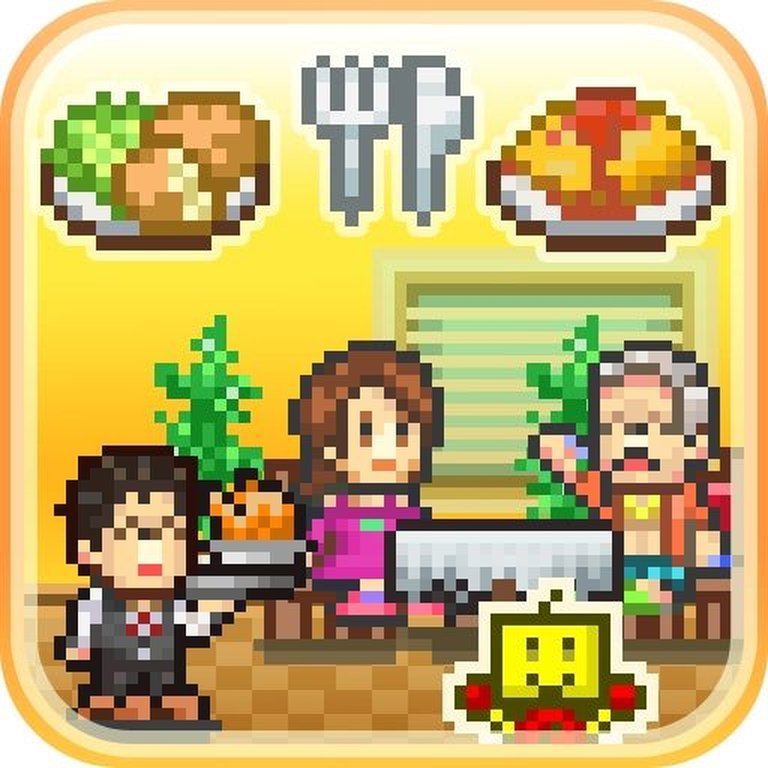
Cafeteria Nipponica is a simulation game developed by Kairosoft, where players manage and grow a restaurant into a successful chain. The game involves various aspects of restaurant management, including staff oversight, menu development, and customer satisfaction. Set in a contemporary environment, players must navigate the complexities of running a business while striving for excellence in the culinary world. The game offers depth and customization, allowing players to tailor their strategies to achieve success in their unique way.
Gameplay Videos
Where to Buy Cafeteria Nipponica
PC
Cafeteria Nipponica Guides & Walkthroughs
Cafeteria Nipponica Reviews & Reception
metacritic.com (64/100): In some ways, the sheer depth of Cafeteria Nipponica acts as both a blessing and a curse.
opencritic.com (60/100): The game pulls me in multiple times, but also creates way more dead air than I was good with.
Cafeteria Nipponica: A Deep Dive into Kairosoft’s Culinary Management Sim
Introduction
In the bustling pantheon of mobile and indie simulation games, few developers have carved out as distinctive a niche as Kairosoft, the Japanese studio behind minimalist, pixel-art management sims like Game Dev Story and Dungeon Village. Released in 2012, Cafeteria Nipponica represents a fascinating entry in their catalog—a restaurant management simulator that blends addictive micromanagement with the studio’s signature charm. Yet, like a dish with uneven seasoning, it’s a game that divides critics and players alike. This review argues that while Cafeteria Nipponica delivers a satisfying core loop for simulation enthusiasts, its pacing issues and lack of player agency prevent it from reaching the heights of Kairosoft’s best work.
Development History & Context
Kairosoft’s Signature Flavor
Kairosoft’s rise in the late 2000s and early 2010s coincided with the explosion of mobile gaming. Known for their accessible yet deep simulators, they distilled complex systems—game development, town-building, hot spring management—into bite-sized, pixelated packages. Cafeteria Nipponica arrived amidst this golden age, following the studio’s established template: isometric 2D visuals, incremental progression, and a dopamine-triggering feedback loop.
Technological Constraints and Ambitions
Designed for mobile platforms (Android and iOS) with limited hardware capabilities, the game prioritized simplicity. Its interface is optimized for touchscreens, with drag-and-drop furniture placement and menu adjustments. However, the game’s later ports to PC and consoles (2019–2022) highlighted its mobile-first design, lacking enhancements like HD visuals or expanded controls—a missed opportunity to modernize the experience.
Narrative & Thematic Deep Dive
A Story of Culinary Ambition
Cafeteria Nipponica eschews traditional narrative for a thematic focus on culinary entrepreneurship. Players embody a restaurateur building a chain of eateries, from humble diners to upscale bistros. The “story” emerges through customer interactions, staff growth, and menu experimentation. While devoid of characters or plot twists, the game channels the quiet drama of running a business: the thrill of a five-star review, the panic of dwindling funds after payroll.
Themes of Capitalist Pragmatism
Beneath its cute exterior lies a sharp commentary on capitalism. The game forces players to balance idealism (crafting gourmet dishes) with pragmatism (cutting costs, firing underperforming staff). The annual salary payments in April—a mechanic criticized for creating financial cliffs—mirror real-world business anxieties. Yet, the lack of narrative stakes (e.g., no bankruptcy system) softens the stakes, leaning into wish fulfillment over realism.
Gameplay Mechanics & Systems
Core Loop: From Recipes to Riches
At its heart, Cafeteria Nipponica is a game of resource triage:
– Menu Management: Research recipes, source ingredients, and adjust prices.
– Staff Optimization: Hire chefs, waiters, and janitors; train them to improve stats like “Speed” and “Cooking.”
– Restaurant Design: Place tables, décor, and appliances to maximize customer satisfaction.
Progression unlocks new restaurant types (e.g., sushi bars, ramen shops) and events like cooking contests, which boost fame.
Innovations and Flaws
- The Good: The recipe development system shines. Combining ingredients to unlock dishes like “Truffle Pasta” or “Dragon Roll” feels rewarding, especially when dishes earn awards or attract VIP patrons.
- The Bad: Pacing issues plague the experience. After initial investments, players often hit “waiting periods” (e.g., for funds to replenish post-salary payments), which critics lambasted as “a very poor system” (Gamezebo). The lack of manual speed controls exacerbates this.
- The Ugly: Limited customization. Compared to Hot Springs Story, which allows extensive resort layouts, Cafeteria Nipponica restricts furniture placement, stifling creativity.
World-Building, Art & Sound
Pixel-Perfect Aesthetics
Kairosoft’s trademark 8-bit art style charms with its simplicity. Customers bob happily as they dine, chefs frantically chop ingredients, and neon signs flicker above doorways. The isometric view evokes a dollhouse-like intimacy, though the lack of visual variety across restaurants grows repetitive.
Sound Design: A Double-Edged Knife
The chiptune soundtrack—peppy and nostalgic—suits the game’s tone but lacks dynamic tracks. Sound effects (sizzling pans, ringing cash registers) are satisfying yet loop incessantly, leading many players to mute the audio.
Reception & Legacy
Critical Divide
Cafeteria Nipponica earned mixed reviews (Metacritic: 64/100; MobyGames: 61%). Praise focused on its depth: TouchArcade called it “one of the most rewarding titles in Kairosoft’s library.” However, critics like eShopper Reviews (42/100) derided its sluggish pacing and “drip-fed” progression.
Commercial Success and Influence
Despite tepid critical reactions, the game found an audience. Its Steam release boasts a “Very Positive” rating (89/100), suggesting enduring appeal among sim devotees. While it never achieved the cult status of Game Dev Story, it inspired later culinary sims like Touhou Mystia’s Izakaya and Burger Bistro Story.
Conclusion
Cafeteria Nipponica is a flawed gem. Its addictive core loop and charming presentation make it a satisfying time-sink for management sim fans, yet its pacing issues and limited player agency prevent it from standing among Kairosoft’s masterpieces. For newcomers to the genre, Hot Springs Story or Mega Mall Story offer more polished introductions. But for veterans craving a culinary challenge, Cafeteria Nipponica remains a hearty—if occasionally undercooked—meal.
Final Verdict: A solid B-tier Kairosoft title, best enjoyed in short bursts between better-balanced sims.