
- Release Year: 2016
- Platforms: PlayStation 4, Windows
- Publisher: Pixel Maverick Games
- Developer: Pixel Maverick Games
- Genre: Action
- Perspective: Side view
- Game Mode: Single-player
- Gameplay: Platform
- Setting: Fantasy
- Average Score: 69/100
Description
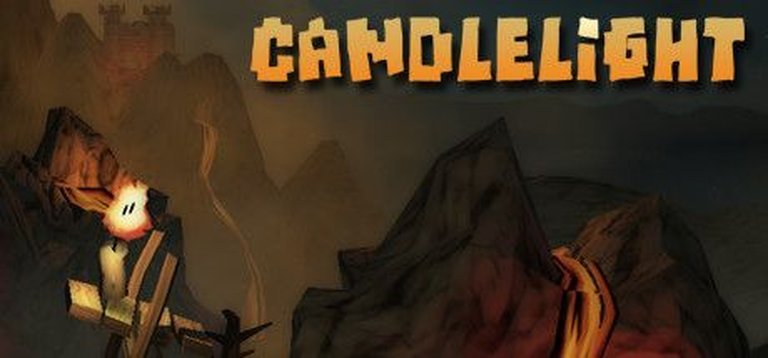
In Candlelight, a mysterious entity has plunged the world into darkness by extinguishing all candles, leaving a lone surviving candle to embark on an epic quest to restore light across diverse fantasy landscapes including lost tropical islands, desolate deserts, lava-filled volcanoes, vast oceans, dark forests, and puzzling castles. This side-scrolling 2D platformer features action-packed gameplay with jumping, shooting fireballs, puzzle-solving, exploration of 15 huge levels and 45 hidden temples, boss battles against smoke, water, and ice foes, and unique mechanics like piloting hot air balloons and pirate ships, all enhanced by a realtime lighting system casting dynamic shadows.
Gameplay Videos
Where to Buy Candlelight
PC
Candlelight Guides & Walkthroughs
Candlelight Reviews & Reception
metacritic.com (69/100): Mixed or Average
thesixthaxis.com : Rod Moye has created a decent platformer with Candlelight. Though it can be challenging, it remains accessible, but there are some issues that prevent Candlelight from being a truly magnificent game.
Candlelight: Review
Introduction
In a gaming landscape dominated by sprawling open worlds and hyper-realistic blockbusters, Candlelight flickers like a defiant spark—a solo developer’s ode to classic 2D platformers, where you embody a literal candle braving elemental perils to restore light to a darkened realm. Released in 2016 by Pixel Maverick Games, this unassuming indie title evokes the whimsical charm of Nintendo-era adventures while grappling with the shadows of repetition and unmet potential. Its legacy is that of a heartfelt labor of love: visually mesmerizing and mechanically tight, yet ultimately too dim to illuminate the pantheon of great platformers. My thesis? Candlelight exemplifies the triumphs and tribulations of solitary indie creation, delivering moments of pure, relaxing joy amid a formula that waxes and wanes, securing its place as a cult curiosity rather than a genre-defining flame.
Development History & Context
Pixel Maverick Games, the one-man studio helmed by Rod Moye, birthed Candlelight amid the mid-2010s indie renaissance—a era when tools like Unity democratized development, allowing solo creators to challenge industry giants. Moye began teasing the project as early as 2013 on platforms like IndieDB and ModDB, releasing demos that evolved from basic prototypes to polished alphas. By 2014, a Steam Greenlight campaign launched, showcasing fireballs, temples, and dynamic lighting, while PS4 porting efforts underscored Moye’s multitasking prowess: coding, art, music, business setup, all juggled alongside a full-time job and family life.
Technological constraints were minimal thanks to Unity, enabling realtime lighting that cast dynamic shadows—a standout feature for a 2D game. The 2016 release on Steam ($9.99) and PS4 aligned with the post-Shovel Knight boom in retro-inspired platformers, where indies like Celeste and Cuphead ( contemporaries in spirit) emphasized precision and personality. Yet Candlelight arrived in a crowded field: PS4’s digital storefront overflowed with bite-sized platformers, and Steam’s indie deluge demanded replayability. Moye’s persistence—three years of updates, trailers, and demos—mirrors tales of indie grit, from early scoring systems to elemental temples. As Moye noted post-release, “Dreams do come true if you just keep at it,” but the game’s brevity and lack of post-launch support reflect the era’s harsh realities for solo devs without viral marketing.
Narrative & Thematic Deep Dive
Candlelight‘s plot is elegantly minimalist, a parable of hope amid oblivion. A catastrophic storm—or smoke entity—extinguishes every candle in the land, thrusting the protagonist, a lone flickering survivor, into a quest to reignite its kin. No verbose cutscenes or branching paths; the intro story, refined over demos since 2014, sets a poetic tone: “A world cast into darkness… but there is hope.” Levels culminate in freeing massive “big candles” behind gates unlocked by lighting three elemental torches, symbolizing incremental restoration.
Characters are archetypal yet thematically resonant. The player-candle embodies fragility and resilience—its wax “health” bar shrinks with time and peril, mirroring mortality. Foes personify elemental antagonism: wind gusts snuff flames, water droplets douse them, fire accelerates melting, with generic enemies as afterthoughts. Bosses escalate this: smoke (the extinguisher), water, and ice, each a thematic foil demanding pattern avoidance before fireball barrages. Dialogue is sparse—signs offer hints like mechanics tutorials—leaving themes to emerge organically: isolation in oppressive shadows, the cycle of light vs. dark, and perseverance against natural entropy.
Deeper analysis reveals influences from Limbo and Inside‘s atmospheric dread, blended with Super Mario whimsy. The Alice in Wonderland-inspired well level, with ticking clocks and card platforms, injects surrealism, pondering time’s erosive power on light. Idols and collectibles evoke ancient guardians, hinting at forgotten lore. Ultimately, the narrative succeeds as metaphor—your flame’s survival as heroism—but falters in emotional depth; no evolving relationships or twists dilute its fable-like purity into repetition.
Gameplay Mechanics & Systems
At its core, Candlelight loops around exploration, platforming, and puzzle-lite temple challenges in 15 “huge” levels, clocking 3-4 hours total. Basic jumps and double-jumps feel exquisitely responsive, with fireball shooting to ignite torches, blast TNT (revealing secrets), and fell foes. Progression demands activating three temples per level (wind, water, fire variants among 45 total), backtracking to unlock the exit gate. Checkpoints are forgiving, respawning at last activation with tombstones marking deaths for speedrunning.
Innovations shine: wax management as passive drain (replenished via drops, beehives) adds tension without frenzy, shrinking the sprite for visual feedback. Enhanced light reveals hidden paths; vehicles like hot air balloons and cannon-armed pirate ships diversify traversal. UI is clean—bottom-screen maps (unlocked via collectibles) track wax/candles, scoring incentivizes replays via time, deaths, collections for three-star ratings.
Flaws abound, however. Repetition reigns: temple formula rarely evolves beyond “navigate hazards, light torch,” leading to staleness. Bosses follow rote patterns—dodge, expose vulnerability, repeat—lacking flair. Challenge plateaus early; forgiving health and abundance of pickups render most threats toothless, undermining satisfaction despite tight controls. Late-game introductions (e.g., final-level mechanics) feel untaught, frustrating newcomers. Speedrun support is native but undercooked, with levels prioritizing casual vibes over mastery. It’s a relaxing jaunt, not a precision gauntlet like Super Meat Boy.
World-Building, Art & Sound
The world sprawls across fantasy biomes—tropical isles, deserts, volcanoes, oceans, forests, castles—each “skinned” with thematic perils, fostering a cohesive “darkened land” awaiting illumination. Atmosphere thrives on peril: shadows loom oppressively until your light pierces them, realtime dynamic lighting contorting environments in realtime beauty. Visuals, handcrafted in a distinctive cartoonish style, pop with charm—Nintendo-esque sprites shrink/melt expressively, while Alice’s well delights with floating clocks and card platforms.
Art direction prioritizes mood over spectacle: dark palettes unify levels, punctuated by vibrant secrets. Sound design complements—ominous ticks in wonderland depths, elemental whooshes—but falters in music: tracks abruptly halt/start between areas, jarring flow. No full soundtrack noted, but ambient effects (flame crackles, wind howls) immerse. Collectively, these forge a hypnotic, oppressive coziness: light as salvation in elemental hell, elevating basic platforming to sensory poetry.
Reception & Legacy
Launch reception was mixed: Metacritic’s PS4 score of 69 (4 critics) reflects divide—Digitally Downloaded (80) praised relaxing execution, TheSixthAxis/Brash Games (70s) lauded solo polish, but PlayStation LifeStyle (55) decried disjointed ideas. User scores dipped lower (4.5/10), with Steam’s 8 reviews echoing repetition. Blogs like Stephen Gregson-Wood (5/10) noted tedium, while PS4Blog! gushed 9/10 as a “masterpiece.”
Commercially modest—few collectors on MobyGames, low Steam visibility—it garnered niche praise for aesthetics/controls, influencing few directly but embodying indie ethos. No patches/sequels; legacy endures in speedrun communities and as Moye’s triumph. Compared to peers (Shovel Knight, Celeste), it lacks depth but inspires via dynamic lighting in indies. Its influence? Subtle: proof solo devs can deliver PS4/Steam parity, fueling Unity-era platformers emphasizing theme over grind.
Conclusion
Candlelight burns bright in ambition and artistry—a solo symphony of light conquering dark, with peerless controls, dynamic shadows, and thematic whimsy across 15 evocative levels. Yet repetition, unchallenging design, and abrupt mechanics snuff its potential, rendering it a casual curiosity rather than enduring classic. Rod Moye’s feat cements its historical niche: a testament to indie persistence in 2016’s deluge, ideal for relaxed evenings but forgettable for platformer purists. Verdict: 7/10—a flickering gem warranting rediscovery, illuminating solo dev dreams without fully igniting the genre. Play for the glow, not the inferno.