
- Release Year: 2017
- Platforms: Android, iPad, iPhone, Macintosh, Windows
- Publisher: Black Shell Media, LLC
- Developer: WinterSpring Games
- Genre: Role-playing (RPG), Strategy, Tactics
- Perspective: Side view
- Game Mode: Single-player
- Gameplay: Cards, Deck Building, Dungeon Crawling, Resource collection, Roguelike, Tiles
- Average Score: 70/100
Description
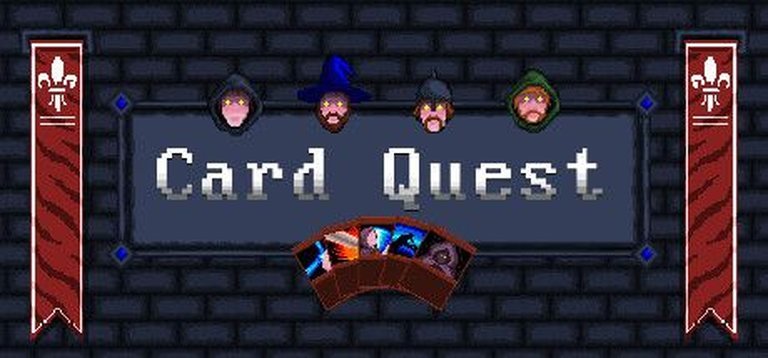
Card Quest is a strategic card-based RPG that blends deck-building with roguelike dungeon crawling. Players choose from multiple classes like Rogue, Wizard, Fighter, or Hunter, each with unique abilities, to battle through perilous dungeons filled with undead enemies. Using carefully constructed decks representing attacks, defenses, and skills, adventurers must outmaneuver foes while collecting new equipment and powerful cards to strengthen their arsenal across procedurally generated challenges.
Where to Buy Card Quest
PC
Card Quest Guides & Walkthroughs
Card Quest Reviews & Reception
metacritic.com (80/100): If you can get past the retro graphics, and you don’t have a pathological hatred of card games, you’ll find Card Quest fun, engaging and horrendously addictive.
steambase.io (86/100): Card Quest has earned a Player Score of 86 / 100. This score is calculated from 364 total reviews which give it a rating of Very Positive.
games.criticker.com (45/100): modul8ted – 21 Jul 2023 – 45
Card Quest: Review
Introduction
In the ever-evolving landscape of indie gaming, few titles manage to capture the essence of classic gameplay mechanics while introducing innovative twists. Card Quest, developed by WinterSpring Games and published by Black Shell Media, is one such gem. Released in November 2017, this dungeon-crawling adventure game blends the strategic depth of tactical roguelike gameplay with unique card combat, offering players a fresh and engaging experience. This review delves into the intricate details of Card Quest, examining its development history, narrative, gameplay mechanics, world-building, reception, and legacy. By the end, it will be clear why Card Quest deserves a place in the annals of video game history.
Development History & Context
Studio and Creators’ Vision
WinterSpring Games, the studio behind Card Quest, is known for its dedication to creating unique and challenging gaming experiences. The developers, Baptiste Dubessay and Nicolas Tobias, envisioned a game that would pay homage to classic dungeon crawlers while introducing a modern twist through card-based combat. Their goal was to create a game that was both accessible and deep, appealing to both casual and hardcore gamers.
Technological Constraints and Gaming Landscape
Card Quest was developed using the Unity engine, which allowed for a high degree of flexibility and control over the game’s mechanics and visuals. The game’s pixelated art style was a deliberate choice, aiming to evoke nostalgia for classic RPGs while providing a unique aesthetic. The technological constraints of the era were minimal, allowing the developers to focus on gameplay mechanics and strategic depth.
The gaming landscape in late 2017 was dominated by a surge in indie titles, many of which experimented with new gameplay mechanics and genres. Card Quest stood out by combining the familiar dungeon-crawling genre with the strategic depth of card games, creating a unique hybrid that appealed to a wide audience.
Narrative & Thematic Deep Dive
Plot and Characters
Card Quest features a simple yet engaging narrative that serves as a backdrop for the game’s core mechanics. Players take on the role of a hero tasked with defeating an undead plague that has overtaken a city. The story is told through three distinct campaigns, each with its own set of quests and challenges. The narrative is intentionally minimalistic, allowing players to focus on the gameplay while still providing a sense of progression and purpose.
The game features four playable classes: Rogue, Wizard, Fighter, and Hunter. Each class has its own unique set of abilities and playstyles, encouraging players to experiment and find the one that suits them best. The characters are well-designed, with distinct personalities and backstories that add depth to the gameplay experience.
Dialogue and Themes
The dialogue in Card Quest is concise and to the point, reflecting the game’s focus on gameplay over storytelling. The themes explored in the game include perseverance, strategy, and the importance of adaptability. Players must learn to adapt their strategies to different situations, using their cards and abilities in creative ways to overcome challenges.
Gameplay Mechanics & Systems
Core Gameplay Loops
Card Quest features a turn-based combat system that is both simple and deep. Players are given a hand of five cards at the beginning of each battle, which they can use to attack, defend, or apply status effects to their enemies. The game’s strategic depth comes from the ability to chain cards together, creating powerful combinations that can turn the tide of battle.
Combat and Character Progression
Combat in Card Quest is turn-based, with players and enemies taking turns to attack and defend. Each class has its own unique set of cards and abilities, encouraging players to experiment and find the playstyle that suits them best. Character progression is handled through a system of levels and specializations, allowing players to customize their heroes and adapt to different challenges.
The user interface is intuitive and easy to use, with clear visual indicators for card effects and status conditions. The game’s difficulty is well-balanced, providing a challenge without being overly punishing.
Innovative and Flawed Systems
One of the most innovative aspects of Card Quest is its card-based combat system. The ability to chain cards together and create powerful combinations adds a layer of strategy and depth to the gameplay. However, the game’s lack of deck-building mechanics can be seen as a flaw, as players are limited to the cards they are given and cannot customize their decks to suit their playstyle.
World-Building, Art & Sound
Setting and Atmosphere
Card Quest features a richly detailed world that is both familiar and unique. The game’s pixelated art style evokes nostalgia for classic RPGs while providing a fresh and engaging aesthetic. The environments are well-designed, with each campaign featuring its own distinct visual style and atmosphere.
The game’s sound design is equally impressive, with a mix of ambient sounds and musical cues that enhance the gameplay experience. The music is particularly noteworthy, with a mix of orchestral and electronic elements that create a sense of tension and excitement.
Visual Direction and Sound Design
The visual direction of Card Quest is a deliberate choice, aiming to evoke nostalgia for classic RPGs while providing a unique and engaging aesthetic. The game’s pixelated art style is complemented by a rich color palette and detailed animations, creating a world that is both familiar and fresh.
The sound design is equally impressive, with a mix of ambient sounds and musical cues that enhance the gameplay experience. The music is particularly noteworthy, with a mix of orchestral and electronic elements that create a sense of tension and excitement.
Reception & Legacy
Critical and Commercial Reception
Card Quest received generally positive reviews upon its release, with critics praising its unique gameplay mechanics and strategic depth. The game’s pixelated art style and retro-inspired design were also well-received, with many reviewers noting the game’s ability to evoke nostalgia for classic RPGs.
The game’s commercial reception was equally impressive, with a dedicated fanbase that continues to support the title to this day. The game’s success can be attributed to its unique blend of classic and modern gameplay mechanics, as well as its well-designed world and engaging narrative.
Influence on Subsequent Games and the Industry
Card Quest has had a significant influence on subsequent games and the industry as a whole. Its unique blend of dungeon-crawling and card-based combat has inspired a number of titles, with many developers citing Card Quest as a major influence. The game’s success has also paved the way for other indie titles, demonstrating the potential of the genre and the importance of innovation and creativity.
Conclusion
Card Quest is a testament to the power of innovation and creativity in game design. Its unique blend of classic and modern gameplay mechanics, combined with a richly detailed world and engaging narrative, makes it a standout title in the indie gaming landscape. The game’s strategic depth and challenging gameplay have earned it a dedicated fanbase and a place in the annals of video game history. For those looking for a fresh and engaging gaming experience, Card Quest is a must-play title that continues to inspire and entertain.