
- Release Year: 2017
- Platforms: Windows
- Publisher: Unknown
- Developer: Unknown
- Genre: Role-playing (RPG)
- Perspective: Diagonal-down
- Game Mode: Hotseat, Online Co-op, Online PVP
- Gameplay: Board game, Roguelike
- Setting: Fantasy
- Average Score: 81/100
Description
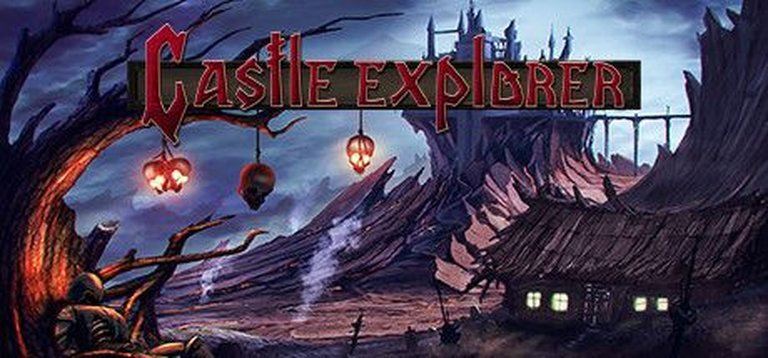
Castle Explorer is a digital board game set in a vibrant fantasy realm where players take on the roles of courageous heroes navigating a treacherous castle filled with deadly creatures and traps. The goal is to amass the most wealth and escape the castle alive, with up to eight players competing in various multiplayer modes. The game features randomly generated dungeons, smart AI opponents, and a variety of fantasy characters to choose from.
Gameplay Videos
Where to Buy Castle Explorer
PC
Castle Explorer Cracks & Fixes
Castle Explorer Patches & Updates
Castle Explorer Guides & Walkthroughs
Castle Explorer Reviews & Reception
steambase.io (81/100): Castle Explorer has earned a Player Score of 81 / 100. This score is calculated from 37 total reviews which give it a rating of Positive.
Castle Explorer (2017): A Quirky Indie Hybrid That Punches Above Its Weight Class
Introduction
In an era dominated by AAA blockbusters and live-service leviathans, Castle Explorer (2017) emerges as a scrappy underdog—a digital board game-RPG hybrid dripping with indie charm. Developed solo by MightyCodeDragon, this Windows-exclusive title invites 1–8 players into a whimsical fantasy death trap where greed and glory collide. Though rough around the edges, Castle Explorer delivers a surprisingly addictive loop of procedural peril and devilish multiplayer antics. This review unpacks its triumphs, tribulations, and quiet legacy as a love letter to couch co-op chaos.
Development History & Context
The One-Dev Wonder
Castle Explorer was born from the tenacity of a lone developer leveraging accessible tools like MonoGame and SDL. Released on March 31, 2017, it arrived during indie gaming’s golden age, when titles like Hollow Knight and Cuphead proved small teams could rival studio giants. However, MightyCodeDragon’s vision was decidedly niche: resuscitating the charm of tabletop dungeon crawlers like HeroQuest with roguelike randomization and modern online play.
A David Among Goliaths
The game’s 2017 launch coincided with PlayerUnknown’s Battlegrounds redefining multiplayer expectations, yet Castle Explorer defiantly catered to local co-op purists. Its hotseat mode (a rarity in the era of online-only design) and modest $4.99 price tag positioned it as a budget-friendly throwback. Technical constraints—like reliance on A* pathfinding for AI—reflect the developer’s pragmatic approach, prioritizing functional systems over polish.
Narrative & Thematic Deep Dive
Paper-Thin Lore, Maximum Charm
Storytelling takes a backseat to gameplay here. Players assume the roles of fortune-seeking heroes lured into a dragon’s labyrinthine castle, where every sunrise offers a fresh chance to plunder—or perish. The setup evokes classic fairy tales: minimal context, maximal danger.
Themes of Greed and Hubris
While lacking deep character arcs, the game nails its core theme: greed versus survival. The castle’s shifting halls (procedurally generated each run) punish overconfidence, while rival players sabotage each other for loot. It’s Jumanji meets Squid Game, where camaraderie dissolves at the sight of gold.
Gameplay Mechanics & Systems
Board Game DNA Meets Roguelike Spice
At its core, Castle Explorer is a turn-based dungeon crawler with tabletop sensibilities:
– Character Selection: Eight archetypes (warrior, rogue, etc.) with unstated stat differences, encouraging experimentation.
– Procedural Generation: Random traps, monsters, and treasure layouts ensure no two runs feel identical.
– Multiplayer Mayhem: Hotseat and online modes for up to eight players, though technical hiccups (reported crashes on Linux/Windows 11) mar the experience.
Flawed Innovations
The AI’s A* pathfinding creates competent foes, but lackluster UI—vague tooltips, no tutorial—leaves players guessing. Attributes like strength or agility go unexplained, frustrating newcomers. Yet, the sheer chaos of multiplayer salvages these flaws: backstabbing friends over dragon hoards is irresistibly fun.
World-Building, Art & Sound
A Vibrant, If Generic, Fantasy Realm
The castle’s aesthetic leans on familiar tropes—stone corridors, flickering torches, cartoonish dragons—but exudes indie charisma. While no visual standout, the diorama-like perspective (diagonal-down view) enhances its board game illusion.
Silent but Deadly
Sound design is conspicuously absent from reviews and descriptions, suggesting minimal atmospheric audio. This omission dulls immersion but keeps the focus on strategy and banter.
Reception & Legacy
A Cult Following Emerges
With an 81% “Very Positive” Steam rating (37 reviews as of 2025), Castle Explorer found a modest audience. Players praised its “fun but janky” multiplayer, while criticizing technical issues like macOS crashes. Notably, no mainstream critics reviewed it, cementing its underground status.
Post-Launch Lifeblood
Three DLC packs (The Dark Below, Heroes and Rings, Dark Magic) added enemies and abilities, proving the developer’s commitment. Despite this, the game never escaped niche obscurity—its legacy lives on as a quirky footnote in the indie co-op renaissance.
Conclusion
Castle Explorer is a fascinating paradox: a technically uneven but endlessly entertaining indie gem. Its marriage of board game structure and roguelike unpredictability shines brightest with friends, even as solo play feels underbaked. While not groundbreaking, it exemplifies the creativity of solo developers—a testament to what passion and community feedback can achieve. For $4.99, it’s a steal for game-night enthusiasts. Just brace for bugs, and bring extra controllers.
Final Verdict: A flawed but heartfelt homage to tabletop chaos, best enjoyed with wine, pretzels, and a tolerance for improvisation.