
- Release Year: 2021
- Platforms: Android, iPad, iPhone, Windows
- Publisher: Pine Studio d.o.o.
- Developer: Pine Studio d.o.o.
- Genre: Puzzle
- Perspective: 1st-person
- Game Mode: Single-player
- Gameplay: Point and select
- Setting: Futuristic, Sci-fi
- Average Score: 96/100
Description
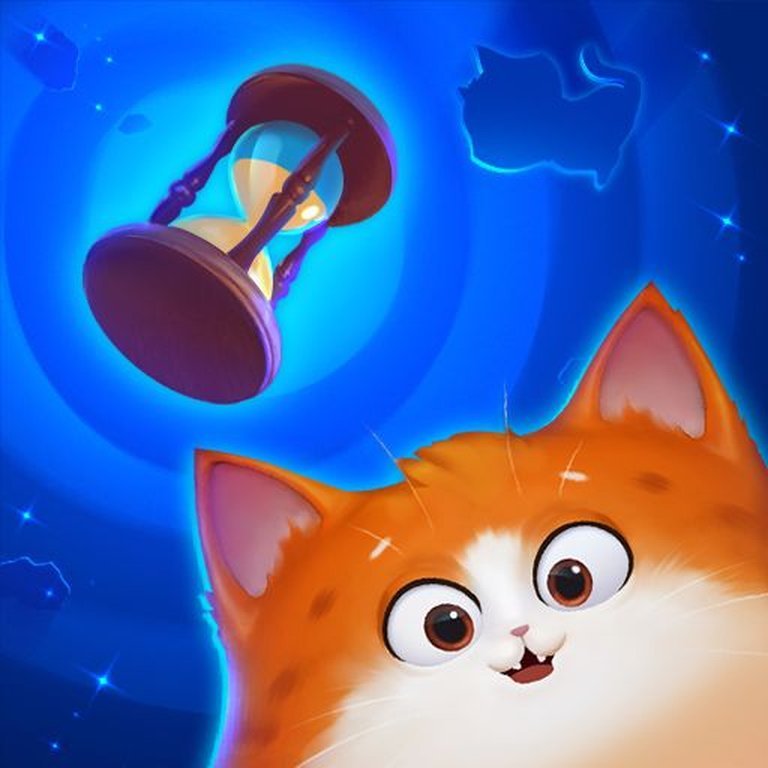
Cats in Time is a charming puzzle game where players must solve intricate puzzles to rescue trapped cats across various time periods. Inspired by games like The Room, it features a first-person perspective with point-and-select mechanics, blending a sci-fi/futuristic setting with a whimsical time-travel theme. Players explore towers and castles filled with puzzles, aiming to free the feline captives while enjoying a cozy yet challenging experience.
Where to Buy Cats in Time
PC
Cats in Time Free Download
Cats in Time Patches & Updates
Cats in Time Guides & Walkthroughs
Cats in Time Reviews & Reception
steambase.io (96/100): A relaxing puzzle game in which you explore 3D dioramas, solve puzzles and save cats lost in time!
saveorquit.com : Cats in Time is an enjoyable hidden object game with cute visuals.
Cats in Time: A Purr-fect Puzzle Through the Ages
Introduction: A Whisker in Time
In the vast, often chaotic landscape of indie gaming, Cats in Time emerges as a serene oasis—a game that blends the charm of feline companionship with the intrigue of time-traveling puzzles. Developed by Pine Studio and released in August 2021, this title invites players into a world where adorable cats are scattered across history, waiting to be rescued from the clutches of temporal displacement. With its gentle learning curve, vibrant visuals, and a soothing soundtrack, Cats in Time carves out a niche for itself as a relaxing yet engaging puzzle adventure.
At its core, Cats in Time is a first-person puzzle game that tasks players with exploring meticulously crafted 3D dioramas, solving a variety of brain-teasers, and—most importantly—finding hidden cats. The premise is simple: Professor Tim Edger, an eccentric inventor and cat enthusiast, accidentally sends his beloved feline friends hurtling through time via a malfunctioning time machine (which, amusingly, resembles a washing machine). Players must traverse seven distinct historical periods—from Ancient Egypt to Future Tokyo—along with additional seasonal and secret levels, to rescue over 300 cats and collect postcard fragments.
What sets Cats in Time apart from other hidden object games is its emphasis on tactile, hands-on puzzles. Unlike traditional point-and-click adventures where interactions can feel detached, Cats in Time encourages players to physically manipulate objects, rotate mechanisms, and engage with the environment in a way that feels satisfyingly tangible. This, combined with its wholesome aesthetic and stress-free gameplay, makes it a standout title in the casual puzzle genre.
Development History & Context: Crafting a Time-Traveling Feline Adventure
The Studio Behind the Purrs: Pine Studio
Pine Studio, a Croatian indie development team, is the creative force behind Cats in Time. Founded by a group of passionate developers, the studio has a track record of crafting visually appealing and mechanically polished puzzle games. Prior to Cats in Time, Pine Studio worked on titles like The Academy: The First Riddle and the Faraway series, which share a similar focus on intricate puzzles and immersive environments. Their experience in the puzzle genre is evident in Cats in Time, where every mechanism feels deliberate and every level is designed with care.
The team behind Cats in Time is relatively small, with 11 developers and 3 additional contributors credited for the Windows version. Key figures include:
– Boris Barbir (Project Lead)
– Antonio Planinčić (Lead Programmer)
– Matija Švaco (Lead Artist)
– Saša Dukić (Audio Designer)
This tight-knit team allowed for a cohesive vision, ensuring that the game’s art, sound, and mechanics harmonized seamlessly.
The Vision: A Relaxing Puzzle Experience
From its inception, Cats in Time was designed to be a relaxing, family-friendly experience. The developers sought to create a game that could be enjoyed by players of all ages, with a particular emphasis on accessibility. This is reflected in the game’s “Kids Mode,” which simplifies puzzles and removes more complex mechanics, making it easier for younger players to enjoy the adventure.
The choice of cats as the central theme was no accident. Cats are universally beloved, and their playful, curious nature aligns perfectly with the game’s exploratory gameplay. The time-travel premise, while not entirely original, provides a fresh backdrop for the puzzles, allowing the developers to experiment with diverse settings and mechanics.
Technological Constraints and Design Choices
Cats in Time was built using the Unity engine, a popular choice for indie developers due to its flexibility and ease of use. The game’s 3D dioramas are rendered in a stylized, cartoonish aesthetic that is both visually appealing and performance-friendly. This art style ensures that the game runs smoothly on a wide range of devices, from mobile platforms to PCs.
One of the most notable design choices is the game’s first-person perspective. Unlike many hidden object games that rely on static 2D scenes, Cats in Time adopts a dynamic 3D approach, allowing players to rotate and zoom in on environments. This not only enhances immersion but also adds a layer of depth to the puzzles, as players must often examine objects from multiple angles to solve them.
The FMOD sound engine was used to create the game’s audio landscape, which includes a relaxing soundtrack and ambient sounds tailored to each time period. The music is subtle yet effective, enhancing the atmosphere without overwhelming the player. The sound of a cat’s meow upon discovery is a particularly delightful touch, reinforcing the game’s lighthearted tone.
The Gaming Landscape at Launch
Cats in Time entered a market already saturated with hidden object and puzzle games. However, its unique blend of 3D exploration, tactile puzzles, and feline charm helped it stand out. The game’s release in 2021 coincided with a surge in demand for relaxing, casual experiences—likely a response to the global pandemic, which left many players seeking escapism and stress relief.
The game’s initial release on Android and iOS in March 2021 was followed by a Windows launch in August 2021 via Steam. The Steam version, dubbed the “Ultimate Version,” included additional levels, enhanced graphics, and new mechanics, making it the definitive way to experience the game. This staggered release strategy allowed Pine Studio to refine the game based on mobile player feedback before bringing it to a broader audience.
Narrative & Thematic Deep Dive: A Tale of Time, Cats, and Curiosity
Plot Overview: The Great Feline Scatter
The narrative of Cats in Time is minimalist yet effective. Players assume the role of an unnamed protagonist who assists Professor Tim Edger, a lovable if somewhat absent-minded inventor. The professor’s latest creation—a time machine disguised as a washing machine—malfunctions when his cats accidentally activate it, sending them hurtling through various historical eras. The player’s mission is clear: travel through time, solve puzzles, and rescue the wayward felines.
The story is delivered through Professor Edger’s cheerful narration, which appears at the start of the game and occasionally during level transitions. His enthusiastic, slightly eccentric personality adds a layer of charm to the experience, making the player feel like a partner in his whimsical quest. While the narrative is lightweight, it serves its purpose well, providing context for the gameplay without overwhelming the player with exposition.
Characters: The Professor and His Feline Friends
-
Professor Tim Edger: The heart and soul of Cats in Time, Professor Edger is a quintessential “mad scientist” archetype—brilliant but scatterbrained, passionate about both invention and his feline companions. His dialogue is sprinkled with humor and warmth, making him an endearing guide throughout the adventure.
-
The Cats: While the cats themselves are not individualized in terms of personality, their sheer variety and hiding spots make them the stars of the show. Each cat is uniquely posed, often in amusing or unexpected locations, encouraging players to explore every nook and cranny of the environment. The joy of discovering a cat—whether it’s perched on a pyramid, hiding in a medieval castle, or lounging in a futuristic Tokyo apartment—is a core part of the game’s appeal.
Themes: Exploration, Curiosity, and the Joy of Discovery
At its core, Cats in Time is a celebration of curiosity and exploration. The game encourages players to engage with their surroundings, rewarding thoroughness with the discovery of hidden cats and postcard fragments. This aligns perfectly with the behavior of real cats, who are notorious for their inquisitive nature and love of hiding in unexpected places.
The time-travel theme serves as a vehicle for variety, allowing the game to explore different historical and cultural settings. Each era is distinct not only in its visual design but also in its puzzle mechanics. For example:
– Ancient Egypt features hieroglyphic puzzles and pyramid exploration.
– Medieval Germany includes mechanical contraptions like watermills and blacksmith forges.
– Future Tokyo incorporates futuristic technology and neon-lit dioramas.
This diversity ensures that the gameplay remains fresh and engaging, even as the core mechanics (finding cats and solving puzzles) stay consistent.
Dialogue and Humor: Lighthearted and Wholesome
The game’s dialogue is sparse but effective. Professor Edger’s introductory monologue sets the tone:
“Hello explorers! My name is Professor Tim Edger, and I’m the inventor of the time machine and an avid cat lover! Sadly, I have a problem, and maybe YOU can help me. You see, my beloved cats are missing. While playing in the lab, they’ve activated my time machine and ⚡ZAP⚡, now they are lost in space and time!”
This playful, slightly exaggerated style permeates the game, reinforcing its lighthearted and family-friendly appeal. The lack of voice acting is not a detriment; the text is concise and charming, and the ambient sounds more than make up for any absence of spoken dialogue.
Gameplay Mechanics & Systems: Puzzles, Cats, and Everything in Between
Core Gameplay Loop: Find, Solve, Rescue
The gameplay of Cats in Time revolves around a simple yet addictive loop:
1. Explore the Environment: Each level is a self-contained 3D diorama representing a different time period. Players can rotate the camera 360 degrees, zoom in and out, and interact with objects.
2. Solve Puzzles: To uncover hidden cats, players must solve a variety of puzzles. These range from simple slider puzzles to more complex mechanical challenges.
3. Rescue Cats: Once a puzzle is solved or a hidden area is uncovered, players can click on the cats to rescue them. Each level contains 10 cats and 3 postcard fragments to collect.
This loop is repeated across 32 main levels, divided into seven historical eras and four seasonal levels. The game also includes a secret level, “The Time Conundrum,” which is unlocked by collecting all postcard fragments and solving a final puzzle.
Puzzle Variety: From Simple to Satisfyingly Complex
Cats in Time excels in its puzzle design, offering a wide range of mechanics that keep the gameplay engaging. Some of the most notable puzzle types include:
- Slider and Rotation Puzzles: Common in early levels, these require players to align symbols or rotate mechanisms to unlock hidden areas.
- Inventory-Based Puzzles: Players collect items (e.g., keys, gears, or symbols) and use them to solve larger puzzles.
- Logic and Pattern Puzzles: These challenge players to recognize sequences, match symbols, or recreate patterns.
- Hidden Object Challenges: Some cats are hidden in plain sight, requiring keen observation to spot.
- Mechanical Puzzles: Found in later levels, these involve manipulating levers, gears, and other contraptions to reveal cats.
The difficulty curve is well-paced, with early levels serving as tutorials for basic mechanics. As players progress, the puzzles become more intricate, often combining multiple mechanics in a single challenge. However, the game never becomes frustratingly difficult, making it accessible to players of all skill levels.
Kids Mode: A Thoughtful Accessibility Feature
Recognizing that younger players might struggle with some of the more complex puzzles, Pine Studio included a Kids Mode. When activated, this mode simplifies or removes certain puzzles, allowing children to focus on the joy of finding cats without getting stuck. While this is a commendable feature, it is not without its flaws. Some cats remain hidden behind objects that require specific camera angles to spot, which can lead to frustration if the child cannot figure out how to reveal them.
UI and Controls: Intuitive and User-Friendly
The game’s user interface is clean and unobtrusive. Key elements include:
– Cat Counter: Displays the number of cats found and remaining in the current level.
– Postcard Tracker: Shows collected postcard fragments.
– Hint System: Provides optional hints for puzzles, though using them disqualifies players from certain achievements.
– Menu and Settings: Allows players to adjust graphics, sound, and controls.
Controls are straightforward:
– Mouse: Used for navigation, interaction, and puzzle-solving.
– Keyboard Shortcuts: Limited but functional (e.g., escaping menus).
The game supports Steam achievements, adding a layer of replayability for completionists. Achievements range from finding all cats in a level to solving puzzles without hints or within a time limit.
Innovative Mechanics: The Time Conundrum
The secret level, “The Time Conundrum,” is a standout feature. Unlocked by collecting all postcard fragments, this level tasks players with solving a meta-puzzle using clues hidden within the postcards themselves. The solution involves:
1. Analyzing Postcards: Each postcard contains numbers or symbols that hint at the solution.
2. Inputting the Code: Players must enter the correct code into the washing machine (time machine) on the main menu.
3. Accessing the Secret Level: Once unlocked, this level contains 10 additional cats to find, providing a satisfying conclusion to the adventure.
This mechanic encourages players to engage with the game on a deeper level, rewarding thorough exploration and attention to detail.
Flaws and Missed Opportunities
While Cats in Time is a polished and enjoyable experience, it is not without its shortcomings:
– Repetitive Puzzle Structures: Some players may find that the puzzles, while varied, begin to feel formulaic after extended play.
– Limited Narrative Depth: The story, while charming, is minimal and does not evolve beyond the initial premise.
– Kids Mode Limitations: As mentioned, this mode can sometimes create unintended frustrations due to camera or interaction issues.
– Lack of Voice Acting: While the text is well-written, voice acting could have added another layer of immersion.
Despite these minor flaws, the game’s strengths far outweigh its weaknesses, making it a standout title in the puzzle genre.
World-Building, Art & Sound: A Feast for the Senses
Setting and Atmosphere: A Journey Through Time
Cats in Time’s greatest strength lies in its world-building. Each of the seven main eras is meticulously crafted to reflect its historical and cultural context:
- Ancient Egypt: Pyramids, hieroglyphs, and sandy landscapes dominate this era. Levels include a village, shrine, port, and palace, each filled with Egyptian iconography.
- Mediterranean Greece: Whitewashed buildings, windmills, and lighthouses evoke the charm of the Greek islands. The basilica and town levels are particularly stunning.
- Medieval Germany: Castles, inns, and blacksmith forges create a rustic, fairy-tale atmosphere. The watermill level is a highlight, with its intricate wooden mechanisms.
- Wild West: Saloons, train stations, and mines capture the spirit of the American frontier. The barn and city hall levels are packed with detail.
- 90s New York: A nostalgic trip to the late 20th century, featuring fire departments, cinemas, and construction sites. The skyscraper level is a visual treat.
- Future Tokyo: Neon lights, holograms, and futuristic architecture define this era. The metro and factory levels are especially immersive.
- Atlantis: An underwater wonderland with sunken ships, villas, and idols. The submarine level is a standout, blending mystery and beauty.
In addition to the main eras, the game includes seasonal levels (Halloween, Christmas, Ancient China, and Beach) and the secret “Time Conundrum” level, each offering unique visual and gameplay experiences.
Visual Direction: A Cartoony, Vibrant Aesthetic
The game’s art style is a delightful blend of cartoonish charm and detailed realism. Characters and environments are rendered in a stylized 3D aesthetic that is both visually appealing and performance-friendly. Key visual elements include:
– Bright, Saturated Colors: Each era has a distinct color palette, from the golden hues of Ancient Egypt to the cool blues of Atlantis.
– Expressive Animations: Cats are animated with personality, often stretching, yawning, or playfully batting at objects.
– Detailed Dioramas: Every level is packed with interactive objects, from crates and levers to intricate machinery.
The game’s visuals are optimized for clarity and accessibility. Objects that can be interacted with are often highlighted with a yellow glow, ensuring that players can easily identify puzzle elements. This design choice reduces frustration and keeps the gameplay flowing smoothly.
Sound Design: A Symphony of Relaxation
The soundtrack of Cats in Time is a masterclass in ambient relaxation. Composed to match each era’s theme, the music enhances immersion without overwhelming the player. Key audio elements include:
– Era-Specific Tracks: Ancient Egypt features mystical, flute-heavy melodies, while Future Tokyo incorporates synthwave beats.
– Ambient Sounds: Birds chirping, waves crashing, and machinery humming add depth to the environments.
– Cat Sounds: The playful meows and purrs of rescued cats are a constant delight, reinforcing the game’s wholesome tone.
The FMOD sound engine ensures that audio is crisp and dynamic, adapting to player actions and environmental changes. The lack of voice acting is a minor omission, but the ambient sounds more than compensate, creating a soothing auditory experience.
Atmosphere: A Cozy, Stress-Free Escape
Cats in Time excels in creating a cozy, stress-free atmosphere. The combination of vibrant visuals, relaxing music, and gentle gameplay makes it the perfect game for unwinding after a long day. The absence of timers, fail states, or punitive mechanics ensures that players can explore at their own pace, fostering a sense of joy and discovery rather than pressure or frustration.
Reception & Legacy: A Hidden Gem in the Puzzle Genre
Critical Reception: Overwhelmingly Positive
Cats in Time has been met with near-universal acclaim from players, particularly on Steam, where it holds an Overwhelmingly Positive rating based on over 1,300 reviews. Critics and players alike have praised the game for its:
– Charming Aesthetic: The vibrant visuals and adorable cats have been highlighted as major selling points.
– Relaxing Gameplay: The stress-free nature of the game has resonated with players seeking a casual, enjoyable experience.
– Puzzle Variety: The diverse range of puzzles has been commended for keeping the gameplay fresh and engaging.
Steam User Reviews (Selected Highlights):
– “A relaxing puzzle game that’s perfect for unwinding. The cats are adorable, and the puzzles are just challenging enough to be satisfying without being frustrating.” – 5/5
– “I love this game because it loves me! I’m not out to conquer the universe, I just want to cruise and collect kitties!” – 5/5 (App Store)
– “This setup works well, the graphics are pleasant, and the puzzles are fun. So if you’re a fan of escape room games, then you should check out Cats in Time.” – 5/5 (Android Police)
Critic Reviews:
– Gameplay (Benelux): “Wie op zoek is naar een warme, gezellige puzzelgame met katten in de hoofdrol, moet het spinnende Cats in Time in huis halen.” (Translation: “If you’re looking for a warm, cozy puzzle game with cats in the lead role, you should bring the purring Cats in Time into your home.”)
– Lilly’s Corner Reviews: “There is no timer, no stress at all, and it’s overall an extremely fun, enjoyable and wholesome experience for a very decent price.” – 92/100
Commercial Success and Player Engagement
While Cats in Time may not have achieved blockbuster status, it has carved out a dedicated fanbase, particularly among casual gamers and puzzle enthusiasts. The game’s Steam sales have been steady, with frequent discounts and bundles helping to attract new players. The mobile versions (Android and iOS) have also performed well, thanks to their free-to-try model, which allows players to sample the first two eras before purchasing the full game.
The game’s longevity is evident in its active community. Players continue to share tips, walkthroughs, and fan art, particularly on platforms like Steam Community Hub and Reddit. The achievement system and secret level have also encouraged replayability, with many players striving for 100% completion.
Influence and Legacy: Inspiring Future Puzzle Games
While Cats in Time may not have revolutionized the puzzle genre, it has demonstrated the viability of relaxing, family-friendly puzzle games in a market often dominated by high-stakes, competitive titles. Its success has likely influenced other indie developers to explore similar concepts, blending hidden object mechanics with tactile puzzles and charming themes.
The game’s time-travel premise and era-specific puzzles could serve as inspiration for future titles looking to incorporate historical or cultural elements into their gameplay. Additionally, its accessibility features, such as Kids Mode, highlight the importance of designing games that can be enjoyed by players of all ages and skill levels.
Conclusion: A Timeless Adventure Worth Purring Over
Cats in Time is a delightful, well-crafted puzzle game that succeeds in its mission to provide a relaxing, enjoyable experience. Its blend of tactile puzzles, charming visuals, and adorable cats creates a unique and memorable adventure that stands out in the crowded indie puzzle genre. While it may not offer the depth of narrative or complexity found in some other titles, its accessibility, variety, and sheer charm make it a must-play for fans of casual gaming.
Final Verdict: 8.5/10 – A Purr-fect Puzzle Adventure
Strengths:
✅ Charming, vibrant visuals that bring each era to life.
✅ Relaxing, stress-free gameplay with no timers or fail states.
✅ Diverse puzzle mechanics that keep the experience fresh.
✅ Adorable cats that provide constant motivation to explore.
✅ Family-friendly design with a thoughtful Kids Mode.
Weaknesses:
❌ Repetitive puzzle structures in later levels.
❌ Minimal narrative depth beyond the initial premise.
❌ Kids Mode limitations that can create unintended frustrations.
❌ Lack of voice acting (though the ambient sounds compensate well).
Who Should Play It?
– Casual gamers looking for a relaxing, enjoyable experience.
– Puzzle enthusiasts who appreciate tactile, hands-on challenges.
– Cat lovers who want to indulge in a game filled with feline charm.
– Families seeking a game that can be enjoyed by both children and adults.
Final Thoughts:
Cats in Time is more than just a puzzle game—it’s a love letter to curiosity, exploration, and the simple joy of discovery. Whether you’re a seasoned gamer or a casual player looking for a stress-free escape, this title offers a wholesome, engaging, and utterly charming experience that is well worth your time. So fire up that time machine, grab your magnifying glass, and get ready to embark on a journey through history—one purr at a time.
Meta Description: Cats in Time is a relaxing puzzle game where players explore 3D dioramas, solve puzzles, and rescue cats lost in time. This in-depth review covers its development, gameplay, art, sound, reception, and legacy.
Tags: Cats in Time, Pine Studio, puzzle game, hidden object, time travel, indie game, Steam, review, gameplay analysis, family-friendly, casual gaming.