
- Release Year: 2013
- Platforms: Macintosh, Windows
- Publisher: Atriagames, Falco Software
- Developer: Falco Software
- Genre: Action
- Perspective: 1st-person
- Game Mode: Single-player
- Gameplay: Shooter
- Setting: Fantasy
- Average Score: 88/100
Description
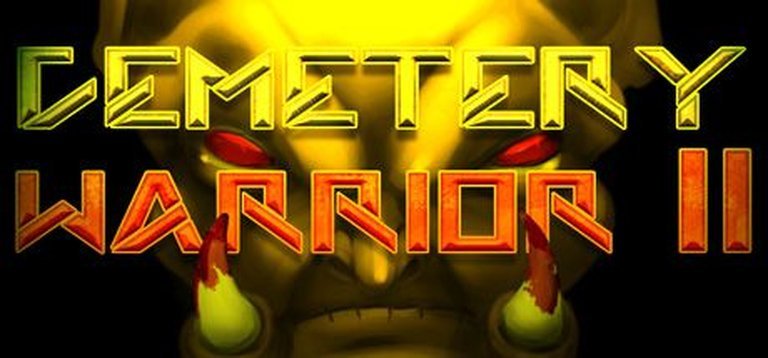
Cemetery Warrior II is a first‑person fantasy‑horror shooter set in a haunted graveyard. Players assume the role of a cemetery worker whose routine digging turns nightmarish when a vengeful power awakens twisted souls that rise from the tombstones, forcing the protagonist to battle hordes of grotesque enemies with a variety of weapons.
Gameplay Videos
Cemetery Warrior II: Review
Introduction
“Working in the graveyard, it is difficult to stay mentally balanced.”
The opening line of Cemetery Warrior II sets the tone for a game that blends first‑person shooter mechanics with a morbidly humorous horror premise. Developed by Falco Software and released on Windows in 2013 (later ported to macOS in 2014), the sequel builds upon its 2011 predecessor while aiming to refine the “classic” early‑2000s FPS formula. My thesis is simple: Cemetery Warrior II is an earnest, if rough‑around‑the‑edges, homage to the era of fast‑paced, gore‑laden shooters, offering a niche experience that appeals to fans of retro‑style horror action but struggles to transcend its technical limitations.
Development History & Context
Studio & Vision
Falco Software, an indie studio with a modest portfolio, entered the first‑person‑shooter market with the original Cemetery Warrior (2011). The sequel, Cemetery Warrior II, continued the studio’s self‑described mission to “improve and refine the classics of the 2000’s.” The developers emphasized “tons of enemies and weapons” and “even more blood,” clearly targeting players who cherish visceral combat over narrative depth.
Technological Constraints
The game runs on the Unity engine, a popular choice for indie developers due to its cross‑platform flexibility and relatively low barrier to entry. Unity’s 2013‑era toolset facilitated rapid prototyping but also imposed limitations on graphics fidelity, AI sophistication, and physics realism. Consequently, Cemetery Warrior II exhibits the characteristic “low‑poly” aesthetic and occasional performance hiccups typical of small‑team Unity projects from that period.
Market Landscape (2013‑2014)
When Cemetery Warrior II launched, the PC shooter space was dominated by AAA titles such as Call of Duty: Black Ops II and Titanfall, alongside a burgeoning indie scene (e.g., Superhot, Hard Corps). The horror‑shooter niche was populated by Dead Space (2008) and the emerging Amnesia series. Within this context, Falco Software positioned Cemetery Warrior II as a budget‑friendly, niche offering that capitalized on nostalgia for early‑2000s “run‑and‑gun” shooters while injecting a macabre setting.
Narrative & Thematic Deep Dive
Plot Overview
The player assumes the role of a cemetery caretaker who, after dismissing the spiritual significance of the dead, finds the graveyard besieged by grotesque, disfigured souls at sunset. The caretaker vows retaliation, “send[ing] you back to hell.” The story is delivered through a terse, first‑person narration that frames the cemetery as both workplace and battleground.
Characters & Dialogue
The protagonist is an unnamed, sardonic narrator—more a vehicle for dark humor than a fully fleshed character. The antagonists are the “souls of the dead,” rendered with distorted faces and supernatural abilities. Dialogue is minimal, consisting mainly of the caretaker’s monologues that juxtapose casual indifference with escalating desperation. This limited script aligns with the game’s focus on action over storytelling.
Themes
- Disrespect vs. Retribution: The caretaker’s initial contempt for the dead triggers a supernatural backlash, underscoring a moral undertone that disrespecting the dead incurs consequences.
- Isolation & Madness: Working “in the graveyard… difficult to stay mentally balanced” hints at psychological horror, though the gameplay leans heavily toward frantic combat.
- Gore as Spectacle: The emphasis on “more blood” reflects an intent to use visceral gore as a core aesthetic, reminiscent of classic horror shooters like Doom and Painkiller.
These themes are conveyed through repetitive enemy wave structures and environmental storytelling—each grave subtly suggests a backstory, encouraging players to imagine the lives behind the tombstones.
Gameplay Mechanics & Systems
Core Loop
Cemetery Warrior II follows the classic FPS loop:
1. Explore the cemetery’s open arenas.
2. Engage waves of supernatural enemies.
3. Collect weapons and ammunition scattered across the map.
4. Upgrade or switch firepower to survive increasingly difficult hordes.
The loop is designed for “exciting gameplay that will last,” as per the Steam store description.
Combat & Weaponry
- Weapons: The game boasts “tons of weapons,” ranging from pistols to shotguns and possibly experimental “holy” firearms, though specific stats are not documented in the source material.
- Enemy Variety: A “wide variety of creatures” appear, each with disfigured faces. The enemies likely differ in speed, health, and attack patterns, providing a modest level of tactical variation.
- Blood & Gore: Heavy visual emphasis on blood splatter and gore, reinforcing the horror atmosphere.
Character Progression
No explicit leveling or skill tree is mentioned, suggesting a static progression where the player relies on weapon pickups and perhaps limited health packs. The focus is on skillful shooting rather than RPG‑style growth.
UI & HUD
While the source material does not detail the UI, typical Unity FPS implementations of the era use a minimalist HUD: health bar, ammo count, and possibly a crosshair. The UI likely aids the fast‑paced combat but may lack polish.
Innovative or Flawed Systems
- Innovation: The integration of a cemetery setting with a horror narrative is relatively unique among indie FPS titles of the time.
- Flaws: Unity’s 2013 rendering pipeline could lead to low‑resolution textures and rudimentary lighting, detracting from immersion. Additionally, the reliance on wave‑based enemy spawns may feel repetitive without deeper AI or level design variety.
World‑Building, Art & Sound
Setting & Atmosphere
The game’s environment is a fantasy‑horror cemetery, rendered in 3D using Unity. The design likely includes gravestones, mausoleums, and foggy ambience to evoke a spooky mood. The setting serves both as a narrative catalyst and a spatial arena for combat.
Visual Direction
- Art Style: Low‑poly, stylized graphics that prioritize performance over realism. The “disfigured faces” of enemies provide a distinct visual signature.
- Color Palette: Predominantly dark, muted tones with splashes of bright blood to amplify the horror aesthetic.
Sound Design
The source material does not enumerate audio specifics, but typical horror shooters employ:
– Ambient sounds: wind, distant mournful bells, and rustling leaves.
– Combat cues: weapon discharge, enemy snarls, and visceral gore effects.
– Music: Likely a low‑tempo, ominous soundtrack that underscores tension.
Contribution to Experience
The combination of a claustrophobic cemetery, heavy gore, and unsettling enemy designs enhances the game’s horror vibe, even if technical limitations occasionally break immersion. The audio cues, though undocumented, presumably reinforce the sense of dread and urgency.
Reception & Legacy
Launch Reception
Official critic reviews are absent from the MobyGames database, and Metacritic shows no user reviews at the time of data capture. The scarcity of critical coverage suggests that Cemetery Warrior II flew under the radar of mainstream gaming media.
Commercial Performance
Price‑history data from IsThereAnyDeal and the Steam store listings indicate a modest, sustained presence on digital storefronts, typical for indie titles with niche appeal. The game’s “7.7” rating on Y8.com (a user‑generated platform) reflects a modestly positive reception among casual players.
Evolution of the Series
Cemetery Warrior II sits between the original 2011 release and Cemetery Warrior III (2014), forming part of a longer series that continued with Cemetery Warrior 4 (2019) and V (2021). The series’ persistence suggests a dedicated fan base that appreciates its “retro‑ish” shooter feel and horror themes.
Influence on the Industry
While the game did not spearhead new design trends, it contributed to the broader indie movement of reviving classic FPS mechanics with modern engines. Its use of Unity demonstrated the engine’s suitability for fast‑paced action horror, a path later followed by titles such as Doom (2016) (though on a larger scale).
Conclusion
Cemetery Warrior II is a faithful, if technically imperfect, love letter to early‑2000s horror shooters. Its straightforward FPS loop, abundant gore, and macabre setting deliver an experience that satisfies fans of fast, visceral combat. However, the game’s limited narrative depth, modest production values, and lack of innovative mechanics keep it firmly within the realm of niche indie fare.
Verdict: Cemetery Warrior II occupies a modest but distinct place in video‑game history—as a representative of indie developers leveraging Unity to revive classic shooter formulas and as a quirky, horror‑themed entry that, despite its shortcomings, remains an entertaining relic for enthusiasts of the genre.