
- Release Year: 2018
- Platforms: Windows
- Publisher: Digital Tribe Entertainment, Inc.
- Developer: InnerVoid Interactive Ltd.
- Genre: Simulation, Strategy, Tactics
- Perspective: Diagonal-down
- Game Mode: Single-player
- Gameplay: Business simulation, Managerial
- Setting: Contemporary
- Average Score: 72/100
Description
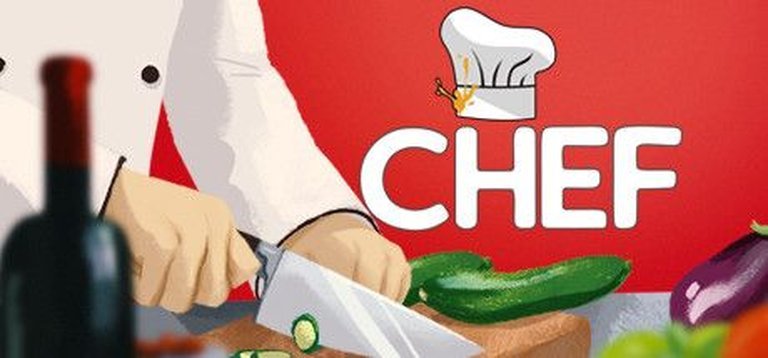
Chef: A Restaurant Tycoon Game is a simulation and strategy game where players create their own character, develop cooking skills, and manage a restaurant. The game allows for customization of restaurants, menu design, and recipe creation using a realistic editor, blending managerial tasks with culinary creativity in a contemporary setting.
Gameplay Videos
Where to Buy Chef: A Restaurant Tycoon Game
Chef: A Restaurant Tycoon Game Free Download
Chef: A Restaurant Tycoon Game Patches & Updates
Chef: A Restaurant Tycoon Game Mods
Chef: A Restaurant Tycoon Game Guides & Walkthroughs
Chef: A Restaurant Tycoon Game Reviews & Reception
opencritic.com : I think all of us can relate to having that one tycoon game that left us staring at a screen for hours, completely unaware of the time passing.
store.steampowered.com (72/100): Mostly Positive (72% of the 1,371 user reviews for this game are positive).
gamingrespawn.com : Chef: A Restaurant Tycoon Game allows players to completely customise their experience in restaurant management.
steambase.io (73/100): Chef: A Restaurant Tycoon Game has earned a Player Score of 73 / 100.
Chef: A Restaurant Tycoon Game: A Deep Dive into Culinary Management
Introduction: The Allure of the Kitchen Empire
Few genres in gaming capture the imagination quite like the tycoon simulator. Whether it’s building theme parks, managing cities, or running hospitals, there’s an undeniable appeal to creating something from nothing and watching it thrive—or spectacularly collapse. Chef: A Restaurant Tycoon Game, developed by InnerVoid Interactive and published by Digital Tribe, taps into this fascination by placing players in the high-pressure, high-reward world of restaurant management. Released in Early Access on December 6, 2018, and fully launched on August 20, 2020, Chef promises a sandbox experience where culinary creativity meets business acumen.
At its core, Chef is a game about ambition. It invites players to step into the shoes of an aspiring restaurateur, tasked with transforming a modest eatery into a gastronomic empire. The game’s hook lies in its dual focus: it’s as much about the art of cooking as it is about the science of management. Players must balance the creative freedom of crafting unique recipes with the cold, hard realities of budgeting, staffing, and customer satisfaction. This tension between creativity and pragmatism is where Chef shines—and where it occasionally stumbles.
The legacy of Chef is still being written. As a relatively recent entry in the tycoon genre, it doesn’t yet have the historical weight of classics like RollerCoaster Tycoon or Theme Hospital. However, its niche focus on restaurant management sets it apart in a crowded field. The game’s Early Access journey, marked by frequent updates and community engagement, reflects a modern approach to game development, where player feedback shapes the final product. This review will explore whether Chef succeeds in delivering a compelling, cohesive experience or if it remains a work in progress, struggling to find its footing.
Thesis: Chef: A Restaurant Tycoon Game is an ambitious and deeply customizable restaurant simulator that offers a unique blend of culinary creativity and business management. While its depth and attention to detail are commendable, the game is held back by technical issues, uneven pacing, and a lack of polish that prevent it from reaching its full potential. Despite these flaws, it carves out a distinct niche in the tycoon genre, appealing to players who crave both creative expression and strategic challenge.
Development History & Context: The Birth of a Culinary Dream
The Studio Behind the Stove: InnerVoid Interactive
InnerVoid Interactive, the Rome-based studio behind Chef, is a relatively small but passionate team with a clear vision for narrative-driven, player-centric experiences. Founded in 2013, the studio’s previous work includes ICY: Frostbite Edition, a post-apocalyptic survival RPG that emphasized storytelling and player choice. This background in narrative-driven design is evident in Chef, where the emergent stories of customer interactions and restaurant growth take center stage.
The studio’s philosophy revolves around giving players the tools to craft their own stories. In Chef, this translates to an open-ended sandbox where the player’s choices—from menu design to staff hiring—shape the restaurant’s identity and success. InnerVoid’s commitment to player agency is further reflected in the game’s modding support, which allows the community to expand and refine the experience long after launch.
Digital Tribe: The Publisher’s Role
Digital Tribe, the game’s publisher, is an experienced video game accelerator that specializes in supporting independent developers. Their portfolio includes a diverse range of titles, from narrative-driven adventures to simulation games. Digital Tribe’s involvement in Chef was crucial in providing the resources and marketing support needed to bring InnerVoid’s vision to a wider audience.
The publisher’s hands-on approach is evident in the game’s localized versions, which include support for multiple languages, and their efforts to promote Chef through platforms like Steam. Digital Tribe’s emphasis on a “customized approach” for each project aligns well with InnerVoid’s player-first design philosophy, ensuring that Chef retained its unique identity while benefiting from professional polish.
Technological Constraints and the Unity Engine
Chef was built using the Unity engine, a popular choice for indie developers due to its flexibility and accessibility. Unity’s strengths lie in its cross-platform capabilities and robust toolset, which allowed InnerVoid to focus on gameplay mechanics and content rather than engine development. However, the choice of Unity also introduced some limitations, particularly in terms of performance optimization and graphical fidelity.
The game’s isometric, diagonal-down perspective is a nod to classic tycoon games, but it also reflects the constraints of the engine and the studio’s resources. While this perspective works well for management simulations, it occasionally leads to visual clutter, especially in larger restaurants where staff and customers can become difficult to track. The fixed/flip-screen visual style, while functional, lacks the dynamic camera angles seen in more modern tycoon games, which can make the experience feel somewhat static.
The Gaming Landscape at Launch
Chef entered a gaming market that was already saturated with management simulators, from Two Point Hospital to Parkitect. However, its focus on restaurant management was a relatively untapped niche, with few direct competitors. Games like Cook, Serve, Delicious! and Overcooked! had explored the chaos of kitchen management, but Chef distinguished itself by emphasizing the business side of running a restaurant, rather than just the cooking.
The game’s Early Access release in December 2018 was strategically timed to coincide with the holiday season, capitalizing on the influx of gamers looking for new experiences. The decision to launch in Early Access was a double-edged sword: it allowed InnerVoid to gather valuable player feedback and iterate on the game’s design, but it also meant that Chef was released in an unfinished state, with some mechanics still rough around the edges.
The Evolution of Chef in Early Access
The Early Access period was a defining chapter in Chef’s development. InnerVoid’s commitment to transparency and community engagement was evident in their frequent updates, which addressed bugs, added new features, and refined existing systems. Key additions during this period included:
- Expanded Skill Trees: The initial release featured a limited set of chef skills, but updates introduced more depth, allowing players to specialize in areas like vegetarian cuisine, gourmet dining, or fast food.
- Multi-Restaurant Management: One of the most requested features, the ability to own and manage multiple restaurants, was added later in development, significantly expanding the game’s scope.
- Enhanced Recipe Editor: The recipe creation system was refined to be more intuitive, with better feedback on how ingredient choices affect dish quality.
- Modding Support: The introduction of modding tools allowed the community to create custom content, from new recipes to additional decor options.
Despite these improvements, the Early Access period also highlighted some of the game’s persistent issues, particularly in terms of performance and AI pathfinding. Staff getting stuck in walls or failing to perform their duties remained a common complaint, even after the full release.
Narrative & Thematic Deep Dive: The Story of Your Restaurant
Plot: Emergent Narrative in a Sandbox World
Chef is not a game with a traditional, linear narrative. Instead, it relies on emergent storytelling, where the player’s choices and the game’s systems combine to create unique experiences. The “plot” of Chef is the story of your restaurant’s rise (or fall), shaped by every decision you make, from the dishes you serve to the customers you attract.
The game begins with a humble setup: you create your chef avatar, choose a starting restaurant, and embark on the journey of building your culinary empire. There’s no overarching story or scripted events, but the game does feature hundreds of minor storylines and customer interactions that add flavor to the experience. For example, a customer might leave a glowing review after trying your signature dish, or a health inspector might visit unannounced, forcing you to scramble to improve your restaurant’s cleanliness.
These emergent narratives are where Chef shines. The game’s systems are designed to react to your choices, creating a dynamic world where your restaurant’s reputation, customer base, and financial success are all interconnected. A decision to specialize in gourmet cuisine, for instance, will attract high-paying food enthusiasts but may alienate budget-conscious diners. Conversely, focusing on fast, cheap meals might fill your restaurant but at the cost of lower profits and a less prestigious reputation.
Characters: The Patrons and the Staff
The characters in Chef fall into two broad categories: customers and staff. Neither group is deeply developed in terms of personality or backstory, but they serve as the lifeblood of your restaurant, driving the game’s emergent narratives.
Customers are the most visible characters in Chef, and their diversity is one of the game’s strengths. Each customer belongs to a specific demographic, such as “Food Enthusiasts,” “Cheapskates,” or “Lower Class Families,” and their preferences shape how they interact with your restaurant. Food Enthusiasts, for example, care deeply about the quality of the food and are willing to pay premium prices, while Cheapskates are more concerned with affordability and may leave negative reviews if they feel overcharged.
The game’s customer feedback system is one of its most engaging features. After dining, customers leave detailed reviews, rating your restaurant on four key metrics: Service, Food Quality, Price, and Atmosphere. These reviews are not just numerical scores; they include written comments that provide context for the ratings. A customer might praise your “delicious pasta” but complain about the “slow service,” giving you specific feedback on where to improve. This level of detail makes the customers feel like real people with genuine opinions, rather than just abstract metrics.
Staff, on the other hand, are less developed but no less important. You’ll hire chefs, waiters, and cleaners, each with their own stats and specialties. Chefs, for instance, have attributes like Speed and Food Quality Bonus, while waiters specialize in tasks like greeting, serving, or billing. The staff’s performance directly impacts your restaurant’s efficiency, and managing them effectively is key to success.
One of the game’s missed opportunities is the lack of deeper character development for staff. Unlike games like Two Point Hospital, where staff members have distinct personalities and quirks, Chef’s employees are largely interchangeable, defined only by their stats. This makes them feel more like cogs in a machine than living, breathing parts of your restaurant’s story.
Dialogue and Writing: The Voice of the Restaurant
Chef’s writing is functional rather than flourishing. The game’s dialogue, which appears primarily in customer reviews and staff interactions, is clear and informative but lacks the wit and charm of other tycoon games. Customer comments, while detailed, can become repetitive over time, with similar phrases appearing frequently.
That said, the writing does an admirable job of conveying the game’s themes. The customer reviews, in particular, reinforce the idea that running a restaurant is a balancing act. A review that praises your “cozy atmosphere” but criticizes the “high prices” encapsulates the tension between creating a pleasant dining experience and maintaining profitability. Similarly, a chef’s complaint about “overworked staff” highlights the human cost of cutting corners to save money.
Themes: The Business and Art of Food
At its heart, Chef is a game about the intersection of art and commerce. The central theme is the struggle to reconcile creative passion with financial pragmatism. Do you pursue your dream of running a high-end gourmet restaurant, even if it means higher costs and a smaller customer base? Or do you opt for a more commercial approach, sacrificing culinary ambition for steady profits?
This theme is reinforced by the game’s mechanics. The recipe editor, for example, allows for near-limitless creativity, letting you experiment with ingredients and cooking styles to create unique dishes. However, the game also forces you to consider the practical implications of your choices. A dish that’s too expensive to produce or too time-consuming to cook may not be viable in a busy restaurant, no matter how delicious it is.
Another key theme is reputation and legacy. Your restaurant’s success isn’t just measured in dollars and cents; it’s also about the reputation you build. A five-star rating from a Food Enthusiast carries more weight than a dozen positive reviews from Cheapskates, and the game encourages you to cultivate a clientele that aligns with your restaurant’s identity. This emphasis on reputation adds a layer of depth to the gameplay, as you must decide whether to chase prestige or prioritize accessibility.
Finally, Chef touches on the theme of community and influence. The game’s “Influence Points” system allows you to expand your restaurant’s reach into neighboring areas, attracting new customers and shaping the local dining scene. This mechanic reinforces the idea that a restaurant is more than just a business—it’s a part of the community, with the power to influence trends and tastes.
Gameplay Mechanics & Systems: The Nuts and Bolts of Restaurant Management
Core Gameplay Loop: From Humble Beginnings to Culinary Empire
Chef’s gameplay revolves around a central loop: design, manage, and expand. The game begins with the creation of your restaurant, where you choose everything from the floor plan to the menu. Once open, you must manage daily operations, balancing customer satisfaction with financial viability. As your restaurant grows, you’ll expand into new locations, refine your menu, and build your reputation.
The loop is divided into several key phases:
- Setup: Choose your starting restaurant, customize its layout, and design your initial menu.
- Management: Hire staff, set policies (like cleanliness standards), and adjust prices based on customer feedback.
- Operation: Oversee the day-to-day running of the restaurant, ensuring that food is cooked on time, customers are served promptly, and the dining area remains clean.
- Expansion: Use profits to upgrade equipment, unlock new ingredients, and expand into new locations.
This loop is engaging at first, but it can become repetitive over time. The lack of scripted events or major milestones means that progression often feels incremental, with success measured in small improvements rather than dramatic leaps.
Restaurant Customization: Building Your Dream Eatery
One of Chef’s strongest features is its deep customization system. Players have an unprecedented level of control over their restaurant’s design, from the layout of the kitchen to the decor of the dining area.
- Kitchen Layout: The kitchen is the heart of your restaurant, and its design has a direct impact on efficiency. You’ll place prep tables, stoves, fryers, and other equipment, ensuring that chefs can move freely and cook dishes without bottlenecks. Poor kitchen design can lead to long wait times and unhappy customers, so this aspect of the game requires careful planning.
- Dining Area: The dining area is where customers experience your restaurant, and its design affects their satisfaction. You’ll choose tables, chairs, and decorations, balancing aesthetics with functionality. For example, round tables take up more space than rectangular ones, reducing the number of customers you can serve at once.
- Menu Design: The menu is where your culinary creativity shines. You can choose from pre-made recipes or create your own using the game’s recipe editor. The editor is surprisingly deep, allowing you to mix ingredients, adjust cooking times, and fine-tune flavors. However, it’s also one of the game’s most complex systems, with a steep learning curve.
The customization options are impressive, but they can also be overwhelming. The game’s tutorial does a decent job of introducing these systems, but some mechanics—like the recipe editor—require experimentation to master.
Staff Management: The Backbone of Your Restaurant
Hiring and managing staff is a critical part of Chef’s gameplay. Your restaurant’s success depends on the performance of your chefs, waiters, and cleaners, and finding the right balance between cost and efficiency is key.
- Chefs: Chefs are responsible for cooking dishes, and their stats—such as Speed and Food Quality Bonus—directly impact your restaurant’s performance. A fast chef can handle more orders, while a chef with a high Food Quality Bonus will produce better-tasting dishes. However, better chefs are more expensive, so you’ll need to weigh the benefits against the cost.
- Waiters: Waiters handle greeting, serving, and billing. Their efficiency affects how quickly customers are seated, served, and billed, which in turn impacts table turnover and profits. Waiters can be specialized in different tasks, but they’ll still perform all duties as needed.
- Cleaners: Cleaners maintain the restaurant’s cleanliness, which affects the Atmosphere rating. A dirty restaurant will drive away customers, so it’s important to invest in cleaning staff or policies.
One of the biggest challenges in staff management is dealing with the game’s AI pathfinding issues. Staff members frequently get stuck on objects or fail to perform their duties, requiring manual intervention. This can be frustrating, especially during busy periods when every second counts.
Customer Satisfaction: The Key to Success
Customer satisfaction is the linchpin of Chef’s gameplay. Every customer rates your restaurant on four metrics:
- Service: How quickly and efficiently customers are greeted, served, and billed.
- Food Quality: The taste and presentation of the dishes.
- Price: Whether customers feel they’re getting good value for their money.
- Atmosphere: The cleanliness and ambiance of the restaurant.
These ratings are averaged to produce an overall score, which affects your restaurant’s reputation and profitability. High ratings attract more customers and allow you to charge higher prices, while low ratings can lead to a downward spiral of fewer customers and lower profits.
Balancing these metrics is one of the game’s biggest challenges. For example, improving Food Quality might require hiring better chefs or using more expensive ingredients, which increases costs and could negatively impact the Price rating. Similarly, investing in Atmosphere by hiring more cleaners or upgrading decor can eat into profits, making it harder to afford other improvements.
Economy and Progression: The Business of Food
Chef’s economic system is designed to be realistic, if sometimes punishing. Money is tight in the early game, and poor financial decisions can lead to bankruptcy. Key economic mechanics include:
- Ingredient Costs: Ingredients have varying costs, and some dishes are more expensive to produce than others. It’s important to price dishes appropriately to ensure a profit.
- Staff Salaries: Staff must be paid regularly, and their salaries can quickly eat into profits if you’re not careful.
- Rent and Utilities: Your restaurant has ongoing expenses, including rent, cleaning costs, and equipment maintenance.
- Customer Spending: Customers have different budgets, and pricing dishes too high can drive away certain demographics.
Progression in Chef is tied to your restaurant’s reputation and profitability. As you earn more money, you can upgrade equipment, unlock new ingredients, and expand into new locations. The game also features a Chef Level system, where you earn experience points by cooking dishes and completing challenges. Leveling up unlocks new skills and abilities, such as faster cooking times or better ingredient quality.
Influence Points and Expansion: Building Your Empire
The Influence Points system is one of Chef’s more unique mechanics. As your restaurant gains popularity, you’ll earn Influence Points, which can be spent to expand your influence into neighboring areas. This allows you to attract new customer demographics and increase your restaurant’s reach.
Expanding your influence is a double-edged sword. On one hand, it can bring in more customers and higher profits. On the other, it can also attract less desirable demographics, such as Cheapskates, who may drive down your ratings. Managing your influence carefully is key to maintaining a balanced customer base.
World-Building, Art & Sound: Crafting the Restaurant Experience
Setting and Atmosphere: A Contemporary Culinary World
Chef is set in a contemporary, urban environment, with a focus on realism rather than fantasy. The game’s world is divided into distinct neighborhoods, each with its own customer demographics and challenges. For example, a wealthy neighborhood might have more Food Enthusiasts, while a working-class area might attract Lower Class Families.
The game’s atmosphere is shaped by the player’s choices. A high-end gourmet restaurant will have a different feel than a fast-food joint, and the decor, music, and even the staff’s uniforms contribute to this. However, the game’s visual style—with its isometric perspective and fixed camera—can sometimes make it difficult to appreciate the atmosphere fully. The lack of dynamic lighting or detailed animations means that the world can feel somewhat static.
Visual Design: Functional but Uninspired
Chef’s visual design is functional but not particularly striking. The game’s isometric perspective is a nod to classic tycoon games, but it also feels dated compared to more modern titles. The character models are simple, with limited animations, and the environments lack the detail and polish seen in other simulators.
That said, the visual design serves its purpose. The color-coded customer demographics make it easy to identify different types of patrons, and the kitchen equipment is clearly labeled, allowing for efficient management. The game’s UI is also well-designed, with intuitive menus and tooltips that provide useful information.
One area where the visual design falls short is in the dining area. Tables and decorations are largely interchangeable, with little visual variety. This can make it difficult to create a restaurant with a distinct identity, as the options for customization are limited.
Sound Design: The Sounds of the Kitchen
The sound design in Chef is understated but effective. The game features ambient sounds like sizzling pans, clinking dishes, and customer chatter, which help to create a lively restaurant atmosphere. The background music is minimal, with a few looping tracks that play during gameplay. While not particularly memorable, the music doesn’t detract from the experience.
One of the game’s strengths is its use of sound to convey information. For example, the sound of a customer complaining can alert you to a problem before you even check the reviews. Similarly, the sound of a dish being cooked can help you track the kitchen’s progress.
However, the sound design is not without its issues. The lack of voice acting means that customer interactions can feel impersonal, and the repetitive nature of the ambient sounds can become grating over time.
Reception & Legacy: A Mixed but Promising Reception
Critical Reception: A Work in Progress
Chef’s reception has been mixed, with critics and players praising its depth and customization while criticizing its technical issues and lack of polish. On Steam, the game holds a “Mostly Positive” rating, with 72% of reviews being positive. Many players appreciate the game’s ambitious scope and the freedom it offers, but others feel that it falls short of its potential due to bugs and repetitive gameplay.
Critics have highlighted the game’s emergent storytelling and deep customization as standout features. The ability to create your own recipes and design your restaurant from the ground up has been particularly well-received. However, the game’s technical issues—such as staff getting stuck or customers behaving unpredictably—have been a common point of frustration.
Commercial Performance: A Niche Success
Chef has found a niche audience among fans of management simulators and cooking games. While it hasn’t achieved mainstream success, it has cultivated a dedicated community of players who appreciate its unique blend of creativity and strategy. The game’s modding support has also helped to extend its lifespan, with players creating custom content that adds new recipes, decor, and gameplay mechanics.
The game’s price point—$19.99 on Steam—has been a point of contention for some players, who feel that the game’s technical issues and lack of polish don’t justify the cost. However, others argue that the depth of the gameplay and the frequent updates make it a worthwhile investment.
Legacy and Influence: A New Recipe for Tycoon Games
Chef’s legacy is still being written, but it has already made an impact on the tycoon genre. Its focus on restaurant management—a relatively untapped niche—has inspired other developers to explore similar themes. Games like TasteMaker and Restaurant Solitaire owe a debt to Chef’s innovative approach to culinary simulation.
The game’s emphasis on player agency and emergent storytelling has also influenced the broader tycoon genre. By giving players the tools to craft their own narratives, Chef has shown that management simulators can be more than just spreadsheets—they can be platforms for creativity and self-expression.
However, Chef’s technical issues and uneven pacing serve as a cautionary tale for other developers. The game’s Early Access journey highlights the challenges of balancing ambition with execution, and it underscores the importance of polish and player feedback in creating a successful tycoon game.
Conclusion: A Flavorful but Flawed Culinary Experience
Chef: A Restaurant Tycoon Game is a bold and ambitious entry in the tycoon genre, offering a unique blend of culinary creativity and business management. Its deep customization systems, emergent storytelling, and focus on player agency make it a standout experience for fans of management simulators. The ability to design your own recipes, shape your restaurant’s identity, and build a culinary empire is both engaging and rewarding.
However, the game is not without its flaws. Technical issues, such as staff pathfinding problems and occasional bugs, detract from the experience and can lead to frustration. The lack of polish in some areas—particularly the visual design and sound—makes the game feel less refined than its competitors. Additionally, the repetitive nature of the gameplay loop can make progression feel slow, especially in the later stages.
Despite these shortcomings, Chef carves out a distinct niche in the tycoon genre. Its focus on restaurant management, combined with its deep customization and emergent narratives, makes it a compelling experience for players who enjoy both creative expression and strategic challenge. While it may not be the most polished or visually impressive tycoon game on the market, it offers a level of depth and player freedom that is rare in the genre.
Final Verdict: Chef: A Restaurant Tycoon Game is a flavorful but flawed culinary experience. It’s a game with immense potential, held back by technical issues and a lack of polish. For players who are willing to overlook its rough edges, it offers a uniquely rewarding blend of creativity and strategy. However, those looking for a more refined or visually impressive experience may find it lacking. Ultimately, Chef is a game that rewards patience and experimentation, and it stands as a testament to the power of player agency in the tycoon genre.
Score: 7.5/10 – A promising but imperfect dish that could use a little more seasoning.