
- Release Year: 2017
- Platforms: Macintosh, Nintendo Switch, PlayStation 4, Windows Apps, Windows, Xbox One
- Publisher: Cardboard Utopia, CIRCLE Entertainment Ltd., Plug In Digital SAS, Red Art Games, Square Enix Co., Ltd.
- Developer: Cardboard Utopia
- Genre: Role-playing (RPG)
- Perspective: Diagonal-down
- Game Mode: Single-player
- Gameplay: Tactical RPG
- Setting: Fantasy
- Average Score: 80/100
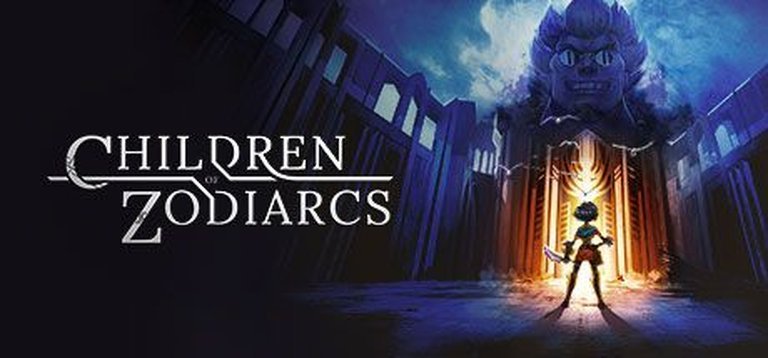
Description
Children of Zodiarcs is a turn-based tactical RPG set in a fantasy world, featuring diagonal-down perspective gameplay where players command a group of young heroes in strategic battles blending role-playing elements with tactical decision-making and elements of chance. Developed by Cardboard Utopia as a successful Kickstarter project and published by Square Enix and others, the game launched in 2017 on Windows and expanded to PlayStation 4, Macintosh, Xbox One, Nintendo Switch, and more.
Gameplay Videos
Where to Buy Children of Zodiarcs
Children of Zodiarcs Free Download
Children of Zodiarcs Cracks & Fixes
Children of Zodiarcs Guides & Walkthroughs
Children of Zodiarcs Reviews & Reception
metacritic.com (81/100): Despite the sometimes unbalanced challenge it presents, Children of Zodiarcs is a brilliant tribute to tactical RPGs of old, with the tabletop elements adding a fresh and engaging twist to the beloved genre.
opencritic.com (79/100): An in depth RPG that brings together the best mediums within the genre.
entertainment-focus.com : In general the plot is dramatic, engrossing and is laced with humour, the world of Nahmi and her friends is fleshed out consistently and by the end you really do care what happens to them.
theouterhaven.net : All in all, Children of the Zodiarcs is a handsome merging of two beloved game types and one that manages to capture the best of them.
rotorob.com : While the actual story of the game leaves a little to be desired, the characters end up shining.
Children of Zodiarcs: Review
Introduction
In the shadowed underbelly of Lumus, where glittering spires of noble excess loom over festering slums teeming with desperate orphans and cannibal clans, a ragtag band of thieves dares to steal from the untouchable elite—only to unleash a cascade of betrayal, survival, and bittersweet redemption. Children of Zodiarcs (2017), the debut from Montreal’s Cardboard Utopia, captures this gritty fantasy heist gone wrong with a tactical RPG that fuses classic grid-based strategy with deck-building cards and physics-based dice rolls. Born from a successful Kickstarter under Square Enix Collective, it evokes the pixelated nostalgia of Final Fantasy Tactics and Fire Emblem while injecting tabletop chaos à la Magic: The Gathering meets Yahtzee. My thesis: This is a bold indie triumph that innovates on tactical RPG conventions, delivering addictive combat loops and a poignant class-warfare narrative, though uneven difficulty and grindy progression temper its greatness—cementing it as a cult gem for genre enthusiasts rather than a mainstream classic.
Development History & Context
Cardboard Utopia, founded in 2014 amid Montreal’s thriving indie scene (the “game development capital of Canada”), assembled a team of AAA veterans including credits from Eternal Darkness, Assassin’s Creed Brotherhood, The Warriors, and Far Cry 3. Creative Director Jason Kim (“Mr. Muscles”), Design Director Samuel Daher, and Lead Programmer Denis Dufour spearheaded a vision to blend nostalgic 16/32-bit SRPGs with modern deck- and dice-building mechanics, drawing explicit inspiration from Shining Force, Vandal Hearts, and board games. The studio’s ethos—crafting “engaging experiences through technical game design” and emotionally resonant stories—shined through, as evidenced by Writer Damian Ebanks (“Sexy Dynamite”) and Art Director Erica L.
Funded via a wildly successful Square Enix Collective Kickstarter (part of their crowdfunding initiative for innovative titles), Children of Zodiarcs launched July 18, 2017, on PC (Steam) and PS4, powered by Unity engine for cross-platform feasibility. This era’s indie boom—post-Banner Saga (2014) and amid XCOM 2 (2016)—saw tactical RPGs resurging via digital stores, but constraints like small-team scope (170 credits, mostly devs) limited scope to ~20 story missions plus skirmishes. Technological limits (e.g., physics-based dice on modest hardware) forced smart compromises, like auto-deckbuilding and re-rolls to mitigate RNG frustration. Amid a landscape dominated by AAA open-world epics (The Legend of Zelda: Breath of the Wild), it carved a niche as a “passion project” rewarding backers with multilingual support (achievements unlocked Spanish translation) and ports to Mac (2018), Xbox One/Switch (2020), proving post-launch viability despite no patches noted.
Narrative & Thematic Deep Dive
Plot Summary and Structure
The tale unfolds in Torus, capital of the Torian Empire in the crapsack world of Lumus—a fantasy realm stratified by Zodiarcs, ancient Herald-forged machines powered by wielders’ inflamed emotions (Artifact Domination, Psychoactive Powers). Protagonist Nahmi, a stolen child-thief hardened by slums, leads orphans Brice, Pester, and Argon in heisting a relic from corrupt noble Lord Zulta. Caught mid-theft, they’re hounded through palaces, rooftops, slums, catacombs, and cannibal-infested sewers by guards, rival gangs (led by charismatic bandit-father Zirchhoff), and psychotic underworld families. What begins as a socio-political heist spirals into rebellion: betrayals fracture the group (e.g., Brice’s Friend-or-Idol Decision to sell Xero, a non-human child-like ally, leading to Nahmi killing him), Zodiarcs corrupt users, and no one escapes unscathed in a Bittersweet Ending—Nahmi and Xero flee to the coast, but comrades perish (Yank the Dog’s Chain via Pester’s near-escape side-mission).
Twenty linear stages interweave story vignettes, dialogue trees, and skirmishes, punctuated by gory discretion shots (e.g., Zirchhoff’s white-screen kill of Zulta) and Would Hurt a Child horrors underscoring Lumus’s brutality.
Characters and Dialogue
Nahmi anchors as a vengeful underdog, her arc from naive thief to sparing mentor Zirchhoff (Because You Were Nice to Me) humanizing her. Brice’s street-hardened cynicism clashes dynamically; Zirchhoff’s orphan-exploiting charisma adds moral grayness. Supporting cast—Pester, Argon, Xero (What Measure Is a Non-Human?)—flesh out “familial bonds” amid rebellion. Dialogue crackles with humor, orphan banter, and socio-political bite: poverty’s desperation vs. elite ruthlessness, laced with replayable choices (e.g., sparing foes unlocks perspectives).
Themes
Children of Zodiarcs masterfully dissects class warfare (downtrodden vs. profit-obsessed nobles), corruption (Zodiarcs amplify passions destructively), and survival’s cost (abandonment, betrayal, humanity’s erosion). It’s a “harrowing tale of the downtrodden,” critiquing systems where children are cannon fodder, blending JRPG drama with Western grit—engrossing yet repetitive in places, per critics.
Gameplay Mechanics & Systems
Core Loops and Combat
Turn-based tactical grid combat (diagonal-down perspective) limits parties to 3-4 characters, emphasizing positioning, environment exploitation (e.g., high ground), and escape objectives. Core innovation: Combat Cards + Dice. Each hero’s customizable deck (attacks, heals, supports) dictates actions—draw 4/hand, play one post-movement. Post-play, roll 4-6 physics-simulated six-sided dice (symbols: shields/lightning/cards/gems/stars for bonuses; red subtracts power). Re-roll up to 2 dice; craft/equip custom dice (favor offense/heals) between battles. No classes/items/skills—progression auto-upgrades cards/dice via XP (earned per-turn, levels mid-battle).
Loops: Story push > tough battle > skirmish grind > deck/dice tweak > retry. UI is intuitive (deck viewer, dice preview), with speed-up for enemy turns, though analog-stick rolling irks (auto-roll option).
Progression and Innovations/Flaws
Linear leveling (100 XP/level boosts stats, unlocks cards) enables role-flex (Nahmi: stealth-DPS; supports via Shroud). Skirmishes/Arena unlock post-story for carryover gear. Innovations shine: Dice gambler’s rush mirrors real battle luck; per-character decks avoid rigid classes; endless replay via RNG/strategy.
Flaws mar: Brutal AI spikes (Normal feels Hard), overwhelming enemy waves (3v15+), grindy skirmishes (tedious, low XP), no speed-up for your dice/all animations. Short campaign (~10-20 hours) pads via repeats; camera obstructs in cluttered maps.
| Mechanic | Strength | Weakness |
|---|---|---|
| Cards | Flexible roles, auto-upgrade | Limited deck size tweaks |
| Dice | Tense modifiers, crafting depth | RNG frustration, slow rolls |
| Progression | Mid-battle levels | Grind-heavy, linear |
| UI | Clean, customizable | No full speed-up |
World-Building, Art & Sound
Lumus/Torus pulses with atmospheric dichotomy: opulent palaces (gilded halls) contrast seamy slums/sewers (cannibal pits, sunless underworld). Grid maps evoke FFT—rooftops, catacombs—immersive via destructible elements, though variety lacks (recycled urban verticality).
Visuals: Cartoonish 2D portraits (charming, detailed) pair with blocky 3D models/animations (basic, clipping issues). Colorful stages (palace/street highs) suit isometric view, but camera rotation frustrates. Unity polish holds on low-spec (Core 2 Duo min).
Sound: Award-winning Vibe Avenue orchestral score captures SRPG epics—rousing themes per area (slums tense, palaces dramatic), emotive plot swells. Crunchy SFX (dice clatter tactile) enhance; voice absent, text dialogue suffices. Atmosphere: Claustrophobic dread amplifies themes, immersive despite brevity.
Reception & Legacy
Launched to solid critical acclaim (MobyGames 7.4/10, #8,699/27K; PS4 80%, OpenCritic 79th percentile; Metacritic PS4 81). Highs: WCCFtech/PSU (85%: “passion/innovation”), God is a Geek (10/10: “best mediums”). Lows: Video Chums (69%: “noble but short of predecessors”), RPG Site (70%: “nostalgia not fully achieved”). Players mixed (3.5/5, Metacritic 6.0: grind/AI gripes vs. “emotional story”).
Commercially niche ($17.99 launch, now $4.49 sales), 37 collectors (Moby), “Mostly Positive” Steam (524 reviews). Reputation evolved positively—ports boosted Switch/Xbox accessibility; hailed as “bargain SRPG” with skirmish replayability (20-30 hours). Influence: Pioneered dice-deck tactics (echoed in Slay the Spire hybrids, Children of Morta roguelikes); inspired indies blending tabletop/RPG (Ash of Gods). No direct sequels, but Cardboard Utopia’s pedigree suggests future; cult status in tactical niche, cited academically (Moby’s 1,000+ citations).
Conclusion
Children of Zodiarcs masterfully synthesizes tactical RPG heritage with dice-card ingenuity, crafting a tense, thematic heist saga where underdogs defy a merciless world—bolstered by evocative art/sound and deep customization. Yet, punishing AI, grind, and brevity prevent transcendence, frustrating casuals while delighting strategists. As a 2017 indie milestone, it earns a firm 8/10: Not a genre-redefining titan like FFT, but an essential, influential underdog in video game history—proof crowdfunding births gems that honor classics while daring innovation. Play for the rolls that thrill, stay for the rebellion that resonates.