
- Release Year: 2014
- Platforms: OOParts, Windows
- Publisher: MangaGamer.com, Overdrive
- Developer: Overdrive
- Genre: Adventure
- Perspective: 1st-person
- Game Mode: Single-player
- Gameplay: Visual novel
- Average Score: 92/100
Description
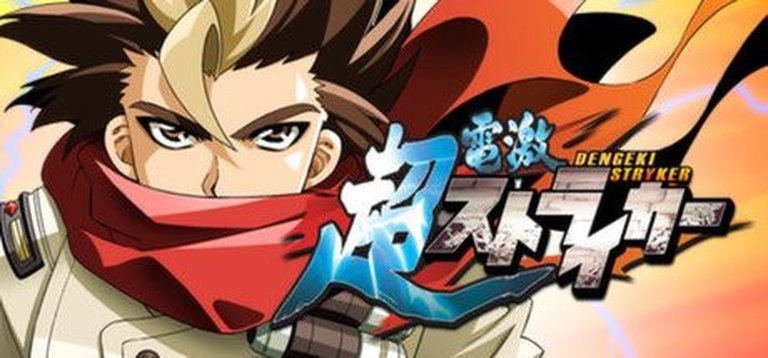
Cho Dengeki Stryker: All Ages Version is a visual novel adventure where Yuuki Yamato, a boy who idolizes superheroes, fails to protect his best friend Haruna from bullies and, in despair after she moves away, wishes to become his favorite hero, Dengeki Stryker, via a mysterious Memory Collector. Years later, in the city where Haruna lives, he rises as a hero-like figure to combat an invading army of cyborgs from the Balbora Empire, delivering 30-50 hours of engaging storyline with anime-style visuals, animated cutscenes by Silver Link, and a theme song by JAM Project.
Gameplay Videos
Where to Buy Cho Dengeki Stryker: All Ages Version
PC
Cho Dengeki Stryker: All Ages Version Cracks & Fixes
Cho Dengeki Stryker: All Ages Version Reviews & Reception
natalie.tf : derivative characters that had me groaning as I drudged through the dull story.
gameramble.com (90/100): a visual novel that is packed to the brim with great visuals, awesome audio and an engaging storyline.
Cho Dengeki Stryker: All Ages Version: Review
Introduction
Imagine a world where the boundless heroism of your childhood comic books collides head-on with the harsh realities of regret, identity loss, and mechanical apocalypse—a visual novel that transforms the bombastic spectacle of sentai shows and shonen manga into a deeply personal odyssey of sacrifice and redemption. Cho Dengeki Stryker: All Ages Version, released in 2014 by MangaGamer for PC, stands as Overdrive’s crowning achievement in the visual novel genre, expanding on the 2011 original Dengeki Stryker with additional routes that elevate it from a solid superhero tale to an epic of multifaceted emotional resonance. As a game historian chronicling the evolution of Japanese visual novels from niche eroge to globally accessible narratives, I posit that this title is a pivotal work: it masterfully subverts superhero clichés through themes of memory and mortality, delivering 30-50 hours of replayable content that rivals Western interactive fiction in depth while retaining the kinetic allure of anime storytelling. In an era dominated by choice-heavy RPGs, Cho Dengeki Stryker proves the power of narrative-driven “games” to electrify the soul.
Development History & Context
Overdrive, founded in 2004, emerged as a boutique Japanese developer specializing in high-production visual novels with intricate branching narratives and multimedia flair, often blending romance, drama, and speculative fiction. Prior to Dengeki Stryker, the studio had honed its craft with titles like Eden (2006), emphasizing lush visuals and emotional gut-punches. Dengeki Stryker launched on May 27, 2011, as Overdrive’s bold pivot to superhero action, directed by Narasaki Akira with scenario work from Fujihara Yasuki, Hiei Murasaki, and Kikakuya. The “Cho” (Super) edition in 2012 added three new routes—Sky, Heaven, and Zero—expanding the scope dramatically, while the All Ages Version (2014) excised H-content for broader appeal, aligning with MangaGamer’s mission to Westernize eroge.
Technological constraints of the early 2010s PC VN scene were pronounced: 800×600 resolution capped visuals to evoke retro anime authenticity, powered by the BGI/Ethornell engine for smooth transitions and partial animations. Full Japanese voice acting, featuring talents like Sakuragawa Haruhito (protagonist Yuuki Yamato) and Azuma Yui (Haruna), was a luxury amid rising localization costs. Silver Link., an acclaimed anime studio, handled animated cutscenes under director Watanabe Shin’ichi, infusing cinematic polish rare for VNs. Composers like AYUMU, Miyazaki Kyouichi, and milktub crafted a soundtrack with JAM Project’s Masaaki Endoh belting the OP “Burst Dream” and “Fight for the Future,” capturing the era’s J-rock heroism.
The 2014 landscape saw visual novels exploding via Steam, thanks to localizers like MangaGamer bridging otaku culture to the West post-Steins;Gate boom. Amid rising mobile gaming and AAA blockbusters, Cho Dengeki Stryker targeted VN enthusiasts craving lengthier, trope-deconstructing experiences over bite-sized indies, positioning Overdrive as innovators in “superhero VNs”—a subgenre blending tokusatsu flair with psychological depth.
Narrative & Thematic Deep Dive
At its core, Cho Dengeki Stryker is a tapestry of shattered dreams and forged identities. Protagonist Yuuki Yamato, a justice-obsessed youth idolizing comic hero “Dengeki Stryker,” repeatedly fails to shield childhood friend Hongou Haruna from bullies, culminating in her relocation and his pride-fueled absence at her farewell. Despair summons the enigmatic Memory Collector, who trades Yamato’s memories for transformation into Stryker. Amnesiac and isolated, adult Yamato reemerges as the caped crusader when the Balbora Empire—cyborg invaders led by figures like Duran and Orson—ravages Haruna’s city, powerless authorities yielding to his electric kicks.
The original Dengeki Stryker route introduces heroines like tsundere officer Ichimonji Sayaka, timid waitress Kazami Rin, and cyborg Hiruko, weaving romance amid battles. Cho‘s expansions—Sky (focusing on dreams and loss), Heaven (bonds and sacrifice), Zero (amnesia and origins)—unlock via enforced order and few choices, revealing multiple protagonists, memory alteration, and death motifs. Themes of superhero deconstruction dominate: Yamato’s “Donkan” obliviousness masks cyborg enhancements and finite lifespans, satirizing shonen tropes (e.g., breast-comparison gags yield to utsuge tragedy). Dialogue crackles with humor—crossdressing ninja Jack’s Texan drawl, villainous banter—but pivots to profundity: “A boy helpless to protect… a girl hopeless in unkept promises,” probing identity erosion.
Characters shine: Haruna embodies lost innocence; Sayaka’s tsundere facade hides vulnerability; Balbora antagonists like Phoenix humanize empire via poverty-driven malice. Plot holes (e.g., unrecognized identities) and clichés persist, yet late-game twists—memory trades’ cosmic toll, one True End—deliver emotional devastation, rivaling Higurashi‘s psychological layers. Unique routes ensure replayability, with varying ED songs underscoring thematic multiplicity.
Gameplay Mechanics & Systems
As a visual novel, Cho Dengeki Stryker eschews traditional loops for immersive reading, with point-and-select interface (keyboard/mouse) advancing text via clicks or auto-mode. Core “gameplay” orbits branching narratives: few meaningful choices enforce route order (e.g., unlock Sky before Heaven), yielding multiple endings amid high special effects and mid-game videos simulating combat. Progression ties to scene unlocks—CG gallery, music room, scene replay—rewarding completionists with 30-50 hours across six routes.
Innovations include “enforced playing order” for narrative cohesion and unlockable choices post-first playthrough, boosting replay value. UI excels: clean 1st-person perspective with side portraits, quick-saves, and adjustable text speed/voice volume. Flaws? Minimal interactivity suits purists but alienates gamers seeking agency; low-res (800×600) demands stretching for modern displays, risking distortion. Combat “sequences”—animated cutscenes with SFX—feel cinematic yet passive, a deliberate VN hallmark. Overall, systems prioritize story propulsion, flawlessly executing the genre’s “kinetic novel” ethos.
World-Building, Art & Sound
The setting fuses near-futuristic Japan with Balbora’s imperial dystopia: cyborg armies clash against urban backdrops, from high schools to outposts hilariously proximate to enemy HQs. Atmosphere oscillates—lighthearted school romps to apocalyptic sieges—bolstered by anime/manga art by Katakura Shinji: vibrant sprites, event CGs (enhanced in Cho), and Iris motion graphics evoke tokusatsu dynamism.
Visuals, though dated, captivate: 2D scrolling perspectives with partial nudity/suggestive themes maintain Teen rating edge. Silver Link. cutscenes dazzle, directed by Watanabe Shin’ichi for fluid heroism. Sound design elevates: full Japanese VO (e.g., Himuro Yuri as Hiruko) delivers nuanced performances; OST spans J-rock OPs (“SHINY TRUTH”) to insert songs (“Breaking!”), with AiRI, Endou Masaaki, and Sagara Kokoro’s vocals. SFX punctuate kicks; varying EDs per route immerse. These elements forge a heroic epic, where audio-visual synergy amplifies thematic weight.
Reception & Legacy
Launch reception was stellar: Steam’s Very Positive (92-95% from 98-129 reviews) praises engaging story (13%), production values (8%), soundtrack (6%), and replayability; critics like GAMERamble (90%) hailed it “stellar” despite clichés. VNDB rates 7.32/10 (rank 2082), lauding superpowers (2.9), routes (3.0). Drawbacks: censorship gripes (6%), pacing (3%), low interactivity.
Commercially modest (under 5K Steam sales initially), it endured via bundles, influencing MangaGamer’s Overdrive catalog. Legacy: Pioneered “superhero VNs,” inspiring tags like cyborg protagonists/multiple routes; impacted genre evolution toward all-ages epics (Summer Pockets). As historian, it marks 2010s VN Westernization, blending eroge roots with accessible heroism amid Steam’s indie surge.
Conclusion
Cho Dengeki Stryker: All Ages Version transcends visual novel norms, alchemizing superhero bombast into a poignant meditation on memory’s fragility and heroism’s cost. Overdrive’s meticulous craft—expansive routes, anime-grade production, thematic subversion—delivers unmatched depth in 30-50 hours of branching brilliance. Minor flaws (dated res, passivity) pale against its virtues, cementing a definitive 9/10 verdict: an essential masterpiece securing Overdrive’s pantheon place and affirming VNs’ storytelling supremacy in gaming history. For fans or newcomers, it’s a thunderbolt worth chasing.