
- Release Year: 2017
- Platforms: Windows
- Publisher: Psychodev
- Developer: Psychodev
- Genre: Adventure
- Perspective: 3rd-person (Other)
- Game Mode: Single-player
- Gameplay: Graphic adventure, Puzzle elements
- Setting: North America
- Average Score: 71/100
Description
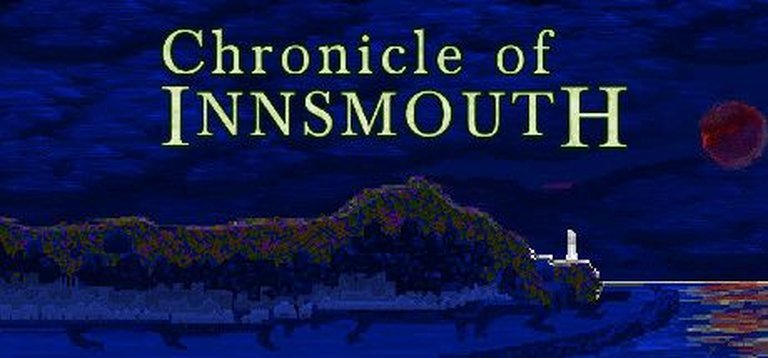
Chronicle of Innsmouth is a classic point-and-click graphic adventure game set in the eerie coastal town of Innsmouth, North America, drawing heavy inspiration from H.P. Lovecraft’s cosmic horror tales. Players navigate a 3rd-person perspective with fixed screens, solving intricate puzzles and uncovering dark secrets involving otherworldly entities like shoggoths, in a homage to old-school adventure games developed by Psychodev using the Adventure Game Studio engine.
Gameplay Videos
Where to Buy Chronicle of Innsmouth
PC
Chronicle of Innsmouth Reviews & Reception
metacritic.com (60/100): Loaded with quirky humor and challenging yet satisfying puzzles, Chronicle of Innsmouth works as both a retro adventure game and a loving tribute to H.P. Lovecraft.
opencritic.com (65/100): Not a perfect point-and-click adventure, Chronicle of Innsmouth is a strange creature that mix the typical humor of LucasArts with the dark and rotten atmosphere of H.P. Lovecraft.
store.steampowered.com (76/100): Mostly Positive – 76% of the 213 user reviews for this game are positive.
steambase.io (78/100): Mostly Positive.
adventuregamers.com (80/100): Loaded with quirky humor and challenging yet satisfying puzzles, Chronicle of Innsmouth works as both a retro adventure game and a loving tribute to H.P. Lovecraft.
Chronicle of Innsmouth: Review
Introduction
In the shadowed corners of H.P. Lovecraft’s mythos, few tales evoke the creeping dread of decayed coastal towns and fish-like hybrids as potently as The Shadow over Innsmouth. What if that eldritch nightmare collided head-on with the piratical wit of LucasArts’ golden age? Chronicle of Innsmouth (2017), the debut from Italian indie studio Psychodev, answers that audacious question with a pixelated love letter to both. Released amid a renaissance of retro adventures like Thimbleweed Park, this 5-6 hour point-and-click gem has carved a niche as a cult favorite for Lovecraft enthusiasts and genre purists alike. Its legacy endures not just as a faithful adaptation but as a bold fusion of grotesque comedy and cosmic terror, proving that indie developers can resurrect classics while whispering ancient horrors. My thesis: Chronicle of Innsmouth masterfully balances nostalgic gameplay with thematic depth, cementing its place as an essential homage that elevates Lovecraftian horror into interactive farce without diluting the abyss’s gaze.
Development History & Context
Psychodev, a two-person powerhouse led by Umberto Parisi (programming, graphics, music) and Amedeo Vasaturo (co-programming, graphics), embodies the scrappy spirit of indie development. Both creators, avowed fans of LucasArts titles like Monkey Island and Lovecraft’s oeuvre—Parisi credits Metallica, pen-and-paper RPGs, and films like Dagon for his obsession—conceived the game as an “obvious” marriage of influences. Formed in Italy, the duo harnessed the free Adventure Game Studio (AGS) engine, a staple for retro adventures since the early 2000s, imposing deliberate constraints: 320×200 resolution, 16-bit color, fixed/flip-screen visuals. This evoked SCUMM-era limitations, forcing creative economy in art and puzzles.
Launched on Steam May 5, 2017, for $12.99 (later bundled with its sequel), Chronicle arrived in a booming indie scene. The mid-2010s saw retro point-and-clicks flourish—Thimbleweed Park dropped a month prior—fueled by nostalgia for pre-3D gaming amid modern blockbusters’ sprawl. Psychodev’s tiny team (96 credits, including testers like Ross Kevin Moffat and musicians for bespoke tracks) bootstrapped via tech demos on IndieDB and Dropbox, building hype through Steam’s pre-release page. Technological hurdles, like AGS’s pixel art quirks and manual shader tweaks for Innsmouth’s sickly greens, mirrored era challenges: low budgets demanded multifaceted talent (Parisi handled soundtrack, website collaborator Andrea Burzi managed the site). A 2017 Deluxe Edition added full English voice-overs (free upgrade), Spanish translation, and bug fixes, while a sequel tease hinted at ambitions. In context, it stood against polished Kickstarter darlings, thriving on raw passion amid a Lovecraft boom (The Sinking City, Bloodborne‘s echoes).
Narrative & Thematic Deep Dive
Chronicle of Innsmouth adapts Lovecraft’s novella with reverent tweaks, intertwining dual timelines for dramatic irony. You play a naive young everyman (echoing Lovecraft’s unnamed narrator) drawn to Innsmouth after Newburyport whispers of cults, disappearances, and “exotic voyages.” Flashbacks reveal grizzled PI Lone Carter’s prior probe into a missing relative, tying your family roots to the Esoteric Order of Dagon. Key beats: eavesdropping at cafés, grilling librarians like the prickly Madame Tilton, infiltrating the YMCA, and confronting Gollum-esque locals like Mr. Gilman. Climaxes escalate from library dives to lighthouse sieges and gill-man chases, culminating in shoggoth revelations and sanity-shattering truths.
Plot Structure and Characters: The narrative splits present-day curiosity into past desperation, using cutaways for exposition. Your protagonist starts as a bumbling fool—Guybrush Threepwood reskin, per critics—quipping through horrors, while Lone embodies noir grit. Dialogue sparkles with LucasArts flair: paradoxical absurdity (e.g., cultists’ hillbilly gigs by “Whateley Hillbillies”) clashes with eldritch dread. Supporting cast shines—fishy Innsmouth denizens mutter in rasps, historical society curators hoard lore—fleshed via branching trees rewarding persistence.
Themes Explored: Cosmic insignificance looms, Innsmouth as “real main character” symbolizing decay and forbidden knowledge. Psychodev shifts tones masterfully: early grotesque comedy (annoying librarians, YMCA antics) yields to psychological fracture, family curses underscoring inherited doom. Sanity mechanics lurk implicitly—hints of madness via visions—blending Lovecraft’s xenophobia-tinged horror with self-aware parody. Additions like action beats (gill-man house) expand the novella, seeding sequels (Mountains of Madness). Writing delights in paradox: humor humanizes the abyss, making revelations hit harder. Flaws? Occasional genre nods feel forced, but the script’s “delightful” prose (Adventure Gamers) respects lore while innovating.
Gameplay Mechanics & Systems
True to roots, Chronicle is a pure graphic adventure: point-and-select interface, inventory combos, hotspot highlighting (toggleable). Core loop—explore, converse, puzzle—spans Newburyport’s stations/libraries to Innsmouth’s alleys/docks, lasting 5-6 hours.
Core Loops and Puzzles: 20+ enigmas range satisfyingly logical to devious. Early: combine clues for society access; mid: totem manipulations (Gilman’s bugfixed); late: timed arcade sequences (lighthouse, shoggoth evasion). Critics laud “challenging yet satisfying” designs—e.g., waterfall physics nods Parisi’s childhood visions—avoiding pixel-hunts via intuitive hints. Dialogue yields items/flags, rewarding reread.
Combat, Progression, UI: No traditional combat; “action” is QTE-lite chases (gill-man house evokes novella). Progression linear but replayable via branches. Retro UI shines—SCUMM-like verb bar, flip-screen navigation—but AGS quirks (muddy hotspots) frustrate. No overt leveling; “progression” via lore unlocks, sanity hints. Innovations: tone-shift pacing builds tension; flaws like timed trials (lighthouse near-quit for some) demand saves. Overall, “old-school” excellence tempers roughness.
World-Building, Art & Sound
Innsmouth pulses as a desolated entity: overview map plots key spots (cafés, reefs), “void alleys” amplify isolation. Green-shader palette bathes all in bilious rot—fish markets reek visually—crafted sans photos (save waterfall). Pixel art (Umberto/Amedeo) captures 90s grit: 320×200 frames flip fluidly, shoggoths (Moffat-animated) ooze menace. Muddy textures draw “not prettiest” flak, but evoke era authenticity.
Atmosphere and Sound Design: Desolation builds via palette, sparse crowds, fog-shrouded docks—mood trumps spectacle for “psychological horror.” Parisi’s soundtrack mesmerizes: eerie ambiences, “Newburyport Café” jazz (Massimo Barrella), choral “The Call” (Gandolfo Ferro), live “Whateley Hillbillies.” SFX amplify—thudding doors, raspy voices (Deluxe VO enhances). Elements synergize: humor punctuates dread, visuals/score crescendo to shoggoth roars, immersing in Innsmouth’s “spooky” grip.
Reception & Legacy
Launch reception skewed positive: MobyGames 72% (Adventure Gamers 80%: “rewarding… Lovecraft nerds”; HonestGamers 70%; Spazio Games 66%: “grezza… sperimentare”). Steam’s 76% “Mostly Positive” (241 reviews) echoes—nostalgia lovers praise puzzles/humor; detractors cite art/difficulty. Metacritic user 6.0 mixed; Adventure Gamers “Very Good” (4/5). Commercially modest (collected by 17 Moby users), but cult status grew via bundles, Deluxe (VO, Spanish).
Legacy evolves: Sequel Mountains of Madness (2021, shared 17 credits) expands saga; influenced Lovecraft indies (Innsmouth Case, Innsmouth 22). Psychodev’s AGS homage joins Kathy Rain in retro revival, proving small teams sustain genre. Academic nods (Moby’s 1,000+ citations) affirm preservation role; Steam Deck compatibility extends life. Flaws aside, it inspires: “love for genre” endures.
Conclusion
Chronicle of Innsmouth weaves Lovecraft’s shadows into LucasArts’ light with exhaustive craft—from dual narratives’ irony to green-tinged world’s dread, satisfying puzzles to tonal mastery. Psychodev’s passion overcomes indie limits, delivering a 5-6 hour triumph of humor-horror hybrid. Minor gripes (art muddiness, timed frustrations) pale against homage’s heart. Verdict: A definitive retro adventure milestone, essential for mythos fans and point-and-click historians—8.5/10, eternally whispering “Iä! Iä!” from Innsmouth’s depths. Play it; the stars align right… for now.