
- Release Year: 2020
- Platforms: Linux, Macintosh, Windows
- Publisher: Static City Games
- Developer: Static City Games
- Genre: Action
- Perspective: Top-down
- Game Mode: Co-op, Single-player
- Gameplay: Arcade, Shooter, Space flight
- Setting: Futuristic, Sci-fi
- Average Score: 66/100
Description
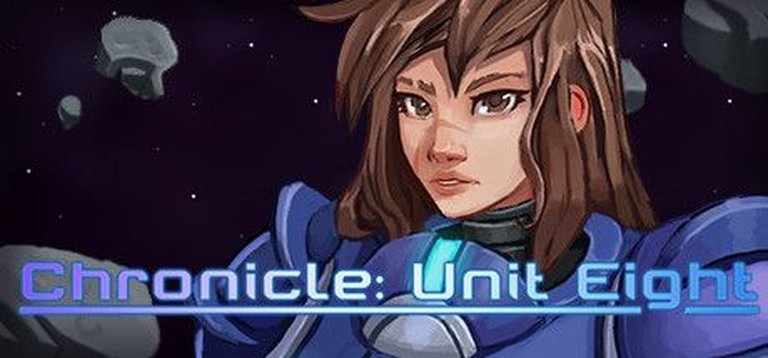
In the sci-fi universe of Chronicle: Unit Eight, players take control of Atlas, a skilled mercenary piloting the advanced ship Unit Eight, dispatched by the Chronicle mercenary organization to sabotage and destroy a planet-annihilating superweapon developed by ruthless space pirates. This top-down arcade shooter blends intense bullet hell mechanics, rogue-like progression, and destructible projectiles in fast-paced space combat against waves of enemies and formidable bosses.
Gameplay Videos
Where to Buy Chronicle: Unit Eight
PC
Chronicle: Unit Eight Mods
Chronicle: Unit Eight Reviews & Reception
store.steampowered.com (66/100): 66% of the 21 user reviews for this game are positive.
Chronicle: Unit Eight: Review
Introduction
In the neon-drenched void of indie gaming’s arcade revival, Chronicle: Unit Eight blasts onto the scene like a rogue asteroid—unassuming, jagged, and packed with explosive potential. Released in Early Access on March 16, 2020, and fully launching on November 23 of the same year for PC, Mac, and Linux, this top-down bullet hell shooter from Static City Games fuses the pixel-perfect intensity of classics like Raiden and Ikaruga with roguelite progression reminiscent of Rogue Legacy. As a mercenary piloting the ship Unit Eight under the codename Atlas, players dive into a sci-fi skirmish against a planet-threatening space pirate empire. Amid a sea of bloated AAA titles, Chronicle stands as a lean, addictive tribute to arcade roots, but its mixed execution leaves it orbiting niche appeal rather than stellar stardom. My thesis: While it masterfully recaptures the thrill of quarter-munching shmups with innovative destructible bullets and deep customization, uneven difficulty scaling and sparse polish prevent it from achieving escape velocity into gaming legend—yet it remains a must-play for bullet hell aficionados seeking fresh roguelite spice.
Development History & Context
Static City Games, a diminutive indie outfit helmed by director and writer Joshua Krassenstein (with co-writer Christoph Schoch), birthed Chronicle: Unit Eight as a passion project in the Unity engine, embodying the DIY ethos of 2020’s Early Access boom. Co-developed with Vampiric Games, the title emerged during a golden age for roguelites—post-Hades hype and amid Enter the Gungeon‘s shadow—where developers blended procedural peril with arcade precision. Technological constraints were minimal; its featherweight specs (1 GB RAM minimum, Intel HD Graphics) hark back to flash-era browsershooters, prioritizing accessibility over spectacle.
The gaming landscape in 2020 was saturated with survival-crafters and battle royales, but shmups languished in retro emulators. Chronicle positioned itself as a bridge: vertical-scrolling chaos meets persistent progression, dodging the one-and-done frustration of pure arcade titles. Early Access allowed iterative polishing—community feedback via Steam forums addressed bugs like launch crashes and clarified mechanics (e.g., bomb pickups, laser unlocks)—culminating in a 1.0 release with 83 achievements, split-screen co-op, and modes like Boss Rush and Arcade leaderboards. Priced at a humble $12.49 (with soundtrack bundles), it targeted nostalgic players via Steam tags like “Shoot ‘Em Up,” “Roguelite,” and “Pixel Graphics.” No massive marketing budget meant reliance on word-of-mouth, but quotes from outlets like Bitwares (“brings us back to the arcades”) hinted at cult potential. In hindsight, it reflects indie resilience amid pandemic lockdowns, when quick, replayable escapism reigned supreme.
Narrative & Thematic Deep Dive
Chronicle: Unit Eight weaves a lean sci-fi yarn elevated by flavorful character work, transforming rote bullet-dodging into a personal vendetta. The core plot: Chronicle, a mercenary outfit, deploys veteran hunter Atlas—voiced by Aimee Smith as a lethargic thrill-seeker jaded by “record number of missions despite her age”—and her eponymous ship to Galaxy 9. Target? Infamous pirate Zelos (Christoph Schoch), a greedy amusement-chaser building a planet-killer weapon for notoriety. Atlas’s handler, the mousy O-27 (Christina Costello), frets over protocol breaches, adding bureaucratic tension.
Supporting cast fleshes out themes of loyalty, greed, and madness in lawless space. Logan (Luke de Ayora), Zelos’s debt-bound second-in-command, embodies blind fealty after Zelos “saved” his fleet. Bobiscusantos (Bob) (Ernest Pazera), the dimwitted hoarder, prioritizes coin over cause, his resilience a boss-fight nod to unyielding avarice. Fionne (Nathalie Ferare?), the rabid engineer crafting erratic wonders—from teleporters to robo-pups—personifies chaotic creativity unbound by morality. Minor voices like Tetraknights (Jonathan Gantt, Riley Maness, Jennifer Silverman) and Unit Eight’s AI (Krassenstein) pepper dialogues with wry banter.
Thematically, it’s a meditation on burnout and thrill addiction: Atlas mirrors Zelos in seeking highs amid ennui, questioning mercenary life’s cost. Dialogue shines in cutscenes—Atlas’s sarcasm (“constantly seeking the thrills she once had as a novice”) contrasts O-27’s timidity—delivered in multiple languages (English, German, Spanish, etc.). Secrets unlock lore, like Zelos’s raids, building to a high-stakes climax: thwart the doomsday device before planetary Armageddon. Flaws persist—narrative fragments across runs, feeling secondary to gameplay—but its voice-cast depth (IMDb-listed talent) and pirate-merc dynamic elevate it beyond mute shmups, echoing Ikaruga‘s subtle storytelling.
Gameplay Mechanics & Systems
At its core, Chronicle is a top-down 2D scrolling shooter with direct control, gamepad-friendly inputs, and vehicular space flight. Runs unfold in vertical bullet hell waves: dodge dense patterns, blast foes, and destroy enemy bullets—a rare twist amplifying agency. Power-ups spawn mid-run (weapons, bombs, lasers, speed boosts—though some players gripe about rarity), fueling temporary god-runs. Defeated ships drop Scraps for meta-progression: a vast perk tree unlocks weapon combos (e.g., homing lasers), defenses (shields, maneuvers), abilities, and bombs.
Roguelite loops shine post-death: spend Scraps on ship mods for exponential growth, blending Rogue Legacy‘s persistence with arcade purity. Unlockables manifest as pickups, encouraging experimentation—pair bombs with lasers for clears. Progression tiers (e.g., ship level 3+ reveals advanced perks) demand mastery. Modes diversify: Story for narrative pushes, Boss Rush for endurance, Arcade for score-chasing leaderboards. Co-op split-screen adds chaos, Remote Play Together extends reach.
Innovations dazzle—destructible projectiles turn defense into offense—but flaws mar: UI clutter (perk overloads screens), RNG frustration (rare bombs/lasers), and difficulty spikes (unforgiving early waves). Achievements (83 total) reward milestones like “max level,” fostering grind. Controls feel crisp (Unity polish), yet speed boosts confuse newbies as “traps.” Overall, loops hook via “one more run” dopamine, but balance tweaks could perfect it.
World-Building, Art & Sound
The game’s sci-fi/futuristic setting—obscure Galaxy 9 pockets, pirate fleets, doomsday factories—evokes Raiden‘s industrial sprawl with roguelite flair. Pixel graphics deliver crunchy 2D sprites: Unit Eight’s sleek frame weaves neon bullet storms, enemies explode in scrap confetti. Visual direction nails arcade nostalgia—scrolling backdrops pulse with stars, bosses like resilient Bob loom massive—though repetition creeps in long runs.
Atmosphere thrives on bullet hell density: screens saturate with destructible orbs, heightening peril. Secrets (hidden paths?) reward exploration. Sound design elevates: a “great soundtrack” (Steam tag, DLC available) blasts synthwave chiptunes syncing to barrages—pulsing bass for builds, screeches for dodges. SFX crisp (pew-pews, booms), voice lines integrate seamlessly (Atlas’s quips mid-firefight). These elements forge immersion: visuals/sounds mimic coin-op cabinets, turning solo PC runs into communal arcade reverie, though pixel art lacks Ikaruga‘s polarity polish.
Reception & Legacy
Launch reception skews mixed: Steam’s 66% positive (21 reviews) praises addictiveness (“several hours of fun… addictive in the short term” – 4news, 8/10), but gripes bugs/UI (forums: launch blackscreens fixed post-EA). No Metacritic/MobyGames critic scores (0 player reviews there), 1 Moby collector signals obscurity. Positive nods (Bitwares: arcade nostalgia) contrast low visibility—ranked 24,856 on IndieDB.
Commercially modest ($5-15 Steam pricing), it carved a footnote in indie shmup revival, influencing pixel-roguelites like Eight Dragons (related via Moby). No seismic impact—eclipsed by Downwell kin—but endures via leaderboards, co-op. Reputation evolved positively post-patches (2021 bug threads), earning “hidden gem” whispers. In history, it’s a testament to Early Access: raw talent refined into competent homage.
Conclusion
Chronicle: Unit Eight masterfully marries bullet hell purity with roguelite depth, delivering tense dodges, empowering progression, and charismatic sci-fi flair in a 200MB package. Atlas’s saga against Zelos captivates, mechanics innovate (bullet destruction, perk sprawl), and arcade vibes transport—yet RNG woes, UI haze, and balance bumps clip its wings. For shmup historians, it’s essential: a 2020 artifact reviving Raiden-era joy amid roguelite surge. Verdict: 8/10—strongly recommended for genre fans; a flawed gem securing Static City Games’ indie cred, worthy of history’s peripheral orbit. Fire up Steam; the void awaits.