
- Release Year: 2014
- Platforms: Windows
- Publisher: Kisareth Studios
- Developer: Kisareth Studios
- Genre: Role-playing, RPG
- Perspective: Top-down
- Game Mode: Single-player
- Gameplay: Anime, Manga
- Setting: Fantasy
Description
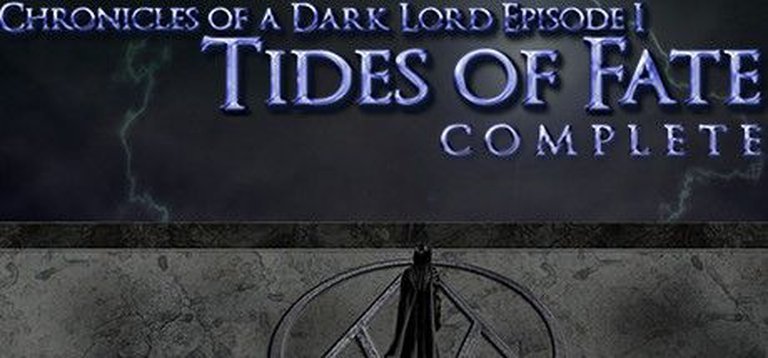
Chronicles of a Dark Lord: Episode 1 – Tides of Fate Complete is a 25+ hour epic JRPG that celebrates classic 16-bit titles but with a mature and darker narrative. The game follows the saga of the Dark Lord, Magus Drakhen Lee, offering a unique perspective filled with intrigue and complex storytelling. Set in a fantasy world with anime/manga-inspired art, players navigate a top-down perspective through a richly detailed and engaging role-playing experience.
Gameplay Videos
Chronicles of a Dark Lord: Episode 1 – Tides of Fate Complete Cracks & Fixes
Chronicles of a Dark Lord: Episode 1 – Tides of Fate Complete Guides & Walkthroughs
Chronicles of a Dark Lord: Episode 1 – Tides of Fate Complete: A Fractured Ode to Retro Ambition
Introduction
In the crowded landscape of indie RPGs, Chronicles of a Dark Lord: Episode 1 – Tides of Fate Complete stakes its claim as a love letter to 16-bit JRPGs—albeit one written in blood and shadow. Developed by Kisareth Studios and released in 2014, this episodic dark fantasy RPG garnered a cult following for its morally ambiguous narrative and retro-inspired mechanics, even as it stumbled under the weight of its own ambition. This review argues that while Tides of Fate successfully channels the spirit of classics like Final Fantasy VI and Lunar, its execution is marred by uneven pacing, technical limitations, and a protagonist whose edgy demeanor often veers into self-parody.
Development History & Context
Studio Vision & Constraints
Kisareth Studios, a small indie team, envisioned Tides of Fate as the first chapter in a sprawling dark fantasy saga. Built using RPG Maker VX, the game leaned heavily on nostalgia while attempting to modernize the genre with HD flourishes and player-driven choices. The studio’s ambition was clear: create a mature, morally complex RPG that subverted the heroic tropes of its inspirations.
Technological & Industry Landscape
Released during the mid-2010s indie boom, Tides of Fate entered a market hungry for retro revivals. However, RPG Maker’s limitations—notably its reputation for “cheap” aesthetics and rigid frameworks—posed challenges. Kisareth sought to counter this with custom scripts for its Active Time Battle (ATB) system and parallax mapping, but criticisms of lag and visual clutter persisted. A 2017 remaster aimed to address these issues, refining enemy sprites and UI, yet the game remained a product of its engine’s constraints.
Narrative & Thematic Deep Dive
Plot & Characters
Players assume the role of Magus Drakhen Lee, a brooding antihero who begins his journey by murdering his father and being crowned a dark lord by a malevolent god. The story spans 25+ hours, weaving political intrigue, betrayals, and cosmic threats as Magus allies with rebels, witches, and former enemies to combat a greater evil.
While the premise promises nuance, the execution falters. Magus oscillates between cartoonish tyranny and reluctant heroism, undermining the game’s attempts at moral ambiguity. Supporting characters like Gelina, a dragoness warrior, and Moirena, a sea witch, are underdeveloped, often reduced to archetypes (e.g., the “tsundere” mage).
Themes & Dialogue
Tides of Fate explores cyclical violence, free will, and the cost of power. A standout sequence involves players deciding whether to slaughter a defiant village—a choice that later impacts ally availability. However, the dialogue veers between poignant and melodramatic, with Magus frequently growling lines like “You dare defy me?!” that border on self-parody.
Gameplay Mechanics & Systems
Combat & Progression
The ATB system apes Final Fantasy IV–VI, with tweaks like a “Tension Bar” that fills as players move, triggering random encounters when maxed. Battles are fluid but bogged down by RPG Maker’s lag during skill animations. The difficulty curve is uneven: early boss fights (e.g., the Aetevian Knight) demand grinding, while late-game encounters crumble under overpowered spells like Demise.
Character Progression & Customization
A traditional leveling system is complemented by equipment forging and skill trees. However, progression feels shallow compared to contemporaries like Bravely Default. Unique mechanics, such as recruiting enemies via Rhapsody Clash minigames, are underutilized.
UI & Technical Flaws
The interface is functional but cluttered, with tiny text in windowed mode (a frequent complaint on Steam forums). Save-scumming is near-mandatory due to abrupt difficulty spikes and cryptic puzzles, like a treasury password that triggers an unwinnable fight if guessed wrong.
World-Building, Art & Sound
Visual Design
Tides of Fate melds 16-bit sprites with HD parallax backdrops, creating a striking but inconsistent aesthetic. Towns drip with gothic flair (e.g., candlelit cathedrals, stormy harbors), but excessive use of dark palettes strains the eyes. The 2017 remaster improved enemy sprites, though animations remain stiff.
Soundtrack & Atmosphere
The game’s strongest asset is its soundtrack, featuring contributions from indie artists like Kevin MacLeod and Marielle Thomas. Tracks like Day to Fall and the boss battle theme Wrath of the Seas elevate key moments, blending orchestral grandeur with chiptune nostalgia.
Reception & Legacy
Launch & Critical Response
Critics praised the narrative ambition and music (Operation Rainfall awarded it 4/5 stars), but panned technical shortcomings. User reviews on Metacritic (6.2/10) and Steam are polarized: some lauded its “epic story,” while others dismissed it as “a teenage power fantasy.”
Influence & Cult Status
Though overshadowed by titans like Undertale, Tides of Fate carved a niche among retro RPG enthusiasts. Its thematic focus on villainy presaged titles like Tyranny, and the 2017 remaster demonstrated Kisareth’s commitment to iterative improvement.
Conclusion
Chronicles of a Dark Lord: Episode 1 – Tides of Fate Complete is a fascinating but flawed relic of indie ambition. It delivers moments of brilliance—haunting music, bold narrative choices—yet struggles to transcend its RPG Maker roots. For diehard fans of dark fantasy and 16-bit JRPGs, it remains a worthwhile curiosity. For most, however, its legacy is that of a stepping stone—a testament to the potential and pitfalls of passion-driven game development.
Final Verdict: A flawed but memorable homage to retro RPGs, best enjoyed by those willing to forgive its edges.