
- Release Year: 2015
- Platforms: Android, iPad, iPhone, Macintosh, Windows
- Publisher: Blindflug Studios AG
- Developer: Blindflug Studios AG
- Genre: RPG, Simulation
- Perspective: Top-down
- Game Mode: Single-player
- Gameplay: Point and select, Roguelike, Survival
- Setting: Fantasy
- Average Score: 81/100
Description
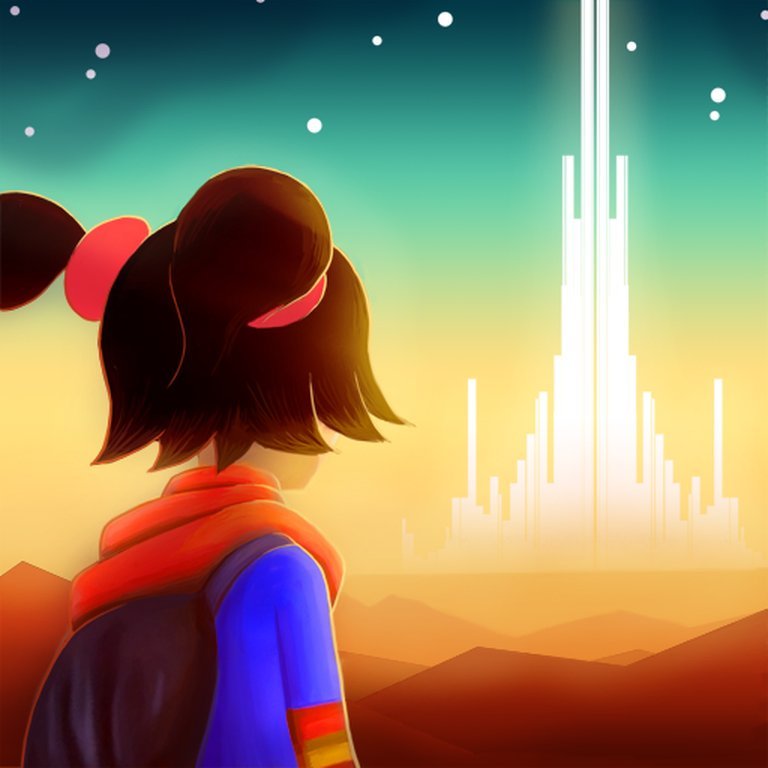
Cloud Chasers: Journey of Hope is a survival roguelike game where players guide Francisco and his daughter Amelia through five perilous deserts in search of a better life. Set in a harsh, dried-up world, the game challenges players with scarce resources, deadly hazards, and a constant struggle for survival, all while navigating a touching narrative. The experience is softened by charming cartoon-style graphics and a mix of simulation, RPG, and flight mechanics, offering a blend of emotional storytelling and strategic gameplay.
Gameplay Videos
Where to Buy Cloud Chasers: Journey of Hope
PC
Cloud Chasers: Journey of Hope Guides & Walkthroughs
Cloud Chasers: Journey of Hope Reviews & Reception
metacritic.com (80/100): A sad and sometimes difficult game about how water is the difference between life and death.
androidauthority.com : Immigration is not simple, and neither is this game.
steambase.io (83/100): Cloud Chasers – Journey of Hope has earned a Player Score of 83 / 100.
steamcommunity.com : Cloud Chasers was an interesting little survival title in the vein of games like Flame in the Flood.
Cloud Chasers: Journey of Hope – A Poignant Survival Odyssey Through the Sands of Despair
Introduction: A Game That Dares to Ask Hard Questions
Cloud Chasers: Journey of Hope is not just a game—it is an experience, a meditation on survival, migration, and the human spirit’s resilience in the face of insurmountable odds. Released in 2015 by Swiss indie studio Blindflug Studios, this narrative-driven survival roguelike places players in the shoes of Francisco and his daughter Amelia, two refugees traversing five deadly deserts in search of a mythical utopia above the clouds. At its core, Cloud Chasers is a game about scarcity, choice, and consequence, wrapped in a hauntingly beautiful steampunk aesthetic.
What makes Cloud Chasers stand out in the crowded indie landscape is its unflinching commitment to its themes. Unlike many games that romanticize survival or treat it as a mere gameplay mechanic, Cloud Chasers forces players to grapple with the moral weight of every decision. Do you share your dwindling water supply with a stranger in need, risking your own survival? Do you trust a mysterious trader offering a dubious deal? Every choice is permanent, and every misstep could mean death.
This review will dissect Cloud Chasers in exhaustive detail, exploring its development history, narrative depth, gameplay systems, artistic design, and lasting legacy. By the end, it will be clear why this game remains a poignant, if underappreciated, gem in the pantheon of narrative-driven indie games.
Development History & Context: A Game Born from Empathy
The Studio Behind the Struggle
Blindflug Studios, a small Zurich-based indie developer founded in 2013, has always been driven by a mission to create games that tackle pressing social issues. Their debut title, First Strike, was a nuclear war simulator that explored the horrors of mutually assured destruction. With Cloud Chasers, they turned their attention to another global crisis: migration.
In an interview with Geek Ireland, Blindflug’s CEO Moritz Zumbühl explained the studio’s philosophy:
“Video games have become one of the most important cultural outlets of the 21st century, with enormous storytelling potential. We believe that mobile games can establish a fresh look at the pressing issues of our time by letting players virtually experience those situations.”
This ethos is evident in every aspect of Cloud Chasers. The game was developed over the course of a year, with the team drawing inspiration from real-world migrant crises, particularly the perilous journeys across the Mediterranean. To underscore their commitment, Blindflug pledged a portion of the game’s proceeds to MOAS (Migrant Offshore Aid Station), an organization dedicated to rescuing migrants at sea.
Technological Constraints and Design Choices
Cloud Chasers was initially released on mobile platforms (iOS and Android) in October 2015, with a PC and Mac port arriving in 2018. Built using the Unity engine, the game’s design reflects the limitations and strengths of mobile gaming at the time.
- Roguelike Structure: The game’s permadeath mechanic and procedurally generated deserts were partly a technical necessity—mobile devices of the era struggled with large, persistent game worlds. However, this constraint became a narrative strength, reinforcing the unpredictability and harshness of the migrant experience.
- Top-Down Perspective: The fixed 2D scrolling perspective, while limiting in terms of immersion, allowed for a clean, accessible interface that worked well on touchscreens.
- Minimalist Aesthetics: The game’s visual style, while simple, was a deliberate choice to evoke the stark, desolate beauty of the desert. The pastel hues and hand-drawn environments create a haunting atmosphere that lingers long after the game is turned off.
The Gaming Landscape in 2015
Cloud Chasers arrived at a time when the indie scene was flourishing, with games like Undertale, Her Story, and The Beginner’s Guide redefining what narrative-driven experiences could achieve. However, it also entered a market saturated with survival games, from Don’t Starve to The Long Dark. What set Cloud Chasers apart was its unwavering focus on storytelling and thematic depth over pure gameplay mechanics.
The game’s mobile-first release was both a blessing and a curse. While it reached a broad audience, it also faced the challenge of standing out in an app store dominated by free-to-play titles. Despite this, Cloud Chasers garnered critical acclaim for its bold themes and innovative design, earning awards at GDC Play and the Indie Game Days.
Narrative & Thematic Deep Dive: A Journey Through Desolation and Hope
Plot Overview: The Quest for a Better Life
Cloud Chasers follows Francisco, a farmer, and his daughter Amelia as they flee their drought-stricken homeland in search of a legendary city above the clouds. Their world is divided into two stark realities:
– The Surface: A barren wasteland where water is scarce, and survival is a daily struggle.
– The Sky: A floating utopia inhabited by the elite, who hoard the world’s remaining water resources.
The game’s narrative is structured around five distinct deserts, each more treacherous than the last. Along the way, Francisco and Amelia encounter a variety of characters—some benevolent, others hostile—each with their own stories and motivations. These encounters are randomly generated, ensuring that no two playthroughs are alike.
Characters: The Heart of the Story
- Francisco: The father figure, Francisco is a man driven by desperation and love for his daughter. His dialogue reflects a mix of determination and exhaustion, as he struggles to keep Amelia safe while grappling with the moral dilemmas of their journey.
- Amelia: The daughter, Amelia, is both curious and resilient. Her interactions with the world around her—whether collecting water from the clouds or engaging with strangers—highlight the innocence and vulnerability of those caught in the migrant crisis.
- The Inhabitants of the Desert: From desperate scavengers to ruthless bandits, the NPCs in Cloud Chasers are designed to challenge the player’s empathy. Some will offer help in exchange for water, while others will attempt to rob or deceive you.
Themes: Survival, Sacrifice, and the Human Condition
Cloud Chasers is a game about migration, but it is also a game about the universal human experience of struggle and hope. Its themes resonate deeply in a world where climate change, war, and economic disparity continue to displace millions.
- The Cost of Survival: Every decision in Cloud Chasers carries weight. Sharing water with a stranger might save their life but could doom yours. The game forces players to confront the harsh realities of scarcity and the moral compromises it demands.
- The Illusion of the Promised Land: The city above the clouds is a myth, a beacon of hope that may or may not exist. This mirrors the experiences of real-world migrants, who often risk everything for a chance at a better life, only to find that the reality is far more complex.
- The Bond Between Parent and Child: The relationship between Francisco and Amelia is the emotional core of the game. Their dialogue, though minimal, conveys a deep sense of love and protectiveness, making their struggles all the more heartbreaking.
Dialogue and Player Agency
The game’s dialogue system is simple but effective. Players are presented with binary choices that directly impact their survival. For example:
– “A stranger offers you water in exchange for a repair part. Do you accept?”
– “A group of bandits demands your water. Do you fight or flee?”
These choices are not just mechanical—they shape the narrative and the player’s emotional connection to the characters. The lack of a “save” feature means that every decision is final, reinforcing the game’s themes of permanence and consequence.
Gameplay Mechanics & Systems: A Harsh but Fair Survival Simulator
Core Gameplay Loop: Walk, Collect, Survive
At its heart, Cloud Chasers is a survival game with roguelike elements. The core gameplay loop revolves around three key activities:
1. Traversal: Players guide Francisco and Amelia through the desert, managing their stamina and water levels.
2. Resource Management: Water is the game’s most precious resource. It is used for drinking, trading, and even as currency. Players must constantly balance their water supply with their need to progress.
3. Cloud Chasing: Amelia’s glider allows players to collect water from the clouds, but this mini-game is fraught with danger. Harvester drones, controlled by the elite, patrol the skies, forcing players to navigate carefully to avoid losing their hard-earned water.
Combat and Conflict
Cloud Chasers is not a combat-heavy game. Instead, conflict is resolved through dialogue choices or quick-time events. For example:
– Bandit Encounters: Players can choose to fight, flee, or negotiate. Fighting is risky and often results in injury, while fleeing may cost valuable resources.
– Environmental Hazards: Sandstorms, poisonous plants, and extreme heat all pose threats that must be managed through careful planning and resource allocation.
Inventory and Crafting
The game’s inventory system is straightforward but essential. Players can carry a limited number of items, including:
– Water: The lifeblood of the game.
– Food: Restores health but is scarce.
– Medicine: Cures injuries and illnesses.
– Tools: Used for repairing the glider or navigating hazards.
Crafting is minimal, with most items obtained through trading or scavenging. This simplicity keeps the focus on survival rather than complex crafting systems.
Progression and Permadeath
Cloud Chasers is a roguelike, meaning that death is permanent. If Francisco or Amelia perish, the game ends, and players must start over. This design choice is brutal but thematically appropriate—it mirrors the unforgiving nature of the migrant experience.
However, the game does offer some progression between playthroughs. Players unlock new starting items and abilities as they learn from their mistakes, making subsequent attempts slightly easier. This balance between punishment and reward keeps the game engaging without feeling overly punitive.
Difficulty and Accessibility
The game offers three difficulty levels:
– Easy: More forgiving with water and health management.
– Normal: A balanced challenge.
– Hard: Brutal, with limited resources and harsher penalties.
Despite its difficulty, Cloud Chasers is accessible to a wide audience. The controls are simple, and the game’s narrative-driven approach ensures that even players who struggle with survival mechanics can appreciate its story.
World-Building, Art & Sound: A Desert of Beauty and Despair
Setting: A Dystopian Steampunk Wasteland
Cloud Chasers takes place in a world ravaged by climate change, where the surface is a vast, unending desert, and the sky is dominated by floating cities inhabited by the elite. This setting is a blend of dystopian sci-fi and steampunk aesthetics, with a strong emphasis on environmental storytelling.
- The Five Deserts: Each desert has its own unique challenges and visual identity. The first desert is relatively mild, while the later ones introduce sandstorms, toxic plants, and other hazards.
- The Sky Cities: Though never fully explored, the floating cities loom in the background, a constant reminder of the inequality that drives the game’s narrative.
Visual Design: Minimalism with Purpose
The game’s art style is deceptively simple. The top-down perspective and 2D scrolling environments are reminiscent of classic adventure games, but the hand-drawn textures and pastel color palette give it a unique, almost dreamlike quality.
- Character Design: Francisco and Amelia are rendered in a cartoonish style, but their expressions and animations convey a deep sense of emotion. The contrast between their innocent designs and the harsh world around them is striking.
- Environmental Details: The desert is filled with small, telling details—abandoned vehicles, skeletal remains, and the occasional oasis—each hinting at the stories of those who came before.
Sound Design: The Silence of the Desert
The game’s audio design is understated but effective. The soundtrack, composed by Simon Christen, is a mix of ambient tracks and melancholic melodies that perfectly complement the game’s tone.
- Ambient Sounds: The howling wind, the distant hum of harvester drones, and the occasional cry of a desert creature all contribute to the game’s immersive atmosphere.
- Voice Acting: While the game features no voice acting, the written dialogue is well-crafted, with each character’s personality shining through their words.
Reception & Legacy: A Game Ahead of Its Time
Critical Reception: Praise for Its Bold Themes
Cloud Chasers received generally positive reviews upon release, with critics praising its narrative depth and unique take on the survival genre. However, its mobile-first release and niche appeal meant that it never achieved mainstream success.
- Pocket Gamer (80/100): “A sad and sometimes difficult game about how water is the difference between life and death.”
- Apple’N’Apps (70/100): “Cloud Chasers is an interesting survival challenge that isn’t perfect, but is worth picking up.”
- Android Authority: “Immigration isn’t simple, and neither is this game.”
Commercial Performance and Community Response
The game’s commercial performance was modest, with around 1,000 downloads on the Google Play Store and a small but dedicated fanbase on Steam. Its lack of widespread success can be attributed to several factors:
– Mobile Market Saturation: The game struggled to stand out in an app store dominated by free-to-play titles.
– Niche Appeal: Its heavy themes and punishing difficulty limited its audience.
– Limited Marketing: As an indie title, Cloud Chasers lacked the marketing budget of larger games.
Despite these challenges, the game has developed a cult following, particularly among players who appreciate its narrative depth and emotional resonance.
Influence and Legacy
Cloud Chasers may not have been a commercial blockbuster, but its influence can be seen in later games that tackle similar themes. Titles like Venba (2023), which explores the immigrant experience through cooking, and The Last of Us Part II (2020), which delves into the moral complexities of survival, owe a debt to Cloud Chasers’ willingness to confront difficult subjects.
Moreover, the game’s success in blending narrative and gameplay has inspired other indie developers to explore socially conscious themes in their work. Blindflug Studios itself has continued to create games with a purpose, including AIRHEART – Tales of Broken Wings (2017), a flying adventure game with a strong female protagonist.
Conclusion: A Masterpiece of Thematic Depth and Emotional Resonance
Cloud Chasers: Journey of Hope is not a perfect game. Its mechanics can be punishing, its visuals are simple, and its mobile roots occasionally show. But what it lacks in polish, it more than makes up for in heart. This is a game that dares to ask hard questions about survival, sacrifice, and the human condition. It is a game that forces players to confront the moral weight of their choices, to feel the desperation of those who have nothing left to lose.
In an industry often criticized for its reliance on escapism, Cloud Chasers stands as a testament to the power of games as a medium for storytelling and social commentary. It is a game that lingers in the mind long after the credits roll, a haunting reminder of the struggles faced by millions around the world.
Final Verdict: 8.5/10 – A flawed but essential experience for fans of narrative-driven survival games.
Cloud Chasers: Journey of Hope may not be the most technically impressive or mechanically deep game, but it is one of the most emotionally resonant. It is a game that deserves to be remembered, not just for what it achieves, but for what it represents—a bold, unflinching look at the human cost of survival.