
- Release Year: 2018
- Platforms: Windows
- Publisher: Canalside Studios
- Developer: Canalside Studios
- Genre: Simulation
- Game Mode: Single-player
- Gameplay: Business simulation, Managerial
Description
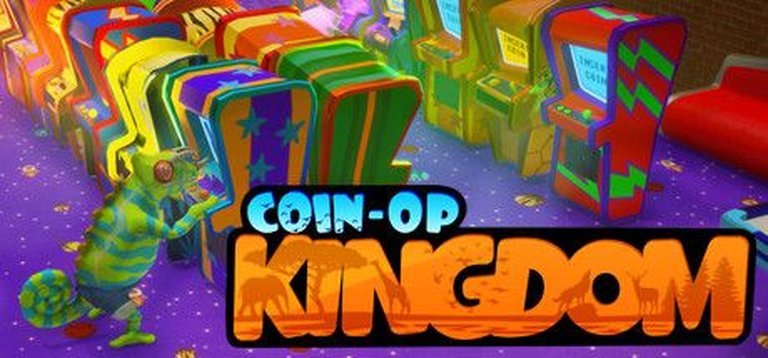
Coin-Op Kingdom is a managerial business simulation game developed and published by Canalside Studios. Released in 2018, the game allows players to manage their own arcade business, handling tasks such as selecting and maintaining arcade machines, managing finances, and attracting customers to ensure the success and growth of their coin-op kingdom.
Where to Buy Coin-Op Kingdom
PC
Coin-Op Kingdom Guides & Walkthroughs
Coin-Op Kingdom: Review
Introduction
In the crowded landscape of simulation games, Coin-Op Kingdom (2018) stands out with its whimsical premise: managing a failing arcade populated entirely by anthropomorphic animals. Developed and published by Canalside Studios, this indie title marries the charm of a zoo-themed tycoon game with the logistical challenges of arcade management. While its colorful aesthetic and quirky premise hint at potential, Coin-Op Kingdom struggles to transcend its technical limitations and repetitive systems. This review argues that the game’s novel setting and lighthearted tone are overshadowed by underdeveloped mechanics and a lack of polish, leaving it as a curious but flawed entry in the business-simulation genre.
Development History & Context
Coin-Op Kingdom emerged from the small UK-based studio Canalside Studios, notable for their focus on niche simulation projects. Built using the Unity engine, the game’s development was likely constrained by budget and scope, evident in its simplistic systems and reliance on stock assets (noted by players encountering the default Unity launcher at startup). Released in August 2018, it entered a market saturated with management simulators like Game Dev Tycoon and Two Point Hospital, though its animal-centric twist offered a unique angle.
The game’s timing aligned with a resurgence of nostalgia for arcade culture, but it lacked the depth of contemporaries like Arcade Paradise. Technical limitations, such as limited resolution options and a rigid save system, suggest a rushed development cycle. These constraints would shape its reception, as players compared its janky execution to more polished indie titles of the era.
Narrative & Thematic Deep Dive
Coin-Op Kingdom forgoes a traditional narrative, opting instead for a light thematic framework. Players inherit a derelict arcade in a world where animals—ranging from pandas to elephants—serve as both customers and employees. The absence of dialogue or story arcs leans into the game’s minimalist design, but this also robs the experience of emotional stakes.
Thematically, the game explores the tension between capitalism and creativity. Your animal patrons demand ever more extravagant attractions, while your staff (also animals) require careful resource allocation to keep the business afloat. However, this theme isn’t interrogated deeply; the animals are purely cosmetic, behaving no differently than human characters would. The result is a missed opportunity to leverage its premise for satire or social commentary, leaving the world feeling undercooked.
Gameplay Mechanics & Systems
At its core, Coin-Op Kingdom tasks players with reviving an arcade by purchasing machines, setting prices, and hiring staff. The gameplay loop involves:
1. Economic Management: Earning coins from arcade machines and concessions to reinvest in upgrades.
2. Staff Allocation: Assigning animal workers to roles like janitors or chefs, though AI pathfinding issues often leave stations unmanned.
3. Event Handling: Random occurrences, such as equipment breakdowns or VIP visits, add variability.
While these systems sound robust on paper, their execution falters:
– Repetition: Early-game tasks, like manually adjusting vending machine prices, grow tedious.
– Bugs: Players reported game-breaking glitches, such as disappearing buildings after loading saves.
– Punishing Progression: A harsh “game over” mechanic resets progress after 70 minutes, frustrating players who invest time in expansion.
The UI is functional but barebones, with limited tooltips exacerbating the learning curve. Despite these flaws, the game’s simplicity may appeal to casual players seeking a low-stakes management experience.
World-Building, Art & Sound
Coin-Op Kingdom’s strongest asset is its cheerful, cartoonish aesthetic. The animal designs—think raccoons in hoodies and giraffes clutching joysticks—lend the arcade a playful vibe. Environments are brightly colored but generic, with little to distinguish one area from another.
Sound design is serviceable but forgettable. The soundtrack leans into upbeat chiptune melodies, evoking arcade nostalgia, while sound effects (like coin clinks and machine beeps) are repetitive. Visual and audio cues for events, such as VIP arrivals, are clear but lack flair. Ultimately, the art and sound elevate the game’s charm but can’t compensate for its mechanical shortcomings.
Reception & Legacy
Upon release, Coin-Op Kingdom garnered mixed reviews. Steam users praised its concept but critiqued its bugs and repetitive gameplay, resulting in a 41% positive rating. Critics largely ignored it—Metacritic lists no official reviews—and it failed to make a splash in the indie scene.
Its legacy is modest. While the game’s animal-management hook inspired minor fan art and discussion threads, it didn’t influence later titles like Bear and Breakfast or Parkitect. Canalside Studios’ follow-up, Coin-Op Vice (2024), suggests lingering confidence in the concept, but the original remains a footnote in simulation history.
Conclusion
Coin-Op Kingdom is a case study in unrealized potential. Its whimsical premise and lighthearted art style hint at a captivating management sim, but underdeveloped systems, technical flaws, and a lack of narrative depth leave it feeling half-finished. For players enchanted by its animal antics, it may offer fleeting enjoyment, but most will find its flaws too pronounced to overlook.
In the pantheon of indie tycoon games, Coin-Op Kingdom occupies a curious niche: a charming but flawed experiment that never quite conquers its kingdom.
Final Verdict: A quirky concept hamstrung by execution—worth a glance for genre enthusiasts, but others should proceed with caution.